I was staring at a packet of instant ramen in my cramped dorm kitchen, wondering if there was more to life than salty broth and squiggly noodles. Don’t get me wrong, I wasn’t complaining—ramen had gotten me through finals week, late-night study sessions, and that one time I forgot to buy groceries for an entire month. But honestly? I was bored. The same bowl, the same flavor, the same sad little packet of seasoning. I knew there had to be a way to turn this 25-cent staple into something that actually felt like a real meal without needing a stove full of pots or a budget that required a second job.
So I started experimenting with whatever I could find in my mini-fridge and the communal kitchen cabinet. I grabbed an egg, a handful of frozen vegetables, a squirt of sriracha, and a pat of butter that was sitting in the butter compartment. I tossed everything together in one pot—because who has time for multiple dishes when you’re already behind on laundry?—and waited. The smell alone was enough to make my roommate poke her head out from behind her laptop. That first bite was a quiet revelation. It wasn’t fancy, but it was mine. And it was good. Really good.
This 5-Ingredient College Dorm Ramen Upgrade Bowl is what happens when you refuse to settle for mediocre, even when your kitchen is the size of a closet. It’s proof that you don’t need a culinary degree or a fully stocked pantry to eat well. You just need a little creativity and five simple ingredients that probably cost less than your morning coffee. This bowl became my go-to, and honestly, I still make it years later—even now that I have a real kitchen. Some upgrades just stick.
Why You’ll Love This Recipe
Let’s be real for a second. You’re busy, you’re probably on a tight budget, and you don’t want to spend an hour cooking something that’ll be gone in five minutes. This ramen upgrade bowl solves all of that and then some. Here’s why it’s about to become your new favorite thing:
- Quick & Easy : From start to finish, you’re looking at about 10 minutes. Seriously. Boil water, add noodles, toss in your upgrades, and dinner is served. It’s faster than ordering takeout and way cheaper.
- Simple Ingredients : You probably already have most of these in your dorm room or apartment. An egg, some frozen veggies, a little butter, and a spicy kick—that’s it. No fancy grocery store trips required.
- Perfect for Late-Night Cravings : This isn’t just dinner; it’s the answer to 2 a.m. hunger pangs after a long study session or a night out. It hits that savory, comforting spot every single time.
- Crowd-Pleaser : I’ve made this for roommates, friends, and even skeptical parents who thought dorm food was hopeless. Everyone loves it. It’s the kind of bowl that gets passed around the room until it’s empty.
- Unbelievably Delicious : The magic is in the simplicity. The egg makes the broth creamy and rich, the veggies add texture and color, and the butter gives it a silky finish that feels totally indulgent. It doesn’t taste like a cheap meal—it tastes like comfort.
What makes this different from every other ramen hack out there? It’s the technique. I’m not just throwing random stuff into boiling water. I’m showing you exactly how to soft-boil the egg right in the pot with the noodles, how to sauté the frozen veggies in a little butter before adding the broth, and how to get that perfect balance of spicy and savory. It’s not just another version—it’s the best version I’ve found after years of trial and error.
This bowl is for the nights when you need something warm, filling, and fast. It’s for the moments when you want to treat yourself without breaking the bank. It’s comfort food reimagined—simpler, faster, but with the same soul-soothing satisfaction that makes you close your eyes after the first bite.
What Ingredients You Will Need
This recipe uses five simple, affordable ingredients to turn a basic packet of ramen into something you’ll actually look forward to eating. Each ingredient plays a specific role, so don’t skip any of them—unless you’re out, in which case I’ve got substitutions for you.
- 1 package instant ramen noodles (any brand, any flavor): This is your base. I usually go with the classic chicken or soy sauce flavor, but honestly, any variety works. The seasoning packet is optional—I sometimes use half of it to control the saltiness. If you’re gluten-free, look for rice-based ramen or gluten-free noodles (just adjust the cooking time).
- 1 large egg (room temperature if possible): The egg is the star of this upgrade. It adds protein, richness, and a velvety texture to the broth. I like to softly poach it right in the pot so the yolk stays runny and mixes into the soup. If you’re vegan, you can skip the egg and add a tablespoon of tahini or a splash of unsweetened coconut milk for creaminess.
- 1/2 cup frozen mixed vegetables (peas, carrots, corn, green beans): These add color, nutrition, and a little crunch. I prefer the classic frozen mix because it’s cheap and always available. You can use fresh veggies if you have them—just chop them small so they cook quickly. Broccoli florets or bell pepper strips work great too.
- 1 tablespoon unsalted butter (or margarine): This is my secret weapon. A pat of butter stirred in at the end makes the broth silky and adds a subtle richness that elevates the whole bowl. It sounds weird, I know, but trust me on this one. Use vegan butter or a splash of olive oil if needed.
- 1 teaspoon sriracha (or hot sauce of choice): A little heat goes a long way. Sriracha has that perfect balance of spicy and tangy, but you can use chili oil, gochujang, or even crushed red pepper flakes. If you’re not into spice, skip it or use a tiny drop of sesame oil for flavor instead.
That’s it. Five ingredients, and you probably already have four of them in your kitchen right now. If you want to get fancy, you can add a sprinkle of sesame seeds, a dash of soy sauce, or a handful of fresh spinach at the end. But the beauty of this recipe is its simplicity—it’s designed to work with whatever you’ve got on hand.
Equipment Needed
You don’t need much for this recipe, which is the whole point. Here’s what you’ll need to pull this off in your dorm or small kitchen:
- A small pot or saucepan (2-3 quart): This is essential for boiling the noodles and cooking everything together. If you don’t have a pot, a large microwave-safe bowl will work—just microwave the noodles according to package directions, then add the upgrades.
- A fork or chopsticks: For stirring and fishing out the noodles. Chopsticks make it easier to handle the egg, but a fork works just fine.
- A measuring cup (optional): For measuring the water. Most ramen packets call for 2 cups of water, but you can eyeball it if you’re comfortable.
- A small bowl or mug: For cracking the egg into before adding it to the pot. This prevents shell fragments from ending up in your soup.
- A timer (your phone works): Timing is everything for getting that soft-boiled egg just right. Trust me, I’ve overcooked it more times than I’d like to admit.
If you’re in a dorm with only a microwave, don’t worry. You can still make this recipe by cooking the ramen in a microwave-safe bowl with water for 2-3 minutes, then stirring in the egg, butter, and veggies. The texture will be slightly different, but it’ll still be delicious. I’ve done it during power outages and late-night cravings when the stove was off-limits.
Preparation Method
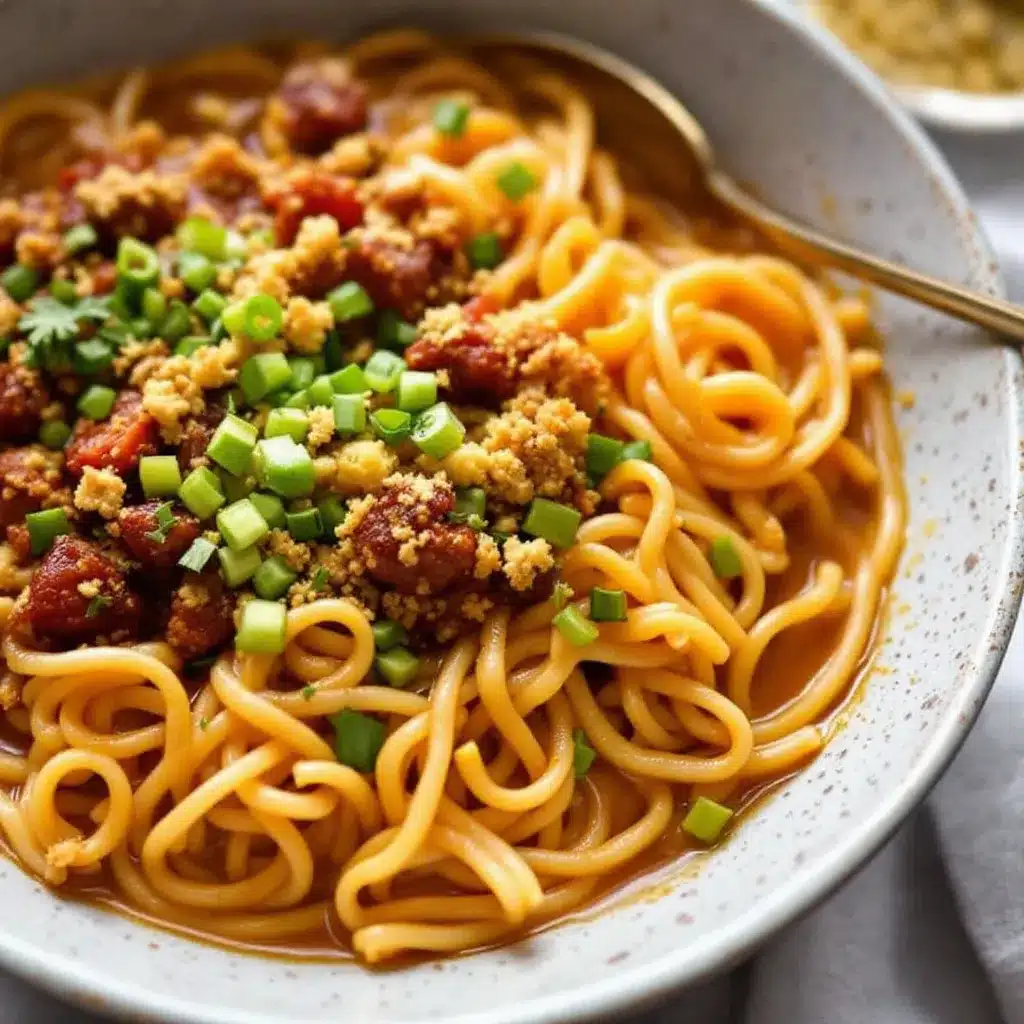
Alright, let’s get cooking. This whole process takes about 10 minutes from start to finish, so clear your counter and get ready for the best dorm meal of your life.
- Boil the water: Fill your small pot with 2 cups of water (or the amount recommended on your ramen package). Bring it to a rolling boil over high heat. This should take about 2-3 minutes depending on your stove. While you’re waiting, take the frozen veggies out of the freezer so they can start to thaw slightly.
- Add the noodles and seasoning: Once the water is boiling, add the ramen noodle block. Break it in half if you want shorter noodles that are easier to eat with a spoon. Let the noodles cook for 1 minute, then use your fork to gently separate them. If you’re using the seasoning packet, stir in half of it now. I like to save the rest for later in case I want more flavor.
- Add the frozen veggies: Toss in the 1/2 cup of frozen mixed vegetables directly into the pot. Stir everything together. The cold veggies will lower the temperature of the water slightly, so let the pot come back to a gentle boil. Cook for 2 minutes, or until the veggies are tender but still have a little bite. The peas should be bright green and the carrots should be soft.
- Create a well for the egg: Use your fork or chopsticks to push the noodles and veggies to one side of the pot, creating a small pocket of bubbling broth in the center. This is where the magic happens. Reduce the heat to medium-low so the broth is simmering gently, not boiling aggressively.
- Add the egg: Crack the egg into a small bowl first (this is important—no one wants shell pieces in their soup). Gently slide the egg into the well you created. Don’t stir it yet. Let it cook undisturbed for 1 minute. The white will start to set while the yolk stays runny. If you prefer a firmer yolk, let it cook for 2 minutes instead.
- Finish with butter and sriracha: After the egg has cooked to your liking, remove the pot from the heat. Add the 1 tablespoon of butter and let it melt into the hot broth. Stir gently to combine—try not to break the egg yolk if you want it runny. Drizzle the sriracha on top, or stir it in if you want the heat evenly distributed.
- Serve immediately: Carefully pour everything into a large bowl. The egg should be sitting on top, the yolk still wobbly if you’ve done it right. Sprinkle with any optional toppings you have—sesame seeds, green onions, a dash of soy sauce. Grab your chopsticks or a spoon and dig in while it’s hot.
One thing I learned the hard way: don’t walk away during step 5. I’ve lost count of how many times I got distracted by a text message and ended up with a hard-boiled egg. Set a timer on your phone if you need to. The difference between a runny yolk and a solid one is literally 60 seconds.
Cooking Tips & Techniques
After making this recipe probably a hundred times (no exaggeration), I’ve picked up a few tricks that make a real difference. Here’s what I’ve learned the hard way so you don’t have to.
The perfect soft-boiled egg: The key is gentle heat. If your broth is boiling too hard when you add the egg, the white will scatter into a million pieces and you’ll end up with egg-drop soup instead of a beautiful poached egg. Keep the heat at medium-low and let the egg settle before you touch it. I also recommend using the freshest eggs you can find—older eggs tend to spread out more in the liquid.
Don’t overcook the noodles: Ramen noodles continue to soften even after you take them off the heat. If you cook them until they’re perfectly soft in the pot, they’ll be mushy by the time you sit down to eat. Aim for al dente—slightly firm with a little chew. They’ll finish cooking in the hot broth as you eat.
Butter is not optional: I know it sounds weird to add butter to ramen, but please trust me on this. The butter emulsifies with the broth and creates a silky, almost creamy texture that makes the whole bowl feel luxurious. It’s the same trick chefs use to finish sauces in fancy restaurants. If you’re dairy-free, a splash of coconut milk or a drizzle of olive oil works similarly.
Toast the seasoning: Here’s a pro tip I picked up from a food blog years ago: before adding the seasoning packet to the water, toast it in a dry pan for about 30 seconds. It sounds strange, but it brings out a deeper, nuttier flavor. I do this when I’m feeling fancy and have an extra minute to spare.
Layer your flavors: Don’t just dump everything in at once. Add the seasoning packet in stages—half at the beginning, half at the end. This gives you more control over the saltiness and lets the flavors build gradually. I also like to add a tiny splash of soy sauce or fish sauce at the end for extra umami, but that’s optional.
Variations & Adaptations
One of the best things about this recipe is how endlessly customizable it is. Once you master the basic technique, you can switch it up based on what you have in your fridge or what you’re craving. Here are some of my favorite variations:
Spicy Kimchi Ramen: Add a heaping tablespoon of chopped kimchi (the jarred kind from the grocery store) along with the frozen veggies. The kimchi adds a tangy, spicy kick that transforms the whole bowl. Top with a drizzle of sesame oil and some nori strips if you have them. This is my go-to when I’m fighting off a cold.
Vegan Coconut Curry Ramen: Skip the egg and butter. Instead, stir in 2 tablespoons of canned coconut milk and 1 teaspoon of curry powder along with the seasoning packet. Add a handful of fresh spinach at the end and let it wilt. The coconut milk makes the broth rich and creamy without any dairy. It’s surprisingly filling and totally plant-based.
Cheesy Ramen Carbonara: This one sounds crazy but trust me. After you remove the pot from the heat, stir in 1/4 cup of shredded cheddar or parmesan cheese along with the butter. The residual heat melts the cheese into a creamy, almost carbonara-like sauce. Add a pinch of black pepper and some chopped parsley if you have it. It’s indulgent and absolutely delicious.
Protein-Packed Ramen: If you need more staying power, add some leftover cooked chicken, tofu, or even a handful of canned chickpeas along with the veggies. I’ve also used leftover ground beef from a previous meal—just crumble it in and let it heat through. This turns your ramen into a complete meal that’ll keep you full for hours.
Garlic Butter Ramen: Mince 2 cloves of garlic and sauté them in the butter before adding the water. This infuses the entire dish with a rich, savory garlic flavor that pairs perfectly with the egg and veggies. I do this when I’m feeling under the weather—it’s basically edible medicine.
Serving & Storage Suggestions
This ramen bowl is best enjoyed immediately, right when it’s steaming hot and the egg yolk is still runny. That said, I know life gets busy and sometimes you need to save some for later. Here’s how to handle it.
Serving: Pour the finished ramen into a deep bowl. Top with the soft-boiled egg, a drizzle of extra sriracha, and any garnishes you have on hand. Sliced green onions, sesame seeds, a sprinkle of furikake (Japanese rice seasoning), or a few drops of toasted sesame oil all work beautifully. Serve with chopsticks for the noodles and a spoon for the broth.
Storage: If you have leftovers (unlikely, but possible), let the ramen cool completely before transferring it to an airtight container. Store it in the refrigerator for up to 2 days. Keep in mind that the noodles will continue to absorb the broth and soften over time, so the texture won’t be quite the same as fresh.
Reheating: The best way to reheat ramen is on the stovetop. Add a splash of water or broth to the pot and warm it over medium heat, stirring gently, until everything is hot. If you’re in a dorm with only a microwave, reheat in 30-second bursts, stirring in between, until heated through. The egg yolk will be fully set after reheating, so don’t expect it to be runny again.
Flavor development: Honestly, the flavors actually get better after a day in the fridge. The broth becomes more concentrated and the seasonings meld together. I’ve been known to intentionally make a double batch just so I can have leftovers the next day. Just be prepared for softer noodles—it’s a trade-off I’m willing to make.
Nutritional Information & Benefits
This isn’t health food by any stretch, but it’s a lot more balanced than a plain packet of ramen. Here’s a rough estimate of what you’re getting in one serving (based on the recipe as written):
- Calories: Approximately 380-420 calories
- Protein: 14-16 grams (thanks to the egg and noodles)
- Carbohydrates: 42-48 grams
- Fat: 16-20 grams (from the egg, butter, and seasoning)
- Fiber: 3-5 grams (from the frozen vegetables)
The egg is the real hero here—it adds high-quality protein, healthy fats, and essential vitamins like B12 and D. The frozen vegetables contribute fiber, vitamin A, and antioxidants without any extra prep work. And while ramen noodles aren’t exactly a superfood, they provide quick energy that’s perfect when you need a boost.
If you’re watching your sodium intake, use only half the seasoning packet or opt for a low-sodium ramen brand. You can also add more vegetables to bulk up the volume without adding many calories. This recipe is naturally nut-free and can be made gluten-free, dairy-free, or vegan with the substitutions I mentioned earlier.
I’m not here to tell you this is a health food. It’s comfort food, plain and simple. But it’s comfort food that happens to have a little more going for it than the sad, salty soup you’d make by following the package directions. Sometimes that’s enough.
Conclusion
Look, I know ramen gets a bad rap. It’s the poster child for broke college student meals, the thing you eat when you’ve given up on cooking. But this 5-Ingredient College Dorm Ramen Upgrade Bowl proves that even the humblest ingredients can become something special with a little creativity. You don’t need a fancy kitchen, a big budget, or culinary training to eat well. You just need five ingredients, ten minutes, and the willingness to try something new.
This recipe has gotten me through late nights, tight budgets, and those days when all I wanted was a warm bowl of something that tasted like home. It’s flexible enough to adapt to whatever you have on hand, forgiving enough to survive a few mistakes, and delicious enough to make you forget you’re eating dorm food. I’ve made it for friends who swore they were sick of ramen, and every single one of them asked for the recipe afterward.
So here’s my challenge to you: make this bowl tonight. Use whatever vegetables you have, adjust the spice level to your liking, and don’t be afraid to experiment. If you come up with a variation I haven’t tried, I’d love to hear about it. Drop a comment below and let me know how it turned out—or tag me in your photos if you share them online. Happy cooking, and remember: good food doesn’t have to be complicated.
Frequently Asked Questions
Can I make this in a microwave if I don’t have a stove?
Absolutely. Cook the ramen in a microwave-safe bowl with water for 2-3 minutes, then stir in the egg, butter, and veggies. The texture will be slightly different, but it still works great. Just make sure to cover the bowl with a microwave-safe plate to prevent splattering.
What if I don’t have frozen vegetables?
No problem. Use whatever fresh vegetables you have on hand—chopped bell peppers, shredded carrots, spinach, or even leftover cooked broccoli. Just add them at the same time you would the frozen ones and cook until tender.
Can I use a different type of noodle?
Yes, but you’ll need to adjust the cooking time. Rice noodles, soba noodles, or even spaghetti work in a pinch. Just cook them according to the package directions before adding the other ingredients.
How do I prevent the egg from breaking apart?
Crack the egg into a small bowl first, then gently slide it into the simmering broth. Don’t stir the pot while the egg is cooking. Keep the heat at medium-low so the broth isn’t bubbling too aggressively.
Is this recipe suitable for meal prep?
It’s best fresh, but you can prep the components ahead of time. Cook the noodles and veggies, store them in the fridge, and reheat with a splash of water before adding the egg and butter. The egg is best cooked fresh, so save that step for when you’re ready to eat.
Pin This Recipe!
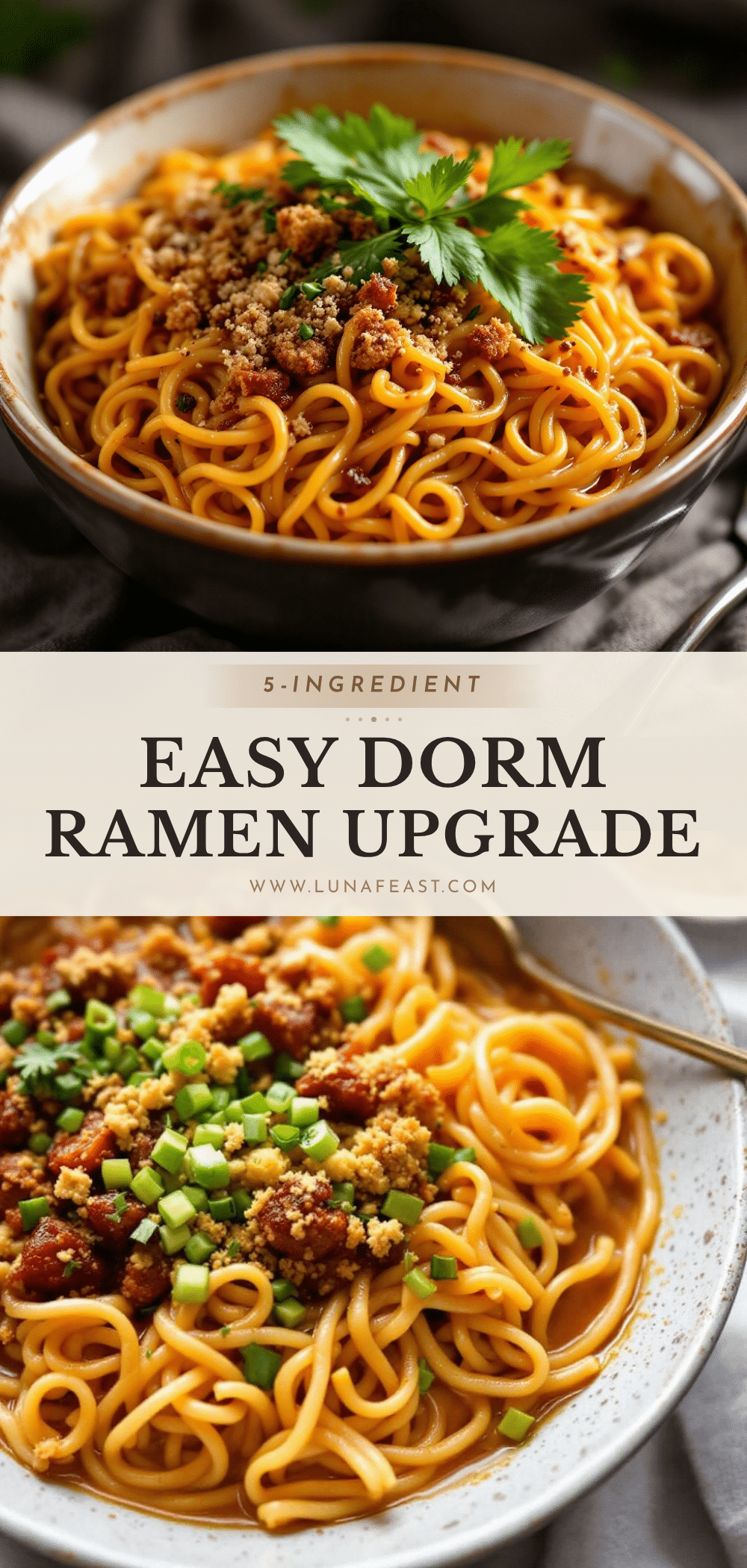
5-Ingredient College Dorm Ramen Upgrade Bowl (Easy Recipe)

Transform a humble packet of instant ramen into a creamy, flavorful bowl with just five simple ingredients. This quick and easy recipe is perfect for busy students or anyone craving a comforting, budget-friendly meal in under 10 minutes.
- Prep Time: 2 minutes
- Cook Time: 8 minutes
- Total Time: 10 minutes
- Yield: 1 serving 1x
- Category: Main Course
- Cuisine: Asian Fusion
Ingredients
- 1 package instant ramen noodles (any brand, any flavor)
- 1 large egg (room temperature if possible)
- 1/2 cup frozen mixed vegetables (peas, carrots, corn, green beans)
- 1 tablespoon unsalted butter (or margarine)
- 1 teaspoon sriracha (or hot sauce of choice)
Instructions
- Fill a small pot with 2 cups of water and bring to a rolling boil over high heat.
- Add the ramen noodle block (break in half if desired) and cook for 1 minute. Stir in half of the seasoning packet.
- Add the frozen mixed vegetables and cook for 2 minutes, until tender.
- Push noodles and veggies to one side of the pot to create a well. Reduce heat to medium-low.
- Crack the egg into a small bowl, then gently slide it into the well. Cook undisturbed for 1 minute (or 2 minutes for a firmer yolk).
- Remove pot from heat. Add butter and let it melt, then stir gently. Drizzle sriracha on top or stir in.
- Pour everything into a large bowl and serve immediately.
Notes
For a perfect soft-boiled egg, keep the heat at medium-low and don’t stir while cooking. Butter is key for a silky broth—don’t skip it. If using a microwave, cook ramen in a microwave-safe bowl with water for 2-3 minutes, then stir in egg, butter, and veggies.
Nutrition
- Serving Size: 1 bowl
- Calories: 400
- Sugar: 3
- Sodium: 800
- Fat: 18
- Saturated Fat: 8
- Carbohydrates: 45
- Fiber: 4
- Protein: 15
Keywords: ramen, college dorm, easy recipe, 5-ingredient, quick meal, budget-friendly, comfort food