“Why is the dough so stiff? Is it supposed to be like that?” My sister-in-law stared at the bowl, her hands hovering nervously over the mixture like it might bite. It was St. Patrick’s Day, 2019, and the kitchen smelled of burnt toast and regret. I had promised her a traditional loaf, something rustic and authentic, but what I had actually created was a dense brick that looked more like a hockey puck than a breakfast staple. We were standing in my old apartment, rain lashing against the windows, and the silence was louder than the clock ticking on the wall. I looked at her, then at the sad, flat disc of dough, and sighed. “Let’s just try it,” I said, though we both knew it was doomed. That failure taught me more than any cookbook ever could. It taught me that soda bread isn’t about complex fermentation or precise timing; it’s about speed, heat, and not overworking the flour. This soft Irish soda bread with golden raisins recipe is the result of that very mistake. It’s tender, slightly sweet, and actually rises. You know how some recipes feel like homework? This one doesn’t. It’s forgiving, fast, and tastes like a hug from a grandmother who actually knows what she’s doing.
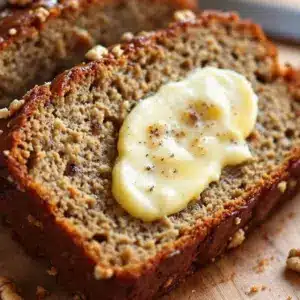
I’ve made this loaf dozens of times since that rainy afternoon. Sometimes I add a pinch of caraway seeds for that classic tang, but honestly, the golden raisins are the star. They plump up in the buttermilk and create these little bursts of sweetness that cut through the earthy flavor of the flour. It’s the kind of bread you tear into with your hands, slathered in cold butter, while watching the rain or the Super Bowl. I remember eating my first successful batch on my porch, the steam rising off the crust, feeling a genuine sense of pride. Not the kind of pride that comes from posting a photo online, but the quiet satisfaction of getting it right. There’s something comforting about the simplicity of it. No yeast to proof, no kneading to fatigue your arms. Just mix, shape, and bake. It’s accessible cooking for people who think they can’t cook. And let’s face it, we’ve all been there, staring at a recipe and wondering if we have the right tools. You don’t. You just need a bowl and a sharp knife.
This recipe isn’t just about feeding people; it’s about breaking bread together. I’ve served this at brunches, potlucks, and late-night study sessions. It always disappears first. The aroma that fills the house while it bakes is unmistakable—warm, nutty, and inviting. It brings people together in a way that fancy pastries never could. It’s humble, reliable, and deeply satisfying. I keep the recipe card tucked in my apron pocket because I make it so often. It’s my go-to when I need to comfort someone or when I just need a quiet moment in my own kitchen. The texture is key here. It should be crumbly enough to hold butter but soft enough to melt in your mouth. If you’re looking for a bread that feels homemade without the stress, this is it. It’s the kind of recipe that sticks with you, not because it’s complicated, but because it’s perfect in its simplicity.
Why You’ll Love This Recipe
There’s a reason this soft Irish soda bread with golden raisins has become a staple in my kitchen and the kitchens of my friends. It’s not just another quick bread; it’s a masterclass in simplicity. I’ve tested this recipe so many times that I can probably make it with my eyes closed. And let me tell you, that’s a skill worth having. When you’re tired after a long day, you don’t want to wrestle with yeast or wait for dough to rise for hours. This bread comes together in about ten minutes of active prep time. That’s it. You mix, you shape, you bake. It’s perfect for those chaotic weeknights when you need something warm and comforting on the table, or for lazy Sunday mornings when you want to impress guests without lifting a finger.
- Quick & Easy: This bread comes together in under 10 minutes of prep time. It’s perfect for busy weeknights or when you’re craving something fresh but don’t have hours to spare. The chemical leavening from the baking soda reacts immediately with the buttermilk, so you get that rise right in the oven.
- Simple Ingredients: You likely already have everything you need in your pantry. Flour, baking soda, salt, buttermilk, butter, and raisins. No fancy grocery trips or hard-to-find items. It’s wholesome, honest food that tastes like it came from a rustic bakery.
- Perfect for Brunch: This loaf is a showstopper at any breakfast or brunch table. Pair it with scrambled eggs, crispy bacon, or a simple fruit salad. It also pairs wonderfully with our classic creamy tomato soup for a cozy lunch.
- Crowd-Pleaser: Kids and adults alike love it. The golden raisins add a touch of sweetness that appeals to picky eaters, while the savory crust satisfies the grown-ups. It’s always a hit at potlucks and family gatherings.
- Unbelievably Delicious: The texture is next-level comfort food. The crust is crisp and golden, while the inside is tender and crumbly. The buttery richness combined with the tartness of the buttermilk creates a flavor profile that’s hard to beat.
What makes this recipe different from the rest is the technique. Most people overwork soda bread, leading to a tough, dense loaf. I’ve learned through trial and error that you must handle the dough as little as possible. I also swear by using cold, cubed butter rubbed into the flour. It creates little pockets of fat that steam during baking, giving the bread a flaky, tender crumb that you just don’t get with standard mixing methods. It’s a small step, but it makes a huge difference. This isn’t just another version of soda bread; it’s my best version. It’s the kind of bread that makes you close your eyes after the first bite. It’s comfort food reimagined—healthier, faster, but with the same soul-soothing satisfaction. Whether you’re serving it to impress guests or just enjoying it with a cup of tea, this recipe delivers every single time.
What Ingredients You Will Need
This recipe uses simple, wholesome ingredients to deliver bold flavor and satisfying texture without the fuss. The beauty of soda bread lies in its minimalism. You don’t need a dozen items to make something extraordinary. Here is what you’ll need to create the perfect loaf.
- All-Purpose Flour: Two and a half cups. This is your base. Don’t use cake flour; you need the protein content in all-purpose flour to give the bread structure. I recommend King Arthur for its consistent quality.
- Baking Soda: One teaspoon. This is the leavening agent. It reacts with the acidic buttermilk to create carbon dioxide bubbles, which make the bread rise. Make sure it’s fresh; old baking soda won’t work well.
- Salt: One teaspoon. Essential for flavor. It balances the sweetness of the raisins and enhances the wheaty taste of the flour.
- Golden Raisins: One cup. I prefer golden raisins over dark ones because they are sweeter and plumper. They add wonderful bursts of flavor. If you can’t find them, currants work too, but golden raisins are best.
- Buttermilk: One and a half cups. This is crucial. The acidity activates the baking soda. If you don’t have buttermilk, you can make a substitute by adding one tablespoon of vinegar or lemon juice to one cup of milk and letting it sit for five minutes.
- Unsalted Butter: Two tablespoons, cold and cubed. Rubbing this into the flour adds richness and helps create a tender texture. Cold butter is key here; if it melts too early, you lose the flaky layers.
- Egg Yolk: One large egg yolk, beaten with a tablespoon of water. This is used as an egg wash to give the crust a beautiful golden color and a slight sheen.
These ingredients are pantry staples, making this recipe accessible to everyone. The golden raisins are the only item you might need to pick up, but they are worth it. For the flour, I always stick to reliable brands because the protein content can vary. The buttermilk should be cold and thick. If it’s too thin, your bread might be too dense. The butter must be cold; this is a common mistake people make. If you’re using salted butter, reduce the added salt by half. These small details matter. They are the difference between a good loaf and a great one. Keep it simple, keep it fresh, and you’ll be rewarded with a beautiful loaf every time.
Equipment Needed
You don’t need a lot of fancy gear to make this bread. A standard kitchen setup is all you need. Here’s what I use:
- Large Mixing Bowl: A ceramic or glass bowl is best. It helps keep the dough cool and gives you enough space to mix without spilling.
- Pastry Blender or Fork: To rub the butter into the flour. A pastry blender makes this faster, but a fork works perfectly fine if you’re in a pinch.
- Baking Sheet: A standard half-sheet pan. Line it with parchment paper for easy cleanup. I prefer parchment because it prevents sticking and helps the bottom crisp up.
- Serrated Knife: To score the top of the loaf. A sharp knife gives you a clean cut, which helps the bread expand evenly in the oven.
- Brush: A silicone or pastry brush for the egg wash. It helps you apply it evenly without disturbing the dough.
If you don’t have a pastry blender, no worries. You can use your fingers, but be quick so the butter doesn’t warm up. A large spoon also works for mixing. The key is to keep the tools clean and the dough cool. I’ve tried using a food processor, but it’s overkill for this recipe and can easily overwork the dough. Stick to simple tools. They give you more control and help you stay connected to the process. Plus, less cleanup means you can get to eating sooner.
Preparation Method
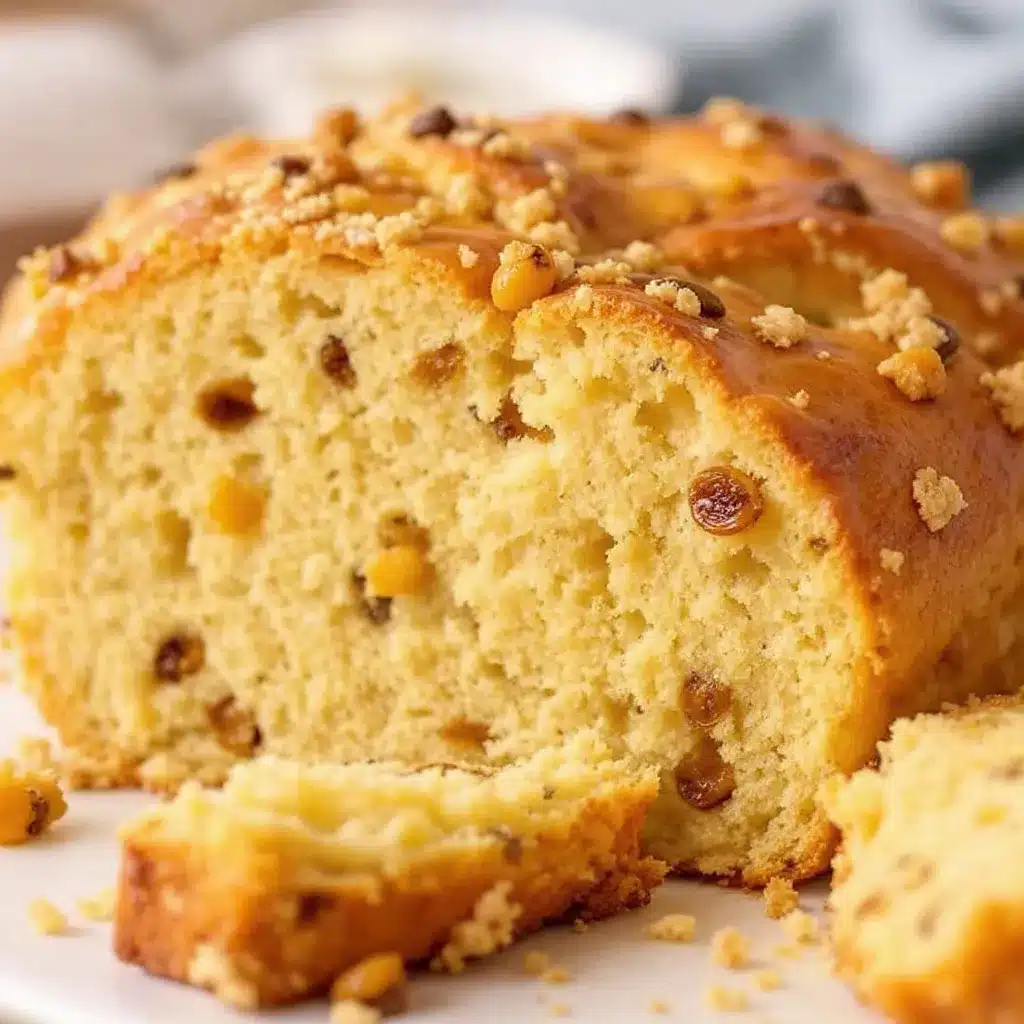
Making this soft Irish soda bread with golden raisins is straightforward, but timing is everything. Here’s how to do it right.
- Preheat and Prep: Preheat your oven to 425°F (220°C). Line your baking sheet with parchment paper. This step is crucial because soda bread bakes quickly, and you want to avoid any sticking.
- Mix Dry Ingredients: In your large bowl, whisk together the flour, baking soda, and salt. Make sure the baking soda is evenly distributed. If you don’t mix it well, you’ll get bitter spots in the bread.
- Add Raisins: Stir in the golden raisins. I like to coat them lightly in the flour mixture first. This prevents them from sinking to the bottom during baking. It’s a little trick that makes a big difference.
- Rub in Butter: Add the cold, cubed butter. Use a pastry blender or your fingers to rub the butter into the flour until the mixture resembles coarse crumbs. You want small, pea-sized pieces of butter. This takes about two minutes. Don’t rush this step.
- Add Buttermilk: Make a well in the center and pour in the buttermilk. Mix gently with a wooden spoon or your hands until the dough just comes together. It will look shaggy and messy. That’s okay. Do not overmix. Overmixing develops gluten, which makes the bread tough. Stop as soon as there are no dry patches.
- Shape the Dough: Turn the dough out onto a lightly floured surface. Gently press it into a round shape about 1.5 inches thick. Handle it as little as possible. You want to keep the air bubbles intact. If the dough is sticky, dust your hands with a little flour, but try to avoid adding too much.
- Score the Top: Place the loaf on the prepared baking sheet. Use a sharp serrated knife to cut a deep cross into the top. This is traditional and helps the bread expand evenly. Cut all the way through to the bottom. This also helps the heat penetrate the center.
- Egg Wash: Brush the top with the beaten egg yolk mixture. This gives it that beautiful golden color. Be gentle so you don’t deflate the dough.
- Bake: Place in the oven and bake for 25-30 minutes. The bread is done when it’s golden brown and sounds hollow when tapped on the bottom. If it sounds dull, it needs more time.
- Cool: Let the bread cool on a wire rack for at least 15 minutes before slicing. This allows the crumb to set. Slicing it hot will make it gummy.
The whole process takes about 40 minutes from start to finish. The key is to move quickly but carefully. Keep an eye on the oven, as temperatures can vary. If the top is browning too fast, cover it loosely with foil after 15 minutes. Trust your senses. The smell of baking bread is the best indicator that it’s nearly done.
Cooking Tips & Techniques
Here are some pro tips to ensure your soda bread turns out perfect every time.
- Keep Everything Cold: The butter must be cold. If it melts before baking, you lose the flaky texture. I even chill my bowl and flour for 15 minutes before starting. It sounds extreme, but it works.
- Don’t Overmix: This is the most common mistake. Mix until just combined. The dough should look shaggy. If you knead it like yeast bread, it will be tough. Soda bread relies on chemical leavening, not gluten development.
- Use Fresh Baking Soda: Check the expiration date. Old baking soda won’t react properly with the buttermilk, and your bread won’t rise. If you’re unsure, test it by adding a drop of vinegar to a teaspoon of baking soda. It should fizz vigorously.
- Score Deeply: Make sure your cross goes all the way through. This isn’t just for tradition; it helps the bread expand evenly. If the cut is too shallow, the bread might crack unevenly.
- Test for Doneness: The internal temperature should reach 200°F (93°C). If you don’t have a thermometer, tap the bottom. It should sound hollow. If it sounds dense, bake for another 5 minutes.
I once made this bread with warm butter, and it was dense and flat. It was a disaster. Since then, I’ve been meticulous about temperature. Also, don’t be afraid to use your hands to mix. It’s faster and helps you feel when the dough is ready. Just keep your hands cool. If they get warm, rinse them in cold water. These small adjustments make a huge difference in the final texture.
Variations & Adaptations
This recipe is versatile. Here are some ways to customize it.
- Caraway Seeds: Add one teaspoon of caraway seeds for a classic Irish flavor. It adds a nice crunch and aroma.
- Orange Zest: Add the zest of one orange to the dry ingredients. It pairs beautifully with the raisins and adds a bright, citrusy note.
- Gluten-Free: Use a 1:1 gluten-free flour blend. Make sure it contains xanthan gum, or add half a teaspoon. The texture will be slightly more crumbly, but still delicious.
- Dairy-Free: Use dairy-free buttermilk (oat milk with vinegar) and vegan butter. The result is surprisingly similar to the original.
- Cheddar Cheese: Swap the raisins for shredded cheddar cheese. It makes a savory version that’s great with soup.
I’ve tried adding chopped walnuts, which adds a nice crunch. I also like to sprinkle coarse sugar on top before baking for a sweet crunch. Feel free to experiment. The base recipe is forgiving, so don’t be afraid to try new flavors. Just keep the liquid-to-dry ratio similar to avoid messing up the texture.
Serving & Storage Suggestions
This bread is best served warm, slathered with plenty of butter. It pairs well with easy one-pot cheeseburger potato soup for a hearty meal. It’s also great with tea or coffee.
Store leftovers in an airtight container at room temperature for up to two days. For longer storage, wrap it tightly in plastic wrap and freeze for up to three months. To reheat, warm it in the oven at 350°F for 10 minutes. This restores the crisp crust. The flavors develop over time, so it’s actually better the next day. The raisins get softer and sweeter, and the bread becomes more tender. It’s perfect for toast the next morning. Just slice it and toast it with a bit of butter. It’s like a new bread entirely.
Nutritional Information & Benefits
This bread is a good source of carbohydrates and energy. The buttermilk adds probiotics, which are good for gut health. The raisins provide fiber and antioxidants. However, it is calorie-dense due to the butter and flour. A typical slice contains about 250 calories. It’s not a diet food, but it’s a wholesome treat. Enjoy it in moderation. The natural ingredients make it a better choice than processed breads. It’s free from preservatives and artificial additives. You know exactly what’s in it. That’s a benefit in itself. It’s a simple, honest food that nourishes without complicating your life.
Conclusion
This soft Irish soda bread with golden raisins is more than just a recipe; it’s a tradition. It’s simple, delicious, and incredibly satisfying to make. I hope you try it and find it as comforting as I do. Feel free to customize it with your favorite additions. Whether you add caraway seeds or orange zest, make it your own. I’d love to hear how it turns out. Leave a comment below with your variations or questions. Share your photos on social media and tag me. I love seeing your creations. Thank you for cooking with me. Happy baking!
Frequently Asked Questions
Can I use self-rising flour instead of all-purpose flour and baking soda?
Yes, you can. If you use self-rising flour, omit the baking soda and salt in the recipe. However, the texture might be slightly different. All-purpose flour gives a more traditional, rustic crumb. Self-rising flour can make the bread a bit softer. It’s a good option if you’re in a hurry, but I prefer all-purpose for the authentic taste.
Why is my soda bread dense and heavy?
This usually happens if you overmix the dough. Soda bread doesn’t need gluten development, so mixing it too much makes it tough. Also, check your baking soda. If it’s old, it won’t react with the buttermilk, and the bread won’t rise. Make sure to handle the dough gently and use fresh ingredients.
Can I freeze this bread?
Absolutely. Wrap the cooled loaf tightly in plastic wrap and then in aluminum foil. It will keep in the freezer for up to three months. Thaw it at room temperature or warm it in the oven. It freezes very well and retains its moisture.
What can I serve with Irish soda bread?
It pairs beautifully with soups, stews, and salads. I love it with a creamy tomato soup or a hearty chili. It’s also great with butter, jam, or cheese. For a savory twist, serve it with a simple green salad and some cured meats. It’s versatile and goes with almost anything.
Can I make this bread vegan?
Yes. Use dairy-free buttermilk (oat milk with vinegar) and vegan butter. The rest of the ingredients are already vegan. The result is surprisingly similar to the original. Just make sure your vegan butter is cold and solid, just like dairy butter.
Pin This Recipe!
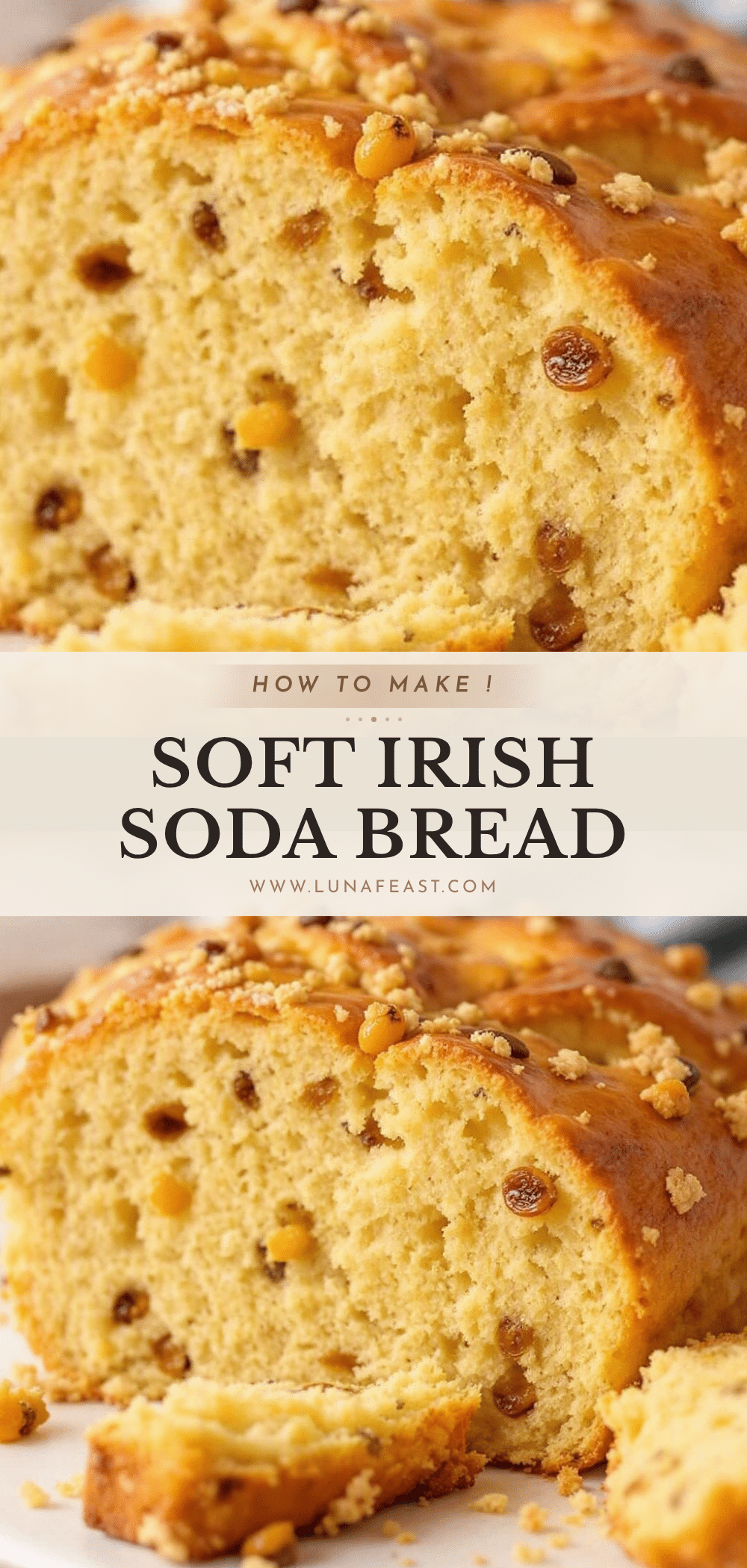
Soft Irish Soda Bread with Golden Raisins
A tender, slightly sweet Irish soda bread made with golden raisins and buttermilk. This easy, no-knead recipe comes together in under 10 minutes and bakes to a golden, flaky perfection.
- Prep Time: 10 minutes
- Cook Time: 30 minutes
- Total Time: 40 minutes
- Yield: 1 loaf (serves 8) 1x
- Category: Breakfast
- Cuisine: Irish
Ingredients
- 2 1/2 cups all-purpose flour
- 1 teaspoon baking soda
- 1 teaspoon salt
- 1 cup golden raisins
- 1 1/2 cups buttermilk
- 2 tablespoons unsalted butter, cold and cubed
- 1 large egg yolk beaten with 1 tablespoon water (for egg wash)
Instructions
- Preheat oven to 425°F (220°C) and line a baking sheet with parchment paper.
- In a large bowl, whisk together the flour, baking soda, and salt.
- Stir in the golden raisins, optionally coating them lightly in the flour mixture to prevent sinking.
- Add the cold, cubed butter and rub it into the flour using a pastry blender or fingers until the mixture resembles coarse crumbs with pea-sized butter pieces.
- Make a well in the center and pour in the buttermilk. Mix gently with a wooden spoon or hands until the dough just comes together; do not overmix.
- Turn the dough out onto a lightly floured surface and gently press it into a round shape about 1.5 inches thick.
- Place the loaf on the prepared baking sheet and score a deep cross into the top with a sharp serrated knife, cutting all the way through.
- Brush the top with the beaten egg yolk mixture.
- Bake for 25-30 minutes until golden brown and the bottom sounds hollow when tapped.
- Let the bread cool on a wire rack for at least 15 minutes before slicing.
Notes
Keep all ingredients, especially the butter, cold to ensure a flaky texture. Do not overmix the dough, as this develops gluten and makes the bread tough. If the top browns too quickly, cover loosely with foil after 15 minutes. For best results, use fresh baking soda.
Nutrition
- Serving Size: 1 slice
- Calories: 250
- Sugar: 12
- Sodium: 450
- Fat: 8
- Saturated Fat: 4
- Carbohydrates: 42
- Fiber: 2
- Protein: 5
Keywords: Irish soda bread, golden raisins, quick bread, no yeast, buttermilk bread, St. Patrick's Day, easy baking, homemade bread