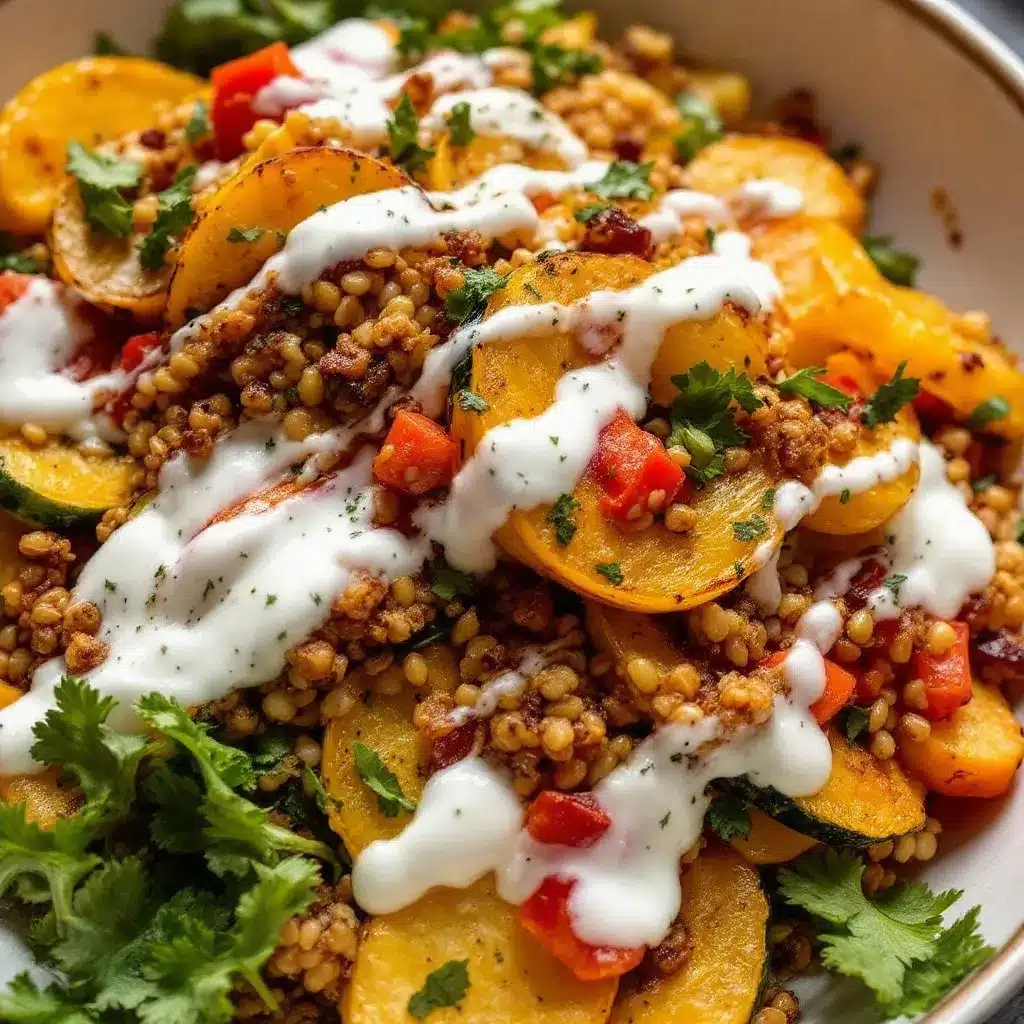
I want roasted delicata squash right now, and I have everything except the patience to peel it. That is the thing about delicata — you do not have to peel it. The skin is thin, tender, and completely edible, which honestly feels like the universe finally throwing us a win. I remember staring at a pile of squash at the farmers market a few autumns ago, overwhelmed by choices, when the farmer said, “That one you can eat the skin.” Sold. I grabbed three on the spot and walked home already planning the maple glaze in my head.
This recipe started as a weeknight experiment and turned into the side dish I make on repeat through the entire fall. There is something about the way the maple syrup caramelizes on the edges of the squash, creating these little crispy bits that taste almost like candy. The first time I made it, I ate half the pan standing at the counter before dinner even started. No regrets. It is the kind of dish that makes you wonder why you do not roast squash every single day.
So here it is — my perfect maple glazed roasted delicata squash. It is simple, it is forgiving, and it will make your kitchen smell like the coziest autumn afternoon. Let me show you how it is done.
Why You Will Love This Recipe
I have tested this recipe about seven times to get the glaze-to-squash ratio exactly right. Not too sweet, not too sticky — just enough maple flavor to complement the natural earthiness of the squash. Here is why this one sticks.
- Quick & Easy : Comes together in under 35 minutes, with only 5 minutes of active prep. Perfect for busy weeknights when you want something that feels special without the effort.
- Simple Ingredients : You need delicata squash, maple syrup, olive oil, salt, pepper, and maybe some cinnamon if you are feeling fancy. That is it. No weird specialty items.
- Perfect for Fall Gatherings : This side dish disappears fast at Thanksgiving, Friendsgiving, or any cozy dinner. It looks impressive but takes almost no work.
- Crowd-Pleaser : I have served this to picky eaters, vegetable skeptics, and full-on squash haters. Every single person went back for seconds. The caramelized edges win everyone over.
- Unbelievably Delicious : The texture is what gets you — tender on the inside, slightly chewy and caramelized on the edges. The maple glaze creates this glossy finish that looks like it came from a fancy restaurant.
What makes this recipe different from all the other roasted squash recipes out there? It is the timing. Most recipes tell you to toss everything together and roast, but I found that brushing the glaze on halfway through gives you a much better caramelization. The squash gets tender first, then the glaze bakes into the edges without burning. It is a small tweak that makes a huge difference.
This is the kind of side dish that makes you close your eyes after the first bite. It is comfort food at its simplest — warm, sweet, savory, and deeply satisfying. Perfect for impressing guests without stress, or turning a simple weeknight dinner into something memorable.
What Ingredients You Will Need
This recipe uses simple, wholesome ingredients to deliver bold flavor and satisfying texture without the fuss. Most of these are pantry staples, especially if you cook during the fall season.
- Delicata squash (2 medium, about 1.5 pounds total) — Look for squash that feels heavy for its size with firm, unblemished skin. The yellow and green stripes should be vibrant. I prefer organic when available because you are eating the skin.
- Pure maple syrup (3 tablespoons) — Use real maple syrup, not pancake syrup. Grade A dark amber works beautifully here because it has a stronger maple flavor that holds up during roasting. I recommend Maple Grove Farms or Copper Branch for consistent quality.
- Extra virgin olive oil (2 tablespoons) — You want a good quality olive oil here since it carries the flavors. Avoid anything too bitter or grassy. A standard mild olive oil works perfectly.
- Kosher salt (½ teaspoon) — I use Diamond Crystal kosher salt. If you use table salt, reduce to ¼ teaspoon. Salt is crucial here — it balances the sweetness of the maple and brings out the squash natural flavor.
- Freshly ground black pepper (¼ teaspoon) — Do not skip this. The pepper adds a subtle warmth that contrasts beautifully with the sweet glaze.
- Cinnamon (½ teaspoon, optional but recommended) — Adds warmth and depth. I use Penzey’s Vietnamese Cinnamon for its intense flavor, but any cinnamon works.
- Fresh thyme sprigs (4-5 sprigs, optional) — Adds an herbaceous note that cuts through the sweetness. I love this combination, but skip it if you do not have fresh thyme on hand.
- Flaky sea salt (for finishing, optional) — A sprinkle of Maldon sea salt right before serving takes this over the top. The crunchy salt crystals contrast with the tender squash beautifully.
Ingredient selection tip : When choosing delicata squash, look for ones that are evenly shaped so they roast uniformly. Avoid squash with soft spots or wrinkled skin. If you cannot find delicata, you can substitute acorn squash, but you will need to peel it first since the skin is not edible.
Substitution guidance : For a less sweet version, reduce maple syrup to 2 tablespoons and add an extra tablespoon of olive oil. For a vegan option, this recipe is already vegan as written. If you do not have fresh thyme, dried thyme works — use ½ teaspoon and rub it between your palms before adding to release the oils.
Equipment Needed
You do not need much for this recipe, which is part of why I love it. Here is what you will need:
- Baking sheet (half-sheet pan, 18×13 inches) — A rimmed baking sheet prevents the maple glaze from dripping onto your oven floor. I use Nordic Ware aluminum half-sheet pans because they conduct heat evenly and last forever.
- Parchment paper or silicone baking mat — Lining the pan makes cleanup effortless. The caramelized maple can stick to unlined pans, and scrubbing that off is no fun.
- Chef knife (8-inch) — A sharp knife makes cutting through squash much easier. Dull knives slip, and squash is dense enough to be dangerous.
- Cutting board — Use a sturdy board that will not slide around. I recommend placing a damp paper towel underneath to keep it steady.
- Mixing bowl (medium) — For tossing the squash with oil and seasonings.
- Pastry brush — For brushing the maple glaze onto the squash halfway through roasting. A silicone brush works best and is easy to clean.
- Measuring spoons — For accurate measurements, especially with the maple syrup.
Budget-friendly tip : If you do not have a pastry brush, you can use a spoon to drizzle the glaze over the squash. It will not be as even, but it still works. Also, skip the silicone baking mat if you have parchment paper — both work fine.
Preparation Method
Let me walk you through this step by step. I have made this recipe enough times to know exactly where things can go wrong, and I will point those spots out as we go.
Step 1: Preheat and Prep (5 minutes)
Preheat your oven to 400°F (200°C). Line your baking sheet with parchment paper or a silicone baking mat. While the oven heats, wash your delicata squash thoroughly under running water. The skin is edible, so you want it clean. Pat dry with a clean kitchen towel.
Step 2: Cut the Squash (5 minutes)
Place one squash on your cutting board. Using a sharp chef knife, trim off both ends — about ¼ inch from each side. Discard the ends. Now cut the squash in half lengthwise, from top to bottom. You will see the seeds in the center cavity. Using a spoon, scoop out the seeds and stringy pulp. Discard them or save them for roasting later (they make a great snack).
Place each half cut-side down on the cutting board and slice into half-moon shapes about ½ inch thick. Try to keep the slices uniform in thickness so they roast evenly. Repeat with the second squash. You should end up with about 30-40 pieces depending on the size of your squash.
Warning : Delicata squash is dense. Take your time cutting and keep your fingers curled under. If the squash rolls on the board, cut a thin slice off the bottom to create a flat surface.
Step 3: Season the Squash (3 minutes)
In your medium mixing bowl, combine the squash slices with 1 tablespoon of olive oil, ½ teaspoon kosher salt, ¼ teaspoon black pepper, and ½ teaspoon cinnamon (if using). Toss gently with your hands until every piece is coated. The oil helps the seasoning stick and promotes even browning.
Sensory cue : The squash should look glossy but not dripping with oil. If it looks dry, add another teaspoon of oil. If it looks greasy, you used too much — next time reduce slightly.
Step 4: First Roast (15 minutes)
Arrange the squash pieces in a single layer on your prepared baking sheet. Do not overcrowd — the pieces need space to caramelize rather than steam. If they overlap, use a second baking sheet. Roast for 15 minutes at 400°F (200°C).
What to look for : After 15 minutes, the squash should be starting to brown on the edges and feel tender when pierced with a fork. The bottoms should be golden brown. If the squash still feels firm, give it another 5 minutes before proceeding.
Step 5: Make and Apply the Glaze (3 minutes)
While the squash roasts, make your maple glaze. In a small bowl, whisk together 3 tablespoons maple syrup and 1 tablespoon olive oil. This creates a glossy, brushable glaze that will caramelize beautifully.
Remove the baking sheet from the oven. Using your pastry brush, brush the maple glaze generously over each piece of squash. Flip each piece over and brush the other side too. Do not skip the flipping — it ensures both sides get that beautiful caramelized finish.
Personal tip : I used to just drizzle the glaze over the top, but brushing gives you much more control and even coverage. The first time I brushed instead of drizzled, the difference was dramatic — every single piece had that perfect glossy sheen.
Step 6: Second Roast (10-12 minutes)
Return the baking sheet to the oven and roast for another 10-12 minutes. The glaze will bubble and caramelize around the edges of the squash. Keep an eye on it during the last few minutes — maple syrup can go from perfectly caramelized to burnt very quickly.
Sensory cues : The squash should be deeply golden with dark caramelized edges. The kitchen will smell like maple and warm spices. When you poke a piece with a fork, it should slide in easily with no resistance. The edges should look slightly crispy and glossy.
Step 7: Finish and Serve (2 minutes)
Remove the baking sheet from the oven. If using fresh thyme, scatter the sprigs over the hot squash — the heat will release their oils. Sprinkle with flaky sea salt if desired. Let the squash rest on the pan for 2-3 minutes before transferring to a serving platter. This resting time allows the caramelized glaze to set slightly.
Cooking Tips & Techniques
I have made this recipe enough times to learn a few things the hard way. Here is what I wish someone had told me from the start.
Do not skip the parchment paper. The first time I made this, I roasted the squash directly on an unlined pan. The maple syrup caramelized onto the metal so badly that I spent twenty minutes scrubbing. Parchment paper saves you that headache and makes cleanup effortless.
Watch the oven temperature. Every oven runs slightly different. If your oven runs hot, reduce the temperature to 375°F (190°C) and increase the roasting time by 5 minutes. If it runs cool, keep it at 400°F but check earlier. I learned this after burning a batch when I first moved into a new apartment with a temperamental oven.
Cut uniform pieces. This is the most important technical tip. If some pieces are ¼ inch thick and others are ¾ inch thick, they will not finish cooking at the same time. The thin pieces will burn while the thick pieces are still raw. Take the extra minute to cut evenly — it makes a huge difference.
Multitasking strategy. While the squash roasts during the first 15 minutes, use that time to clean your cutting board and knife, make the glaze, and set the table. This way, when the timer goes off, you are ready to brush and flip without scrambling.
Do not overcrowd the pan. I know it is tempting to cram everything onto one sheet to save dishes, but overcrowding creates steam instead of caramelization. The squash pieces need space between them for the hot air to circulate and create those crispy edges. Use two pans if needed, or roast in batches.
Variations & Adaptations
This recipe is incredibly versatile. Here are some ways I have adapted it over the years.
Savory Herb Version
Skip the cinnamon and add 1 teaspoon dried rosemary and ½ teaspoon garlic powder to the initial seasoning. Use the same maple glaze but add 1 teaspoon fresh thyme leaves to the glaze mixture. This version pairs beautifully with roasted chicken or pork.
Spicy Maple Version
Add ¼ teaspoon cayenne pepper and ½ teaspoon smoked paprika to the seasoning mix. The heat balances the sweetness of the maple perfectly. I made this version for a Friendsgiving potluck and it was the first dish to disappear. It also works great as a topping for salads with arugula and goat cheese.
Balsamic Maple Version
Replace 1 tablespoon of the maple syrup with 1 tablespoon balsamic vinegar. The acidity cuts through the sweetness and adds a tangy depth. This version is my go-to for holiday dinners because it feels a little more sophisticated.
Air Fryer Adaptation
If you want a quicker version, you can make this in an air fryer. Toss the squash with oil and seasonings, then air fry at 375°F (190°C) for 10 minutes. Shake the basket, brush with glaze, and air fry for another 5-7 minutes. The texture comes out even crispier than oven-roasted.
Dietary Adaptations
This recipe is naturally vegan and gluten-free. For a lower-sugar version, use only 2 tablespoons maple syrup and add a pinch of stevia or monk fruit sweetener. The squash itself is naturally sweet, so the glaze is more of a complement than a necessity.
Serving & Storage Suggestions
This squash is best served warm, right after roasting, when the edges are still crispy and the glaze is glossy. But it is also delicious at room temperature, which makes it perfect for potlucks and holiday buffets.
Serving temperature : Serve warm or at room temperature. If serving at a holiday dinner, you can roast it ahead of time and reheat it in a 350°F (175°C) oven for 5-7 minutes just before serving. The edges will crisp back up nicely.
Presentation ideas : Arrange the squash slices in a fan pattern on a white platter for maximum visual impact. Sprinkle with fresh pomegranate seeds and chopped parsley for a festive look. The green and red pop beautifully against the golden orange squash.
Complementary dishes : This squash pairs beautifully with roasted chicken, pork tenderloin, or Thanksgiving turkey. For a vegetarian meal, serve it alongside creamy tomato basil soup or a hearty grain bowl with quinoa and roasted chickpeas. It also works as a topping for salads with arugula, goat cheese, and candied pecans.
Storage instructions : Store leftover squash in an airtight container in the refrigerator for up to 4 days. The texture will soften over time, but the flavor remains delicious. I often make a double batch on purpose so I have leftovers for lunch.
Reheating methods : Reheat in a 350°F (175°C) oven for 5-7 minutes to restore some crispness. You can also reheat in an air fryer at 350°F for 3-4 minutes. Avoid microwaving — it makes the squash soggy and the glaze turns sticky instead of caramelized.
Freezing instructions : Freeze roasted squash in a single layer on a baking sheet, then transfer to a freezer bag. It will keep for up to 3 months. Reheat directly from frozen in a 375°F (190°C) oven for 10-12 minutes. The texture will be slightly softer than fresh, but the flavor holds up well.
Flavor development note : The flavors actually deepen and meld together after a day in the refrigerator. The maple soaks into the squash more, and the spices become more pronounced. If you can, make this a day ahead for maximum flavor.
Nutritional Information & Benefits
Delicata squash is a nutritional powerhouse disguised as a humble winter vegetable. Here is what you are getting in each serving.
Estimated nutrition per serving (about ⅓ of the recipe):
- Calories: 145
- Total Fat: 7g
- Saturated Fat: 1g
- Carbohydrates: 22g
- Fiber: 3g
- Sugar: 12g (naturally occurring plus maple syrup)
- Protein: 2g
- Vitamin A: 120% of daily value
- Vitamin C: 25% of daily value
- Potassium: 450mg
Health benefits : Delicata squash is rich in beta-carotene, which your body converts to vitamin A for healthy vision and immune function. It also contains significant amounts of vitamin C, potassium, and fiber. The maple syrup adds natural sweetness without refined sugar, and olive oil provides healthy monounsaturated fats.
Dietary considerations : This recipe is naturally vegan, gluten-free, dairy-free, and nut-free. It contains no common allergens. For a lower-sugar option, reduce the maple syrup to 2 tablespoons.
Personal wellness perspective : I love that this recipe feels indulgent without actually being unhealthy. The sweetness comes from real maple syrup and the natural sugars in the squash, not processed ingredients. It is the kind of side dish that makes you feel good about eating your vegetables.
Conclusion
This maple glazed roasted delicata squash has become my go-to fall side dish for a reason. It is simple enough for a Tuesday night, but beautiful enough for Thanksgiving dinner. The combination of tender squash, caramelized edges, and sweet maple glaze is honestly irresistible — I have yet to meet someone who does not love it.
I hope you try this recipe and make it your own. Add extra cinnamon if you like things warm and cozy. Throw in some red pepper flakes if you want a kick. Serve it alongside your favorite protein or pile it on top of a salad. This squash is forgiving and adaptable, just like the best recipes always are.
If you love cozy fall recipes, you might also enjoy my brown butter pumpkin bundt cake with maple glaze for dessert, or my creamy crockpot cheeseburger potato soup for a comforting weeknight dinner. Both pair beautifully with this squash.
I would love to hear how yours turns out. Did you try a variation? Serve it with something unexpected? Drop a comment below and let me know — your feedback helps other readers discover new ways to enjoy this recipe. And if you snap a photo, tag me so I can see your beautiful creation.
Happy cooking, friends. Here is to warm kitchens, good food, and the simple joy of a perfectly roasted squash.
Frequently Asked Questions
Can I use other types of squash for this recipe?
Yes, but with adjustments. Acorn squash works well but needs to be peeled first since the skin is tough. Butternut squash also works — peel it, remove the seeds, and cut into ½-inch cubes. Increase roasting time by 5-10 minutes for denser squash like butternut. Kabocha squash is another good option with edible skin, similar to delicata.
How do I prevent the maple glaze from burning?
The key is adding the glaze halfway through roasting, not at the beginning. Maple syrup burns at high temperatures because of its sugar content. By roasting the squash first, you give it a head start on cooking, then the glaze only bakes for 10-12 minutes — long enough to caramelize but not long enough to burn. Also, keep an eye on it during the last few minutes of roasting.
Can I make this recipe ahead of time?
Absolutely. You can roast the squash up to 2 days ahead and store it in the refrigerator. Reheat in a 350°F (175°C) oven for 5-7 minutes to restore the caramelized edges. The flavors actually deepen overnight as the maple and spices soak into the squash. I often make a double batch on Sunday for easy side dishes throughout the week.
Is delicata squash healthy?
Yes, very. Delicata squash is low in calories but packed with nutrients. It is an excellent source of vitamin A (from beta-carotene), vitamin C, potassium, and fiber. The skin contains additional fiber and nutrients. The maple syrup adds some sugar, but the amount per serving is modest — about 2 teaspoons per serving. Overall, this is a nutrient-dense side dish that supports immune health and digestion.
What main dishes pair well with this squash?
This squash pairs beautifully with roasted chicken, pork tenderloin, turkey, or salmon. For vegetarian meals, serve it alongside hearty grain bowls, lentil soup, or roasted chickpeas. It also works as a topping for salads with arugula, goat cheese, and candied nuts. For a complete fall meal, try it with my creamy grilled peach and burrata salad for a stunning seasonal spread.
Pin This Recipe!
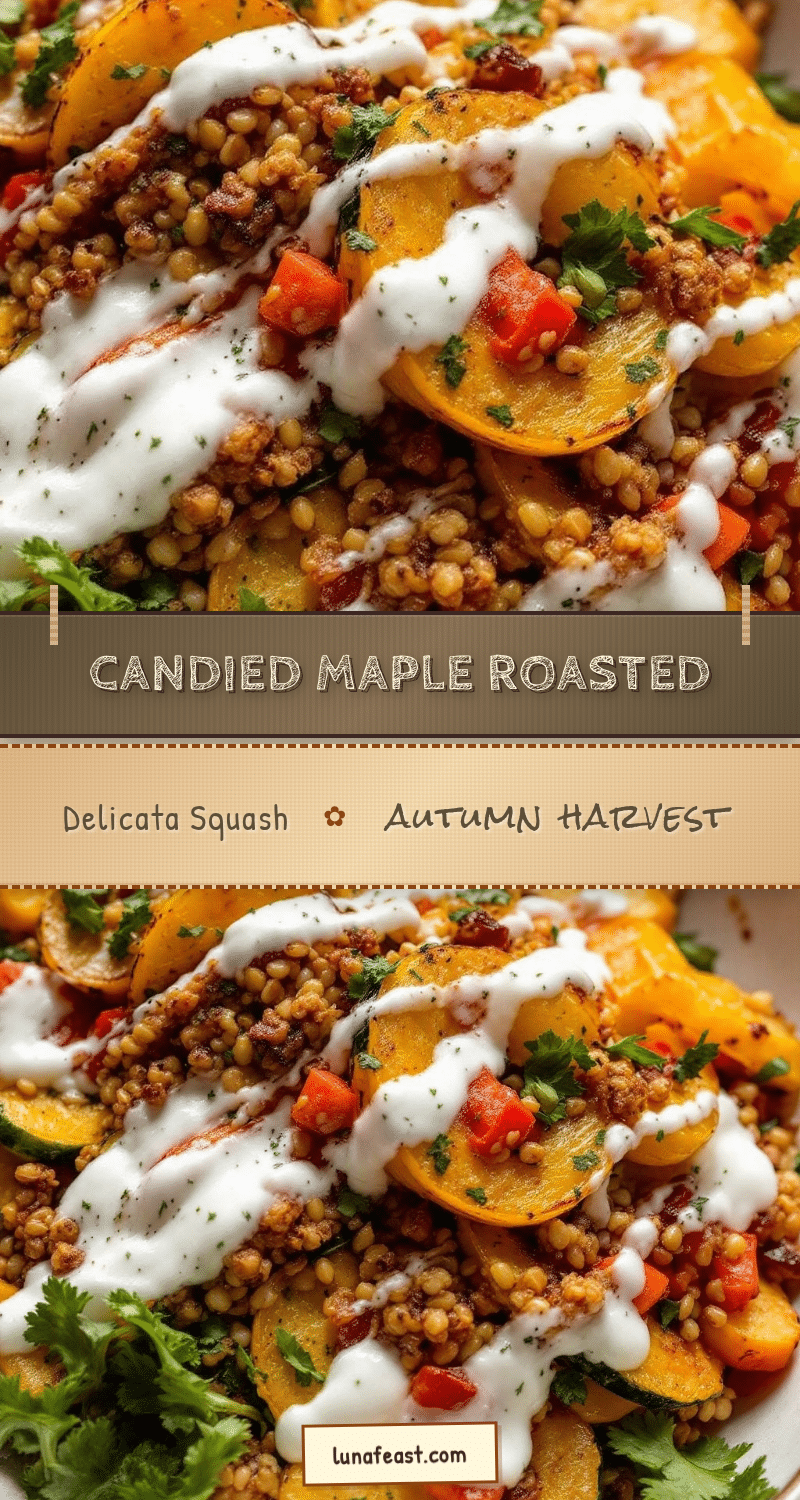
Perfect Maple Glazed Roasted Delicata Squash: Easy Side Dish

This maple glazed roasted delicata squash is a simple, forgiving side dish that comes together in under 35 minutes. The maple syrup caramelizes on the edges of the tender squash, creating crispy, candy-like bits that make it an irresistible fall favorite.
- Prep Time: 5 minutes
- Cook Time: 25-27 minutes
- Total Time: 30-32 minutes
- Yield: 4 servings 1x
- Category: Side Dish
- Cuisine: American
Ingredients
- 2 medium delicata squash (about 1.5 pounds total)
- 3 tablespoons pure maple syrup
- 2 tablespoons extra virgin olive oil
- ½ teaspoon kosher salt (Diamond Crystal recommended; reduce to ¼ teaspoon if using table salt)
- ¼ teaspoon freshly ground black pepper
- ½ teaspoon cinnamon (optional but recommended)
- 4–5 fresh thyme sprigs (optional)
- Flaky sea salt for finishing (optional, e.g., Maldon)
Instructions
- Preheat your oven to 400°F (200°C). Line a baking sheet with parchment paper or a silicone baking mat.
- Wash the delicata squash thoroughly under running water and pat dry. Trim off both ends (about ¼ inch from each side) and discard. Cut each squash in half lengthwise, then scoop out the seeds and stringy pulp with a spoon. Place each half cut-side down and slice into half-moon shapes about ½ inch thick. Try to keep slices uniform in thickness.
- In a medium mixing bowl, combine the squash slices with 1 tablespoon olive oil, ½ teaspoon kosher salt, ¼ teaspoon black pepper, and ½ teaspoon cinnamon (if using). Toss gently with your hands until every piece is coated.
- Arrange the squash pieces in a single layer on the prepared baking sheet, ensuring they are not overcrowded. Roast for 15 minutes at 400°F (200°C). The squash should be starting to brown on the edges and feel tender when pierced with a fork.
- While the squash roasts, make the maple glaze: In a small bowl, whisk together 3 tablespoons maple syrup and 1 tablespoon olive oil.
- Remove the baking sheet from the oven. Using a pastry brush, brush the maple glaze generously over each piece of squash. Flip each piece over and brush the other side as well.
- Return the baking sheet to the oven and roast for another 10-12 minutes, until the squash is deeply golden with dark caramelized edges and tender when pierced with a fork.
- Remove from the oven. If using fresh thyme, scatter the sprigs over the hot squash. Sprinkle with flaky sea salt if desired. Let the squash rest on the pan for 2-3 minutes before transferring to a serving platter.
Notes
Do not skip the parchment paper to prevent the maple syrup from sticking. Cut uniform pieces for even cooking. Do not overcrowd the pan to ensure caramelization instead of steaming. For a less sweet version, reduce maple syrup to 2 tablespoons and add an extra tablespoon of olive oil. The flavors deepen after a day in the refrigerator.
Nutrition
- Serving Size: About ⅓ of the recip
- Calories: 145
- Sugar: 12
- Sodium: 300
- Fat: 7
- Saturated Fat: 1
- Carbohydrates: 22
- Fiber: 3
- Protein: 2
Keywords: roasted delicata squash, maple glazed squash, fall side dish, easy roasted squash, vegan side dish, gluten-free side dish