For a while, I just accepted that roasted winter squash wasn’t going to taste like a complete, comforting meal on its own. It felt like a side dish that needed a partner, or worse, a garnish for something more substantial. I remember standing in my kitchen during a particularly gray November evening, staring at a whole acorn squash on the counter. It was hard, spiky, and intimidating. I had tried roasting it plain before, but the result was always a bit dry, lacking the soul-soothing warmth I craved when the wind was howling outside.
I wanted something that felt like a hug. Something that used the natural sweetness of the squash but balanced it with something earthy and chewy. I didn’t want heavy cream sauces or complicated fillings that required three trips to the grocery store. I just wanted the flavors to work together. That gap between a simple vegetable and a hearty main dish was where this recipe was born. It wasn’t about trying to be fancy; it was about filling a specific craving for texture and comfort.
Then, I started experimenting with wild rice. The nutty, bold flavor of the rice paired with the soft, buttery flesh of the squash changed everything. It turned that lonely side dish into a bowl of goodness. Honestly, it’s the kind of meal that makes you forget about the cold weather for an hour. The first time I made it, I didn’t even tell my family it was squash. They just asked for seconds. Now, it’s a staple. It’s quiet satisfaction at its best.
Why You’ll Love This Recipe
There is a reason this Cozy Stuffed Acorn Squash with Wild Rice has become a weekend ritual in my house. It’s not just about the taste, though the flavor profile is incredible. It’s about the experience of making it and the way it makes you feel when you sit down to eat. I’ve tested this recipe dozens of times, tweaking the spice ratios and cooking times, to ensure it works for anyone, whether you’re a seasoned chef or someone who burns toast.
- Quick & Easy: While the squash takes time to roast, the prep is minimal. You can throw this together in under an hour if you start your rice early. It’s perfect for busy weeknights when you want to eat well but don’t have hours to spare.
- Simple Ingredients: You likely already have most of these items in your pantry. Acorn squash, wild rice, onions, and basic spices. No fancy grocery trips needed for obscure ingredients.
- Perfect for Fall Gatherings: This dish is visually stunning and naturally vegetarian. It’s great for potlucks, holiday mornings, or just a cozy dinner for two.
- Crowd-Pleaser: Even people who claim they “don’t like vegetables” often love this. The wild rice adds a satisfying chew that keeps everyone interested.
- Unbelievably Delicious: The texture combo is next-level comfort food. The soft squash contrasts with the chewy rice and crispy onions.
What makes this recipe different from the rest is the simplicity of the technique. You aren’t making a complex stuffing mix. You are letting the ingredients shine. The wild rice provides an earthy depth that balances the natural sweetness of the squash perfectly. It’s the kind of dish that makes you close your eyes after the first bite. It’s comfort food reimagined—healthy, fast, but with the same soul-soothing satisfaction as a heavy stew. It’s perfect for impressing guests without stress, or turning a simple meal into something memorable. If you enjoy other grain-based dishes, you might also appreciate the earthy notes in our cozy fall harvest grain bowl with easy roasted veggies, which shares a similar vibe.
What Ingredients You Will Need
This recipe uses simple, wholesome ingredients to deliver bold flavor and satisfying texture without the fuss. The beauty of stuffed acorn squash lies in the quality of its components. Since there aren’t many ingredients, each one plays a crucial role. I like to keep this list short so you can focus on technique rather than shopping. Most of these are pantry staples or easy-to-find produce.
- Acorn Squash: You will need two medium-sized acorn squash. Look for ones that are heavy for their size and have a deep green color with no soft spots. (Adds richness and structure to the dish)
- Wild Rice Blend: I recommend using a mix of wild rice and brown rice or white rice. Pure wild rice can be very tough and takes a long time to cook. A blend ensures a better texture. (Use a pre-mixed bag for convenience, or cook 1 cup dry wild rice with 2 cups water)
- Butter: Unsalted butter is best so you can control the saltiness. I prefer Land O’Lakes for its consistent quality. (Adds richness and helps the rice absorb flavor)
- Yellow Onion: One medium yellow onion, finely diced. Yellow onions have a good balance of sweetness and pungency when cooked. (Provides aromatic base flavor)
- Garlic: Two cloves of fresh garlic, minced. Fresh is non-negotiable here. Jarred garlic can taste metallic and overpower the delicate squash. (Adds savory depth)
- Vegetable Broth: Use a low-sodium vegetable broth to cook the rice in. This infuses the grains with flavor from the start. (Replaces plain water for better taste)
- Sage: One teaspoon of dried sage or one tablespoon of fresh sage, chopped. Sage is the classic pairing for squash. (Adds earthy, pine-like notes)
- Maple Syrup: One tablespoon of pure maple syrup. It’s not too sweet, but it highlights the natural sugars in the squash. (Balances the savory spices)
- Walnuts: Half a cup of chopped walnuts, toasted. (Adds crunch and nutty flavor)
- Salt and Pepper: To taste. Always season in layers.
If you are looking for a gluten-free option, this recipe is naturally gluten-free as long as you check your broth and rice blend. For a dairy-free version, swap the butter for olive oil or a plant-based butter alternative. In the summer, you could swap the wild rice for quinoa, but the wild rice really shines in the fall. I also suggest toasting the walnuts in a dry pan for a few minutes before adding them to the filling. It brings out their oils and makes them much more flavorful.
Equipment Needed
You don’t need a lot of fancy gadgets to make this dish. In fact, keeping it simple is part of the charm. Here is what you will need to get the job done.
- Large Sheet Pan: A standard 18×13 inch baking sheet is perfect for roasting the squash halves. If you have a half-sheet pan, that works too. Make sure it’s sturdy so it doesn’t warp under the weight of the squash.
- Chef’s Knife: A sharp, sturdy knife is essential for cutting the raw squash. Acorn squash can be tough to cut, so a heavy-duty knife gives you better leverage. (Always use caution here)
- Small Saucepan: Needed for cooking the wild rice. A medium-sized pot with a tight-fitting lid works best to keep the steam in.
- Measuring Cups and Spoons: Standard tools for accuracy. I like to use glass measuring cups for dry ingredients.
- Wooden Spoon or Spatula: For stirring the rice and sautéing the onions.
If you don’t have a large enough sheet pan to fit two squash halves flat, you can use two smaller pans or roast them on separate racks. For budget-friendly options, any basic baking sheet will do. Just make sure it’s clean. I also recommend using a sturdy spoon or ice cream scoop to remove the seeds. It’s much easier than using a paring knife. If you have a microwave, you can soften the squash slightly before cutting by poking holes in it and microwaving for 2 minutes. This makes the cutting process safer and less exhausting.
Preparation Method
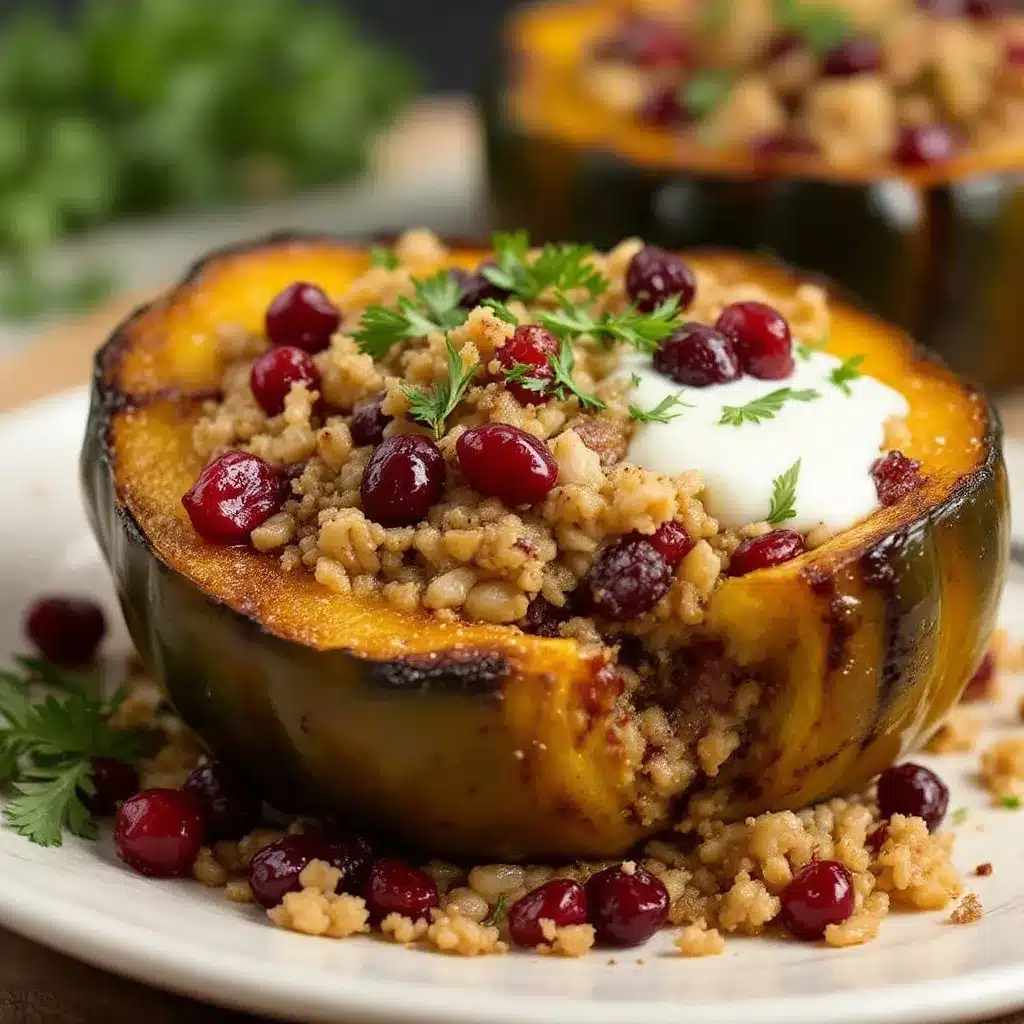
- Preheat and Prep: Preheat your oven to 400°F (200°C). Line your large sheet pan with parchment paper or aluminum foil for easy cleanup. This saves time later, and let’s face it, nobody wants to scrub baked-on squash residue.
- Cut the Squash: Wash the acorn squash thoroughly. Place it on a cutting board. Using your chef’s knife, carefully cut the squash in half from stem to base. You will need to use some force. Rock the knife back and forth until it cuts through. Be careful of your fingers. Once halved, scoop out the seeds and stringy pulp with a spoon. Discard the seeds or save them for roasting if you like.
- Roast the Squash: Drizzle the cut sides of the squash with a little olive oil and sprinkle with a pinch of salt. Place them cut-side down on the sheet pan. Roast for 30-40 minutes. You will know they are done when the flesh is tender and you can easily pierce it with a fork. Remove from the oven and flip them cut-side up. Set aside. (This step takes about 40 minutes total)
- Cook the Rice: While the squash roasts, rinse one cup of wild rice blend under cold water. In your saucepan, combine the rice with two cups of vegetable broth. Bring to a boil, then reduce heat to low, cover, and simmer for 40-45 minutes, or until the rice is tender and the liquid is absorbed. Fluff with a fork. (This step takes about 45 minutes)
- Sauté Aromatics: In a small skillet, melt one tablespoon of butter over medium heat. Add the diced onion and a pinch of salt. Cook for 5-7 minutes until softened and translucent. Add the minced garlic and dried sage. Cook for another minute until fragrant. Be careful not to burn the garlic, or it will turn bitter.
- Mix the Filling: In a large bowl, combine the cooked wild rice, sautéed onion mixture, toasted walnuts, and maple syrup. Mix well. Taste and adjust seasoning with salt and pepper. The filling should be moist but not soggy. If it seems dry, add a little more melted butter.
- Stuff and Finish: Spoon the rice mixture generously into the hollowed-out squash halves. You want a nice mound on top. Return the stuffed squash to the oven, cut-side up. Bake for another 10-15 minutes. This warms the filling through and lets the flavors meld. Remove from the oven and let cool for 5 minutes before serving.
The key here is patience. Don’t rush the roasting of the squash. If you undercook it, the flesh will be stringy and tough. If you overcook the rice, it will be mushy. Trust the timers. The sensory cues are important: the squash should smell sweet and earthy, and the rice should have a nutty aroma. If the filling looks too dry, add a splash of broth. If it looks too wet, cook it a bit longer uncovered.
Cooking Tips & Techniques
I have made my share of mistakes with stuffed squash over the years. The biggest lesson I learned was about moisture control. Wild rice can be thirsty, so make sure your broth ratio is correct. If your rice comes out too hard, add a little more water and cook it longer. If it’s mushy, you used too much liquid or cooked it too long.
Another common mistake is not toasting the walnuts. Raw walnuts can taste bland and slightly bitter. Toasting them in a dry pan for 3-5 minutes over medium heat releases their natural oils and adds a crucial crunch. This texture contrast is what makes the dish interesting. Without the crunch, it’s just soft squash and soft rice.
When cutting the squash, safety is paramount. If the squash is too hard to cut, microwave it for 2 minutes first. This softens the skin slightly. Also, make sure your cutting board is stable. Place a damp towel under the board to prevent slipping. I once had a knife slip and nick my thumb while trying to hack through a particularly tough squash. Not fun. Take your time.
For multitasking, start the rice first since it takes the longest. While it simmers, you can prep the squash. This way, everything finishes around the same time. If you are making this for guests, you can roast the squash ahead of time and reheat it when the rice is ready. The flavors actually improve after resting for a bit.
Finally, don’t skimp on the seasoning. Wild rice is mild, and squash is subtly sweet. You need enough salt and sage to tie them together. Taste the filling before stuffing it. Adjust as needed. It’s better to fix it now than after it’s in the oven.
Variations & Adaptations
One of the best things about this recipe is how adaptable it is. You can tweak it based on what you have on hand or your dietary preferences. Here are a few variations I’ve tried.
- Vegetarian/Vegan: Swap the butter for olive oil or vegan butter. Use vegetable broth instead of chicken broth (if you use it). The rest of the recipe stays the same. It’s naturally vegetarian and easily vegan.
- Gluten-Free: This recipe is naturally gluten-free. Just ensure your broth and rice blend are certified gluten-free. Some rice blends contain barley or other grains, so check the label.
- Different Grains: If you don’t like wild rice, you can use farro, quinoa, or brown rice. Farro adds a nice chewiness, while quinoa cooks faster. Adjust cooking times accordingly.
- Spicy Kick: Add a pinch of red pepper flakes to the sautéed onions. It adds a nice heat that cuts through the richness of the butter. I like this version with a side of spicy mustard.
- Cranberry Twist: Add half a cup of dried cranberries to the filling. The tartness balances the sweetness of the maple syrup beautifully. It’s a classic fall flavor combo.
I once tried adding chopped apples to the filling, and it was delicious. The apples added a fresh crunch and tartness. If you do this, use a firm apple like Granny Smith. It holds up better during baking. You can also swap the walnuts for pecans or pumpkin seeds. Pumpkin seeds, or pepitas, add a nice green color and extra crunch. It’s a great way to use up seeds from your own roasted squash.
Serving & Storage Suggestions
This dish is best served warm, straight out of the oven. The squash should be tender but still hold its shape. I like to garnish with fresh parsley or chives for a pop of color. It looks beautiful on the plate, especially if you use a dark plate to contrast with the green squash and golden rice.
For a complete meal, serve this with a simple green salad dressed with a vinaigrette. The acidity of the salad cuts through the richness of the squash. A glass of red wine, like Pinot Noir, pairs well with the earthy flavors. You can also serve it alongside roasted chicken or turkey for a holiday meal. It’s a versatile side or main dish.
Leftovers can be stored in an airtight container in the refrigerator for up to 4 days. The rice may harden slightly in the fridge, so reheat it with a splash of water or broth to restore moisture. You can reheat it in the microwave or in a covered skillet over low heat. It also freezes well for up to 3 months. Thaw in the refrigerator overnight before reheating.
The flavors develop over time, so the leftovers often taste even better the next day. The maple syrup and sage meld together, creating a deeper, more complex flavor. It’s a great meal prep option for busy weekdays. Just pack it in a container with a side of steamed broccoli for a complete lunch.
Nutritional Information & Benefits
This Cozy Stuffed Acorn Squash with Wild Rice is not only delicious but also nutritious. Acorn squash is rich in vitamins A and C, which support immune health and vision. It’s also a good source of fiber, which aids digestion. Wild rice is a whole grain that provides protein and fiber, keeping you full longer. It has a lower glycemic index than white rice, making it a better choice for blood sugar control.
The walnuts add healthy omega-3 fatty acids, which are good for heart health. Sage has antioxidant properties and may help with digestion. Overall, this dish is balanced and satisfying. It’s naturally gluten-free and can be made vegan. It’s a great option for anyone looking to eat more plant-based meals. I love that I can feel good about eating this. It’s hearty without being heavy. It fuels my body and warms my soul. Perfect for those cold fall nights when you need a little extra nourishment.
Conclusion
This Cozy Stuffed Acorn Squash with Wild Rice is a recipe that brings warmth and comfort to your table. It’s simple, delicious, and perfect for any fall occasion. I hope you try it and enjoy it as much as I do. It’s become a favorite in my home, and I think it will become one in yours too. Feel free to customize it with your favorite nuts, spices, or grains. Make it your own.
If you make this recipe, I’d love to hear how it turns out. Leave a comment below and let me know what you think. Share your variations and tips with the community. You can also tag me on social media if you post a photo. I love seeing your creations. Happy cooking, and enjoy every bite of this cozy masterpiece. It’s a recipe that reminds us to slow down and appreciate the simple pleasures of food.
Frequently Asked Questions
Can I use a different type of squash?
Yes, you can use butternut squash or delicata squash. Butternut squash is sweeter and has a smoother texture. Delicata squash can be eaten with the skin on, which adds a nice crunch. Adjust cooking times as needed, as smaller squashes may cook faster.
How do I know when the squash is done?
The squash is done when the flesh is tender and easily pierced with a fork. The skin should be slightly charred in spots. If it’s still hard, roast it for another 10 minutes.
Can I make this recipe ahead of time?
Yes, you can roast the squash and cook the rice ahead of time. Assemble and bake just before serving. This is great for holiday meal prep. It saves time on the day of the event.
Is wild rice healthy?
Yes, wild rice is a whole grain that is high in protein, fiber, and antioxidants. It has a lower glycemic index than white rice, making it a healthier choice. It also has a unique nutty flavor that adds depth to dishes.
Can I freeze the stuffed squash?
Yes, you can freeze the stuffed squash for up to 3 months. Let it cool completely before freezing. Thaw in the refrigerator overnight and reheat in the oven at 350°F until warm. The texture may change slightly, but it will still be delicious.
Pin This Recipe!
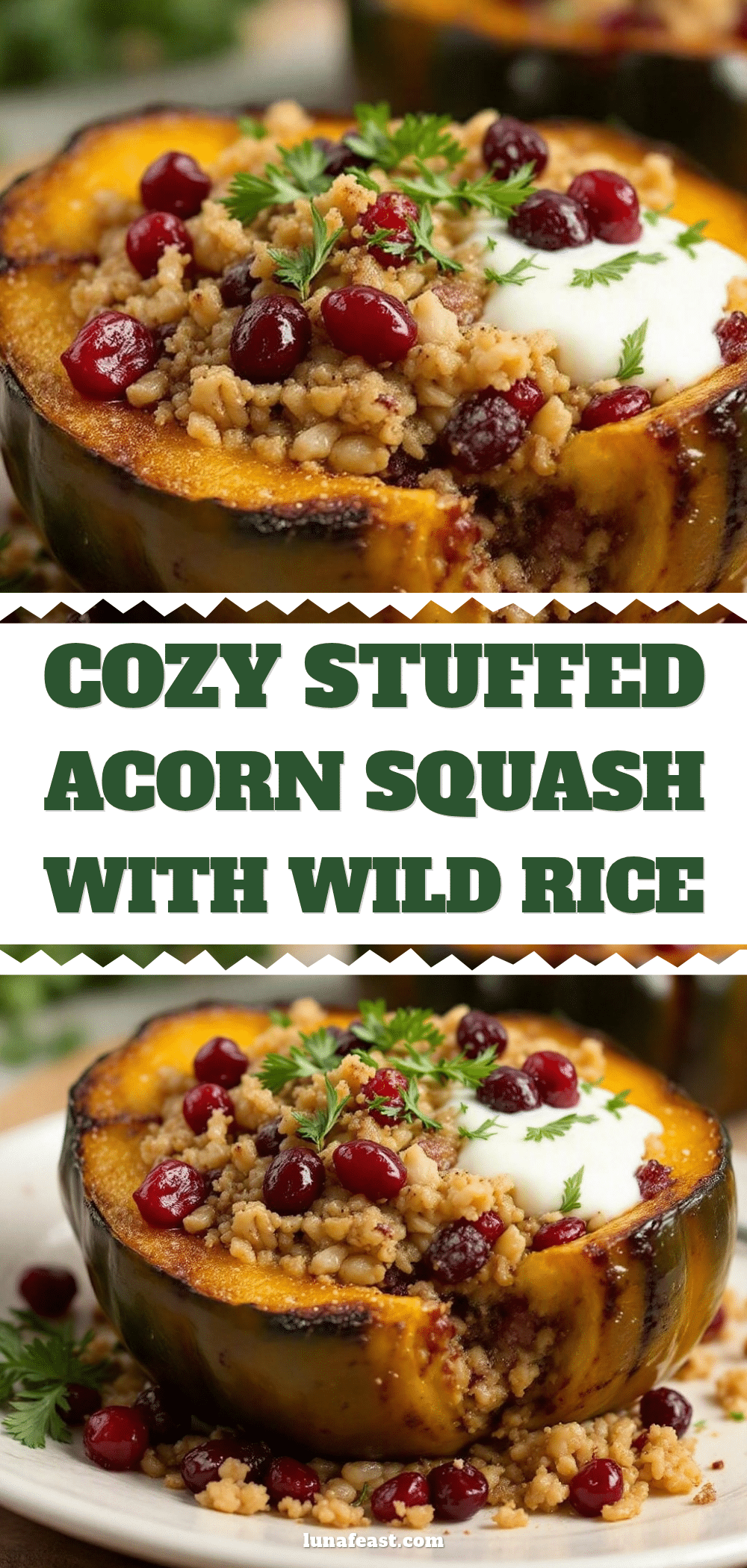
Cozy Stuffed Acorn Squash with Wild Rice
A comforting, vegetarian main dish featuring roasted acorn squash filled with a savory mixture of wild rice, sautéed onions, sage, walnuts, and maple syrup. This easy 5-ingredient style recipe is naturally gluten-free and perfect for fall gatherings.
- Prep Time: 15 minutes
- Cook Time: 45 minutes
- Total Time: 60 minutes
- Yield: 4 servings 1x
- Category: Main Course
- Cuisine: American
Ingredients
- 2 medium acorn squash
- 1 cup wild rice blend (wild rice mixed with brown or white rice)
- 2 cups low-sodium vegetable broth
- 1 medium yellow onion, finely diced
- 2 cloves garlic, minced
- 1 tablespoon unsalted butter (or olive oil for dairy-free)
- 1 teaspoon dried sage (or 1 tablespoon fresh sage, chopped)
- 1 tablespoon pure maple syrup
- 1/2 cup walnuts, chopped and toasted
- Salt and black pepper, to taste
- Olive oil, for drizzling the squash
Instructions
- Preheat oven to 400°F (200°C). Line a large sheet pan with parchment paper or foil.
- Wash the acorn squash. Carefully cut each squash in half from stem to base. Scoop out seeds and pulp with a spoon.
- Drizzle cut sides with olive oil and sprinkle with salt. Place cut-side down on the sheet pan and roast for 30-40 minutes until tender. Remove from oven and flip cut-side up.
- While squash roasts, rinse wild rice. In a saucepan, combine rice and vegetable broth. Bring to a boil, reduce heat to low, cover, and simmer for 40-45 minutes until tender. Fluff with a fork.
- In a skillet, melt butter over medium heat. Add diced onion and salt; cook for 5-7 minutes until softened. Add garlic and sage; cook for 1 minute until fragrant.
- In a large bowl, combine cooked rice, onion mixture, toasted walnuts, and maple syrup. Season with salt and pepper to taste.
- Spoon the rice mixture generously into the hollowed-out squash halves. Return to the oven, cut-side up, and bake for 10-15 minutes to warm the filling.
- Let cool for 5 minutes before serving.
Notes
If the squash is hard to cut, microwave it for 2 minutes to soften the skin. Toast walnuts in a dry pan for 3-5 minutes before adding to the filling for better flavor. Leftovers can be stored in the refrigerator for up to 4 days or frozen for up to 3 months.
Nutrition
- Serving Size: 1 stuffed squash hal
- Calories: 320
- Sugar: 10
- Sodium: 250
- Fat: 12
- Saturated Fat: 3
- Carbohydrates: 48
- Fiber: 8
- Protein: 8
Keywords: acorn squash, wild rice, stuffed squash, vegetarian, gluten-free, fall recipes, comfort food, healthy dinner, vegan option