My husband took one bite of this stew last Tuesday, looked up at me with those surprised eyes, and said, “This is the best thing you’ve made all month.” And honestly? He wasn’t wrong. I’d been chasing that deep, slow-cooked flavor for weeks—tweaking the broth, adjusting the barley ratio, trying different cuts of beef. But it wasn’t until I stopped overthinking it and let the crockpot do what it does best that everything clicked. The smell that filled our kitchen that afternoon was the kind that makes you slow down and breathe deeper. You know that feeling? When the air gets heavy with garlic, thyme, and something rich simmering away, and suddenly the world outside feels a little less urgent.
I’ve always loved a good fall stew, but there’s something about this particular combination that feels like a warm blanket in a bowl. The beef gets impossibly tender, the barley plumps up into these little chewy pearls, and the broth becomes this silky, savory thing you’ll want to drink with a spoon. I didn’t set out to create the perfect crockpot beef and barley stew—I just wanted dinner to be ready when we walked through the door after a long day. But somehow, that’s exactly what happened.
This recipe has become my go-to for those crisp autumn evenings when you want something hearty but don’t want to stand over the stove. It’s the kind of meal that makes your house smell like someone’s been cooking all day, even though you barely lifted a finger. And that, my friends, is the kind of magic we all need in our lives.
Why You’ll Love This Recipe
Let me tell you why this stew has earned a permanent spot in my fall rotation. After testing this recipe about seven times (yes, seven—my freezer is still recovering), I can confidently say this version hits every single note you want from a cozy autumn dinner.
- Set It and Forget It : This crockpot beef and barley stew requires about 15 minutes of active prep. After that, your slow cooker does all the heavy lifting. Perfect for busy weekdays or lazy Sundays.
- Simple Pantry Ingredients : Nothing fancy here. Beef chuck, onions, carrots, celery, barley, broth, and a few seasonings. You probably have most of this in your kitchen right now.
- Deep, Complex Flavor : The secret is browning the beef first. I know, I know—it’s an extra step. But trust me, that caramelized crust adds layers of flavor you just can’t get from dumping raw meat into the pot.
- Naturally Hearty and Satisfying : The barley thickens the broth as it cooks, creating this luscious, almost gravy-like consistency that clings to every piece of beef and vegetable. No flour or cornstarch needed.
- Budget-Friendly Comfort : Chuck roast is one of the most affordable cuts of beef, and barley costs pennies per serving. This meal stretches beautifully, especially if you’re feeding a crowd.
- Freezer-Friendly : Make a double batch and stash half in the freezer for those nights when you need comfort in a hurry. It actually gets better after a day or two in the fridge.
What really sets this recipe apart is the balance. The beef is fall-apart tender, the barley adds this wonderful chew, and the vegetables soften just enough without turning to mush. It’s the kind of meal that makes you close your eyes after the first bite—not because it’s fancy, but because it tastes exactly like home.
What Ingredients You Will Need
This recipe relies on simple, wholesome ingredients that work together to create something truly special. Here’s what you’ll need and why each one matters.
- Beef chuck roast (2-3 pounds) : This is my go-to cut for stew. It has enough marbling to stay tender during long cooking, and it breaks down into those beautiful, shreddable pieces you dream about. Look for chuck with good fat distribution—it means more flavor. Cut it into 1.5-inch chunks so they hold their shape.
- Pearl barley (1 cup) : I prefer pearl barley for this recipe because it cooks faster than hulled barley and has a softer, more pleasant texture. It thickens the broth naturally as it releases its starch. Rinse it before adding to remove any dust.
- Yellow onions (2 medium) : Onions form the flavor base of this stew. Dice them finely so they melt into the broth, adding sweetness and depth without being chunky.
- Carrots (3 large) : I like to cut these into thick coins—about half an inch. They hold up well during long cooking and add a subtle sweetness that balances the savory beef.
- Celery (3 stalks) : Celery adds that classic mirepoix foundation. Dice it the same size as the onions so everything cooks evenly.
- Garlic (4 cloves, minced) : Fresh garlic is non-negotiable here. It adds a pungent warmth that infuses the entire stew. Don’t skimp—four cloves might sound like a lot, but it mellows beautifully during cooking.
- Beef broth (4 cups) : Use a good quality broth here. I recommend Pacific Foods or Better Than Bouillon (roasted beef base) for the richest flavor. Low-sodium is best so you can control the salt.
- Tomato paste (2 tablespoons) : This adds a subtle tang and deepens the color of the broth. It also helps tenderize the beef slightly. I use Cento double-concentrated paste for maximum flavor.
- Worcestershire sauce (1 tablespoon) : A little goes a long way. It adds umami and complexity that makes the stew taste like it’s been simmering all day.
- Dried thyme (1 teaspoon) : Thyme is the quintessential herb for beef stew. Its earthy, slightly floral notes complement the beef and vegetables perfectly.
- Bay leaves (2) : These add a subtle herbal background note. Remember to remove them before serving—they’re not meant to be eaten.
- Salt and black pepper : Season generously. I start with 1 teaspoon of salt and ½ teaspoon of pepper, then adjust at the end.
- Olive oil (2 tablespoons) : For browning the beef. Use a high smoke-point oil like avocado if you prefer, but olive oil works beautifully here.
- Fresh parsley (for garnish) : A sprinkle of fresh parsley right before serving adds a pop of color and freshness that cuts through the richness.
Substitution Notes: If you can’t find pearl barley, hulled barley works but will need about 30 minutes more cooking time. For a gluten-free option, swap the barley for brown rice or quinoa—though the texture will be different. You can also use stew meat if your store sells it pre-cut, but I find chuck roast gives better results because you control the size of the pieces.
Equipment Needed
You don’t need a fancy kitchen to make this stew, but having the right tools makes the process smoother. Here’s what I use.
- 6-quart slow cooker : This size is perfect for a full batch. If yours is smaller, just reduce the ingredients by a third. I use a Cuisinart programmable model, but any brand works.
- Large skillet or Dutch oven : You need this for browning the beef. A cast-iron skillet is ideal because it holds heat well and creates a beautiful crust.
- Sharp chef’s knife : A good knife makes cutting the beef and vegetables so much easier. I love my Wusthof 8-inch chef’s knife.
- Cutting board : Use a sturdy board that won’t slip. Wood or plastic both work fine.
- Measuring cups and spoons : For accuracy. I keep a set of dry measuring cups and liquid measuring cups handy.
- Wooden spoon or spatula : For stirring and scraping up the browned bits from the skillet—that’s where so much flavor lives.
- Tongs : For turning the beef pieces while browning. Metal tongs with silicone tips are my favorite.
- Mixing bowl : For holding the browned beef while you prep the vegetables.
If you don’t have a slow cooker, you can make this in a Dutch oven on the stovetop or in the oven at 325°F for about 2.5 hours. The results are just as good—you just need to keep an eye on the liquid level. And honestly, a good Dutch oven is worth the investment if you make stews and soups regularly.
Preparation Method
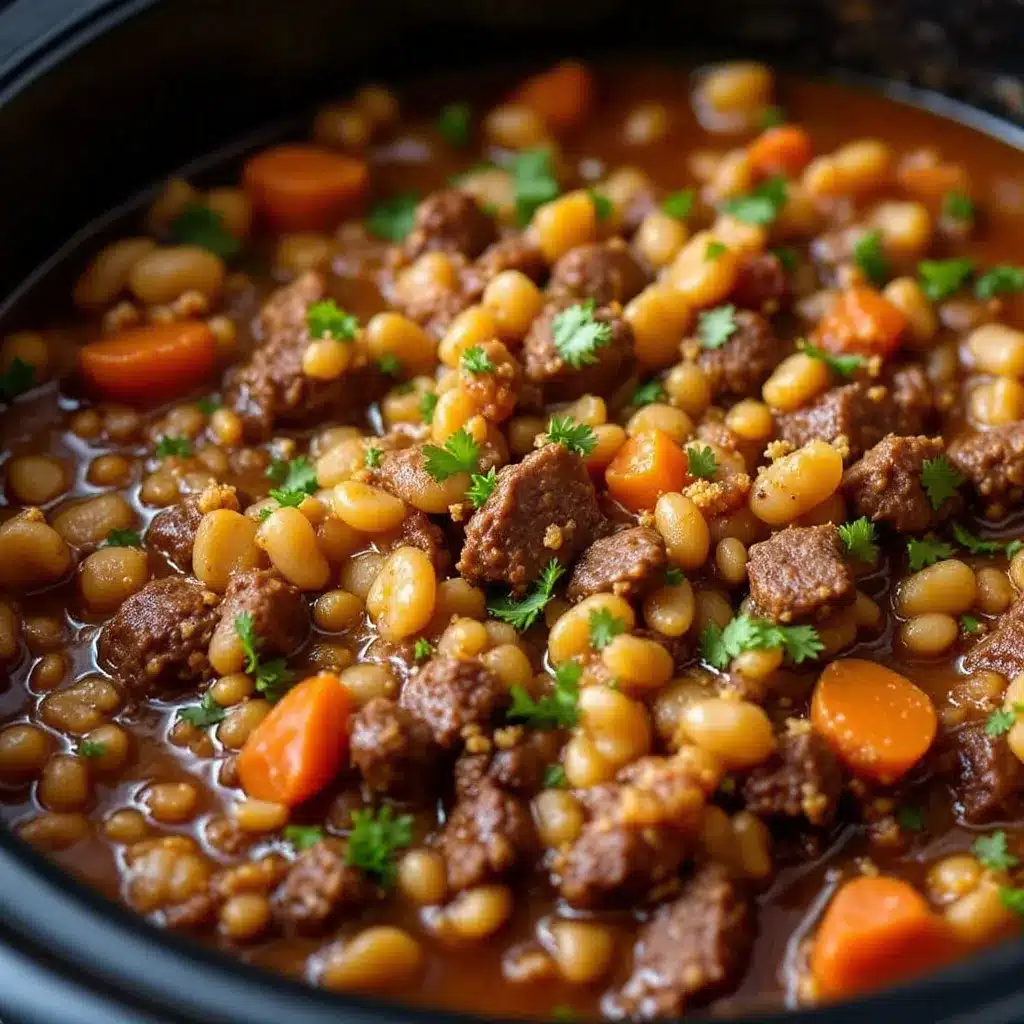
Let’s walk through this step by step. I promise it’s easier than it looks, and the results are absolutely worth the little bit of upfront effort.
- Prep the beef (5 minutes) : Pat the chuck roast dry with paper towels. This is crucial—wet meat won’t brown properly. Cut it into 1.5-inch cubes, trimming off any large pieces of fat but leaving some for flavor. Season generously with salt and pepper.
- Brown the beef (10-12 minutes) : Heat 1 tablespoon of olive oil in your large skillet over medium-high heat until it shimmers. Add half the beef in a single layer—don’t crowd the pan or they’ll steam instead of brown. Let them cook undisturbed for 3-4 minutes until a deep brown crust forms. Flip and brown the other side. Transfer to a bowl and repeat with the remaining oil and beef. This step builds the foundation of flavor.
- Sauté the aromatics (5 minutes) : Reduce the heat to medium. Add the diced onions, carrots, and celery to the same skillet. Cook for 4-5 minutes, stirring occasionally, until the onions become translucent and start to soften. Scrape up any browned bits from the bottom of the pan—that’s liquid gold.
- Add the garlic and tomato paste (1 minute) : Stir in the minced garlic and tomato paste. Cook for about 1 minute until fragrant. The tomato paste will darken slightly, which deepens its flavor.
- Deglaze the pan (2 minutes) : Pour in about ½ cup of the beef broth and stir vigorously, scraping up every last bit of browned goodness from the bottom of the skillet. Let it simmer for a minute or two until slightly reduced.
- Layer everything in the slow cooker (5 minutes) : Transfer the sautéed vegetables and all the liquid from the skillet into your slow cooker. Add the browned beef, rinsed pearl barley, remaining beef broth, Worcestershire sauce, dried thyme, and bay leaves. Give everything a good stir.
- Cook low and slow (6-8 hours on low or 4-5 hours on high) : I strongly recommend cooking on low for the best results. The beef becomes more tender, and the flavors have time to meld beautifully. If you’re in a hurry, high works too—just check the beef for tenderness around the 4-hour mark.
- Check and adjust (5 minutes) : About 30 minutes before serving, remove the bay leaves. Taste the broth and adjust seasoning with salt and pepper. If the stew seems too thick, add a splash of broth or water. If it’s too thin, leave the lid off for the last 30 minutes to let it reduce.
- Rest and serve (10 minutes) : Let the stew sit for about 10 minutes after turning off the slow cooker. This allows the flavors to settle and the barley to absorb any excess liquid. Ladle into bowls and garnish with fresh parsley.
One thing I learned the hard way—don’t add the barley at the very beginning if you’re cooking on high. It can get mushy. Adding it with everything else on low is fine, but on high, I’d wait until the last 2 hours. The barley should be tender but still have a slight chew.
Cooking Tips & Techniques
After making this stew more times than I care to count, I’ve picked up a few tricks that make a real difference. Let me share them so you don’t have to learn the hard way.
Brown in batches, not all at once. I made this mistake the first time—dumped all the beef into the skillet and ended up with gray, steamed meat. Browning happens when the meat hits a hot surface and doesn’t move. If you crowd the pan, the temperature drops and the meat releases moisture instead of forming that beautiful crust. Two batches, maybe three if your pan is small. It’s worth the extra few minutes.
Don’t skip the deglazing step. Those brown bits stuck to the bottom of your skillet after browning? That’s called fond, and it’s pure flavor. When you add the broth and scrape it up, you’re essentially making an instant, concentrated stock that gets poured into your stew. This is where restaurant-quality flavor comes from.
Season in layers. Add salt when you brown the beef, when you sauté the vegetables, and again at the end. This builds complexity. If you only season at the end, the flavors stay one-dimensional. I learned this from a chef friend, and it changed everything.
Watch the barley. Pearl barley absorbs a lot of liquid as it cooks. If you’re making this ahead of time or planning leftovers, the stew will thicken significantly overnight. Just add a splash of broth when reheating to bring it back to the right consistency. Don’t worry—it won’t dilute the flavor.
Let it rest. I know it’s tempting to dig in right away, but letting the stew sit for 10-15 minutes after cooking allows the flavors to meld and the barley to finish absorbing. The difference is subtle but noticeable. Patience pays off.
Use a thermometer for the beef. If you want to be precise, beef chuck is perfectly tender when it reaches an internal temperature of 200-205°F. That’s when the collagen breaks down into gelatin, giving you that melt-in-your-mouth texture. But honestly, if it shreds easily with a fork, you’re good.
Variations & Adaptations
This recipe is wonderfully flexible. Here are some ways I’ve adapted it depending on what I have on hand or who I’m feeding.
Vegetarian Version : Swap the beef for 2 cups of cremini mushrooms (quartered) and 1 can of chickpeas (drained and rinsed). Use vegetable broth instead of beef broth. The mushrooms add that umami depth you’d normally get from meat. Cook on low for 4-5 hours since the vegetables don’t need as long to break down.
Herb Variations : Try adding a sprig of fresh rosemary along with the thyme, or swap in 1 teaspoon of dried oregano for a slightly different flavor profile. In the winter, I sometimes add a pinch of smoked paprika for warmth. In the spring, fresh dill stirred in at the end is lovely.
Grain Substitutions : If you don’t have barley, farro works beautifully—it has a similar chewy texture. Brown rice is another option, though it won’t thicken the broth as much. For a lower-carb version, try cauliflower rice added in the last 30 minutes of cooking.
Vegetable Additions : I’ve added parsnips, turnips, and even sweet potatoes to this stew with great success. Add them at the beginning if you like them soft, or halfway through if you prefer them with more bite. Frozen peas stirred in during the last 10 minutes add a pop of color and sweetness.
Spicy Twist : For a little heat, add ½ teaspoon of red pepper flakes along with the garlic. Or stir in a chopped chipotle pepper in adobo sauce for a smoky-spicy kick. My husband loves this version, though I prefer the classic.
Slow Cooker vs. Stovetop : If you don’t have a slow cooker, make this in a Dutch oven on the stovetop. After browning the beef and sautéing the vegetables, add all the ingredients and bring to a simmer. Cover and cook on low heat for about 2 hours, or until the beef is tender. Check occasionally and add more broth if needed.
Serving & Storage Suggestions
This stew is a meal in itself, but a few thoughtful accompaniments can turn it into something truly special.
Serving Temperature : Serve this stew piping hot. Ladle it into deep bowls so the broth doesn’t spill over the sides. I like to let it cool for about 5 minutes before serving—just enough so no one burns their tongue.
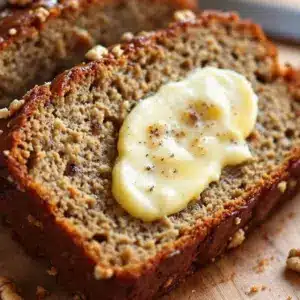
What to Serve With It : A crusty loaf of sourdough or a warm baguette is perfect for soaking up every last drop of broth. A simple green salad with a tangy vinaigrette cuts through the richness beautifully. For a truly cozy meal, serve it alongside some cozy crockpot chicken and wild rice fall soup for a double-dose of comfort.
Garnish Ideas : A sprinkle of fresh parsley is my go-to, but a dollop of sour cream or Greek yogurt adds a lovely tang. Grated Parmesan cheese is surprisingly good on this stew—the salty, nutty flavor complements the beef perfectly. Crispy fried onions on top add texture.
Storage Instructions : Store leftovers in an airtight container in the refrigerator for up to 5 days. The flavors actually improve after a day or two as they continue to meld. Just keep in mind that the barley will absorb more liquid, so the stew will thicken. Add a splash of broth or water when reheating to restore the consistency.
Freezing Instructions : This stew freezes beautifully. Let it cool completely, then transfer to freezer-safe containers or zip-top bags. Leave about an inch of headroom for expansion. Freeze for up to 3 months. Thaw overnight in the refrigerator before reheating.
Reheating Methods : Reheat on the stovetop over medium-low heat, stirring occasionally, until warmed through. You can also reheat individual portions in the microwave—just cover the bowl and heat in 1-minute intervals, stirring between each. If the stew seems too thick, add a little broth or water as it reheats.
Nutritional Information & Benefits
This stew is not just delicious—it’s packed with nutrients that make it a smart choice for nourishing your body on a cold fall day.
Estimated Nutritional Values (per serving, based on 6 servings) :
- Calories: 420
- Protein: 35g
- Fat: 18g
- Carbohydrates: 32g
- Fiber: 6g
- Sugar: 8g
- Sodium: 680mg
Health Benefits : Beef chuck is an excellent source of high-quality protein, iron, and B vitamins, which support energy metabolism and red blood cell production. Barley is a whole grain rich in soluble fiber, particularly beta-glucan, which has been shown to help lower cholesterol and stabilize blood sugar levels. Carrots and celery provide vitamins A, C, and K, along with antioxidants that support immune health.
Dietary Considerations : This recipe is naturally dairy-free and nut-free. It contains gluten from the barley, so it’s not suitable for a gluten-free diet unless you substitute the barley with brown rice or quinoa. It’s also relatively low in added sugars, with most of the sweetness coming from the vegetables.
Personal Wellness Perspective : I love that this stew feels indulgent but is actually quite balanced. It’s the kind of meal that fills you up without weighing you down. On those days when I need something comforting but still want to feel good about what I’m eating, this is my go-to.
Conclusion
This crockpot beef and barley stew has become one of those recipes I turn to again and again, and I think you’ll feel the same way. It’s the kind of meal that makes a busy weeknight feel special without requiring hours in the kitchen. The beef gets impossibly tender, the barley adds that perfect chew, and the broth is so flavorful you’ll want to drink it straight from the bowl.
What I love most about this recipe is how forgiving it is. You can swap vegetables, adjust the seasonings, or even change up the grain—and it still turns out delicious. It’s a recipe that invites you to make it your own. So don’t be afraid to experiment. Add a little more garlic if that’s your thing. Throw in some mushrooms. Make it spicy. This stew can handle it.
I’d love to hear how yours turns out. Did you add any twists? Serve it with something unexpected? Drop a comment below and let me know. And if you’re looking for more cozy fall dinners, check out this cozy crockpot chicken and wild rice fall soup or these salted caramel apple crisp bars for dessert. Happy cooking, friends—and here’s to warm bowls and even warmer hearts.
Frequently Asked Questions
Can I use stew meat instead of chuck roast?
Absolutely. Pre-cut stew meat works fine in a pinch. Just keep in mind that it’s often cut from various parts of the cow, so the tenderness might vary slightly. If you have the time, buying a chuck roast and cutting it yourself gives you more control over the size and quality of the pieces.
Do I have to brown the beef first?
Technically, no. You can dump everything in the slow cooker raw and it will still be edible. But honestly, browning the beef is the single most important step for flavor. That caramelized crust adds a depth you simply can’t get any other way. It takes an extra 10 minutes, and it’s absolutely worth it.
Why is my stew too thick after refrigerating?
This is completely normal. Barley continues to absorb liquid as it sits, so the stew will thicken significantly overnight. When you reheat it, just add a splash of beef broth or water and stir until it reaches your desired consistency. The flavor won’t be diluted.
Can I make this in an Instant Pot?
Yes! Use the sauté function to brown the beef and cook the vegetables directly in the Instant Pot. Then add the remaining ingredients, close the lid, and cook on high pressure for 35 minutes with a natural release. The barley will be perfectly tender, and the beef will be fall-apart delicious.
How do I prevent the barley from getting mushy?
The key is not overcooking it. If you’re cooking on low, adding the barley at the beginning is fine. But if you’re cooking on high, wait until the last 2 hours to add it. Also, rinse the barley before adding to remove excess starch, which can contribute to mushiness.
Pin This Recipe!
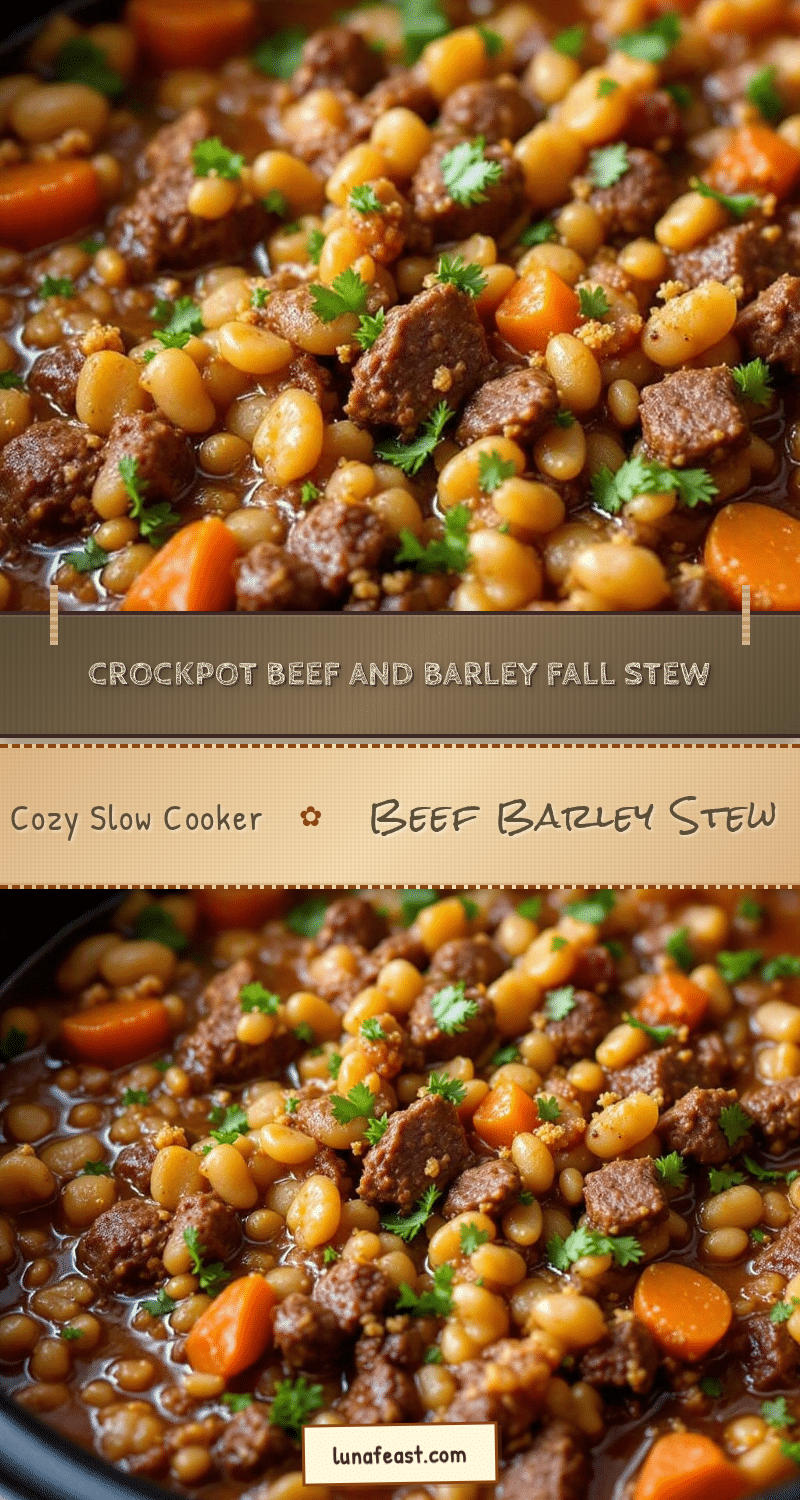
Cozy Crockpot Beef and Barley Stew – Easy Fall Dinner
A hearty, slow-cooked beef and barley stew that fills your home with the comforting aroma of garlic, thyme, and rich broth. Perfect for busy weeknights or lazy Sundays, this set-it-and-forget-it recipe delivers fall-apart tender beef and chewy barley in a silky, savory broth.
- Prep Time: 15 minutes
- Cook Time: 6-8 hours (low) or 4-5 hours (high)
- Total Time: 6 hours 15 minutes to 8 hours 15 minutes
- Yield: 6 servings 1x
- Category: Main Course
- Cuisine: American
Ingredients
- 2–3 pounds beef chuck roast, cut into 1.5-inch cubes
- 1 cup pearl barley, rinsed
- 2 medium yellow onions, finely diced
- 3 large carrots, cut into 1/2-inch coins
- 3 stalks celery, diced
- 4 cloves garlic, minced
- 4 cups beef broth (low-sodium recommended)
- 2 tablespoons tomato paste
- 1 tablespoon Worcestershire sauce
- 1 teaspoon dried thyme
- 2 bay leaves
- 1 teaspoon salt (plus more to taste)
- 1/2 teaspoon black pepper (plus more to taste)
- 2 tablespoons olive oil
- Fresh parsley for garnish
Instructions
- Pat the chuck roast dry with paper towels. Cut into 1.5-inch cubes, trimming large pieces of fat. Season generously with salt and pepper.
- Heat 1 tablespoon olive oil in a large skillet over medium-high heat. Add half the beef in a single layer and cook undisturbed for 3-4 minutes until a deep brown crust forms. Flip and brown the other side. Transfer to a bowl. Repeat with remaining oil and beef.
- Reduce heat to medium. Add diced onions, carrots, and celery to the same skillet. Cook for 4-5 minutes, stirring occasionally, until onions are translucent and softened. Scrape up any browned bits from the bottom of the pan.
- Stir in minced garlic and tomato paste. Cook for 1 minute until fragrant.
- Pour in about 1/2 cup of the beef broth and stir vigorously, scraping up all browned bits. Let simmer for 1-2 minutes until slightly reduced.
- Transfer the sautéed vegetables and all liquid from the skillet into a 6-quart slow cooker. Add the browned beef, rinsed pearl barley, remaining beef broth, Worcestershire sauce, dried thyme, and bay leaves. Stir well.
- Cook on low for 6-8 hours or on high for 4-5 hours. (For best results, cook on low.)
- About 30 minutes before serving, remove bay leaves. Taste and adjust seasoning with salt and pepper. If stew is too thick, add a splash of broth or water. If too thin, leave lid off for the last 30 minutes.
- Let stew rest for 10 minutes after turning off the slow cooker. Ladle into bowls and garnish with fresh parsley.
Notes
For best results, brown the beef in batches to avoid steaming. Deglaze the pan to capture all flavor. If cooking on high, add barley during the last 2 hours to prevent mushiness. Leftovers will thicken; add broth when reheating.
Nutrition
- Serving Size: 1 serving (about 1.5
- Calories: 420
- Sugar: 8
- Sodium: 680
- Fat: 18
- Saturated Fat: 6
- Carbohydrates: 32
- Fiber: 6
- Protein: 35
Keywords: crockpot beef and barley stew, slow cooker beef stew, fall dinner, hearty stew, beef barley soup, easy stew recipe