It’s 7:45 PM on a Tuesday, and the house is finally quiet. The dishwasher is humming its low, rhythmic song, and the only light comes from the stove hood. I’m standing in front of the counter, staring at a piece of salmon that looks a little too pink and a handful of asparagus that’s starting to wilt in the fridge. Honestly, the last thing I want to do is chop onions or stir a pot that requires constant attention. I just want something warm, something that smells like comfort, and something I can eat without feeling like I’ve been chained to the kitchen for an hour. That’s when the garlic butter salmon sheet pan dinner saves the day. It’s not fancy. It’s not complicated. It’s just real food, made with simple ingredients, ready in the time it takes to scroll through social media.
I’ve made this recipe so many times that I could probably do it blindfolded, but I never get tired of the smell. The garlic sizzling in the butter, the lemon cutting through the richness, and the salmon flaking apart at the touch of a fork. It’s a meal that feels like a hug. You don’t need to be a professional chef to make this work. You just need a sheet pan, some foil, and the patience to let the oven do the heavy lifting. It’s perfect for those nights when you’re tired, hungry, and don’t want to compromise on taste. This isn’t just dinner; it’s a small victory at the end of a long day.
There’s something deeply satisfying about pulling a single pan out of the oven. No dirty bowls, no extra pots, no scrubbing multiple surfaces. Just one pan to wash. It’s efficient, sure, but it’s also kind of peaceful. You set it down, you plate it up, and you eat. Simple. The flavor profile is bold enough to feel special but familiar enough to feel safe. It’s the kind of meal that sticks with you, not because it’s complicated, but because it’s exactly what you needed. And that’s why I keep coming back to it. It’s reliable. It’s delicious. And it’s mine.
Why You’ll Love This Recipe
Let’s be honest for a second. Cooking after work is hard. You’re tired, you’re hungry, and the idea of chopping vegetables for twenty minutes feels like a chore. That’s why this garlic butter salmon sheet pan dinner is my go-to. It’s not just about saving time; it’s about saving your sanity. I’ve tested this recipe dozens of times, tweaking the garlic amount and the cooking time, until I landed on the perfect balance. It’s foolproof, which is rare in my kitchen. Here’s why it works so well:
- Quick & Easy: From prep to plate, this meal takes under 25 minutes. That’s less time than it takes to order takeout and wait for delivery. Perfect for those busy weeknights when you just want to eat.
- Simple Ingredients: You don’t need a trip to a specialty store. Everything you need is likely already in your fridge or pantry. Salmon, butter, garlic, lemon, and some veggies. That’s it. No weird sauces or hard-to-find spices.
- Perfect for Weeknight Dinners: This is the ultimate “I don’t know what to cook” solution. It’s healthy, it’s filling, and it doesn’t require any special skills. It’s great for solo dinners, date nights, or feeding a family that’s picky about fish.
- Crowd-Pleaser: Even people who claim they “don’t like fish” usually love this. The garlic butter masks any fishy taste, and the crispy edges add a texture that everyone enjoys. It’s a safe bet for impressing guests without the stress.
- Unbelievably Delicious: The combination of rich butter, sharp garlic, and bright lemon creates a flavor profile that’s next-level comfort food. The salmon stays moist and flaky, while the veggies roast to caramelized perfection.
What makes this recipe different from the rest? It’s the technique. By roasting everything on one pan, the flavors meld together. The garlic butter drips down onto the vegetables, seasoning them as they cook. It’s a one-pan wonder that delivers maximum flavor with minimum effort. I’ve tried other methods, like pan-searing, but they leave you with a greasy stovetop and unevenly cooked fish. This oven method is consistent and clean. It’s not just another salmon recipe; it’s the best version of one. It’s the kind of meal that makes you close your eyes after the first bite, realizing that healthy eating doesn’t have to be boring. It’s soul-soothing satisfaction in every forkful.
What Ingredients You Will Need
This recipe uses simple, wholesome ingredients to deliver bold flavor and satisfying texture without the fuss. You don’t need gourmet items from a specialty shop. In fact, the beauty of this dish lies in its accessibility. Most of these items are pantry staples or easy-to-find freezer or fridge items. I like to keep it flexible, so you can swap veggies based on what’s in season or what you have on hand. Here’s what you’ll need to get started:
- Salmon Fillets: Look for fresh, wild-caught salmon if you can find it. It has a better texture and flavor than farmed. Four 6-ounce fillets work perfectly for a standard sheet pan. If you’re on a budget, frozen salmon fillets work too—just make sure to thaw them completely before cooking.
- Unsalted Butter: I recommend using high-quality unsalted butter, like Kerrygold or Plugrá. It gives that rich, creamy base for the garlic sauce. Salted butter works in a pinch, but you’ll need to reduce the added salt elsewhere.
- Garlic: Fresh garlic is non-negotiable here. Pre-minced jarred garlic has a different, sharper taste that doesn’t blend as well. Use about 4-5 cloves, minced finely. The more garlic, the better, honestly.
- Lemon: You’ll need one whole lemon. Half of it for the juice, and the other half sliced into rounds for garnish. The acid cuts through the richness of the butter and salmon, balancing the dish perfectly.
- Asparagus: This is my go-to veggie for sheet pan dinners. It roasts quickly and pairs beautifully with salmon. Look for spears that are firm and bright green. About 1 pound is a good amount.
- Broccoli Florets: I add broccoli for some bulk and crunch. It absorbs the garlic butter well. Cut it into bite-sized florets so it cooks evenly.
- Olive Oil: Just a tablespoon or two to help the veggies roast and get some color. Extra virgin olive oil adds a nice fruity note.
- Seasonings: Kosher salt, black pepper, and dried parsley. I also like a pinch of red pepper flakes if I want a little kick. Keep it simple.
- Lemon Parsley Garnish: Fresh parsley, chopped, for sprinkling on top at the end. It adds a pop of color and freshness.
If you’re swapping ingredients, feel free to use green beans, zucchini, or even cherry tomatoes. The cooking times are similar enough that they’ll work. For a dairy-free option, you can swap the butter for olive oil or a plant-based butter alternative. The key is to keep the garlic and lemon prominent, as they are the flavor anchors of the dish. I always suggest buying fresh herbs if you can, but dried parsley works fine in a pinch. Just be generous with it.
Equipment Needed
You don’t need a lot of fancy gear for this. A standard 18×13 inch sheet pan is ideal. I use a rimmed baking sheet because it contains the butter and juices, preventing spills in the oven. Lining it with aluminum foil or parchment paper makes cleanup a breeze. I prefer foil because it can handle the high heat better and makes scraping off the caramelized bits easier. A small bowl for mixing the garlic butter, a brush for spreading it, and a sharp knife for prepping the veggies are all you need. If you don’t have a fish spatula, a regular one works, but a thin, flexible spatula helps get under the salmon without breaking it. I’ve ruined a few fillets with thick spatulas in the past, so learn from my mistake. A small whisk is helpful for emulsifying the butter and garlic mixture, ensuring it coats everything evenly. Keep it simple and budget-friendly; you already have most of this in your kitchen.
Preparation Method
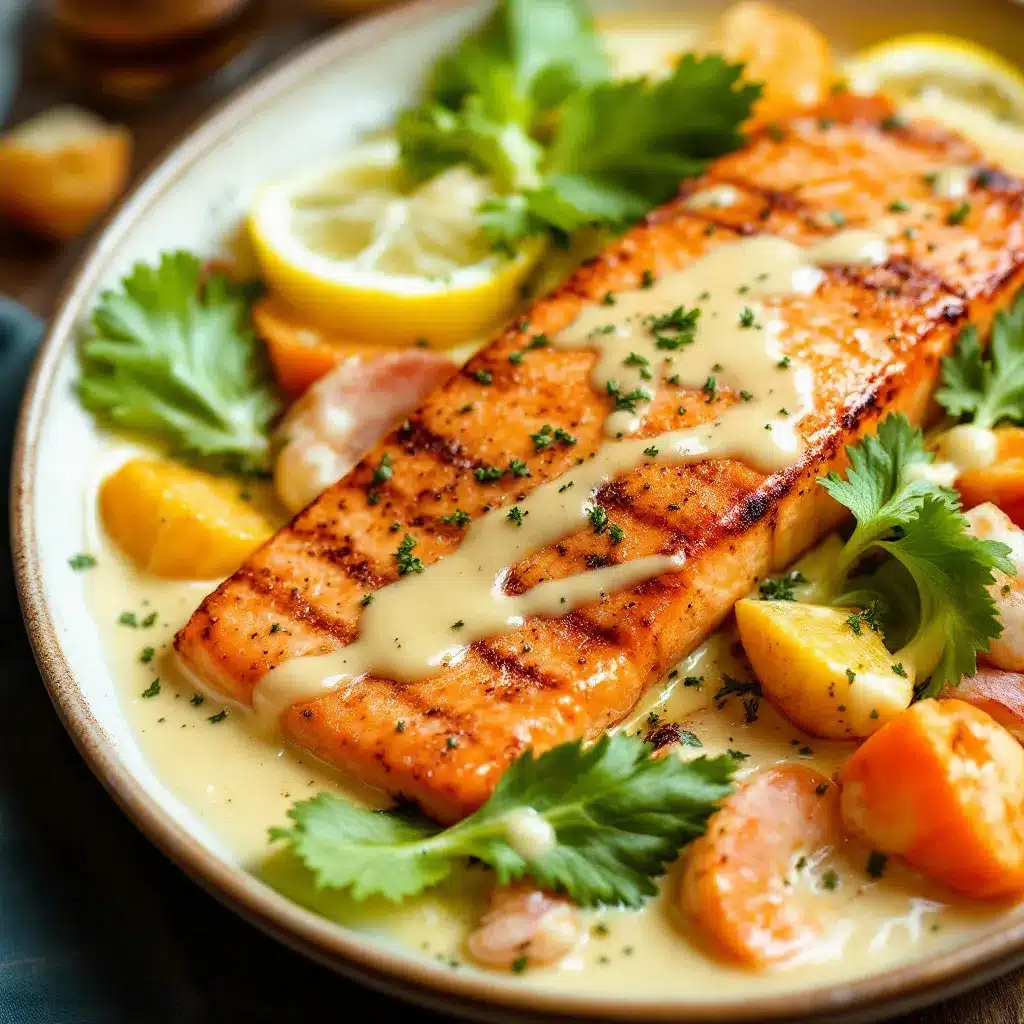
- Preheat the Oven: Start by preheating your oven to 400°F (200°C). This temperature is high enough to cook the salmon quickly without drying it out, while also roasting the vegetables nicely. It takes about 10-15 minutes to heat up, so use that time to prep your ingredients.
- Prep the Vegetables: Wash and trim the asparagus, snapping off the woody ends. Cut the broccoli into small florets. Place them on your lined sheet pan. Drizzle with olive oil, salt, and pepper. Toss them around to coat evenly. Spread them out in a single layer. Don’t crowd them, or they’ll steam instead of roast.
- Prepare the Salmon: Pat the salmon fillets dry with paper towels. This is crucial for getting a good sear and preventing them from becoming mushy. Place them on the sheet pan, nestled among the vegetables. If the fillets are very different in size, try to place the thinner ones in the center where it’s cooler.
- Make the Garlic Butter: In a small bowl, melt the butter. I usually do this in the microwave for 30-45 seconds, or in a small saucepan on the stove. Once melted, stir in the minced garlic, salt, pepper, and red pepper flakes (if using). Let it sit for a minute so the garlic flavors infuse the butter.
- Assemble: Brush the garlic butter mixture generously over the salmon fillets. Let some of it drip onto the vegetables as well. This ensures every bite has that garlicky flavor. Squeeze half the lemon over the salmon and veggies. Place the lemon slices on top of the fish for garnish.
- Bake: Place the sheet pan in the preheated oven. Bake for 12-15 minutes. The exact time depends on the thickness of your salmon. You want the fish to be opaque and flake easily with a fork. The vegetables should be tender-crisp and slightly browned at the edges. Check at the 12-minute mark to avoid overcooking.
- Rest and Serve: Remove the pan from the oven. Let the salmon rest for 2-3 minutes. This allows the juices to redistribute. Sprinkle with fresh parsley and serve immediately. The residual heat will continue to cook the veggies slightly, so pull them out when they’re just shy of perfect.
Troubleshooting tip: If your salmon is very thick, you might need an extra minute or two. If it’s thin, check it early. Overcooked salmon is dry and rubbery, so err on the side of slightly underdone. The carryover cooking will finish it off. Also, if your garlic starts to burn, lower the oven temperature to 375°F (190°C) for the remaining time. Burnt garlic tastes bitter and ruins the dish.
Cooking Tips & Techniques
I’ve made my fair share of mistakes with salmon, and I’m here to tell you that patience is key. One common mistake is overcrowding the pan. When you pack the veggies and fish too tight, they release moisture and steam. Steamed salmon isn’t what we want; we want roasted. Give each piece some space. Another tip is to dry the salmon thoroughly before seasoning. Moisture is the enemy of browning. If the surface is wet, it will steam. Pat it dry with paper towels, and you’ll get a better texture. Also, don’t skip the resting period. Cutting into the fish immediately releases all the juices onto the plate. Let it sit for a few minutes to keep it moist. I also like to add a pinch of sugar to the garlic butter. It helps caramelize the garlic and adds a subtle sweetness that balances the acidity of the lemon. It’s a small trick, but it makes a big difference. Finally, taste your garlic before mixing it into the butter. If it’s overpowering, use less. You want the garlic to be a flavor note, not the main event.
Variations & Adaptations
While I love this recipe as is, there are plenty of ways to tweak it. For a lighter version, swap the butter for olive oil and add a dollop of Greek yogurt at the end for creaminess. If you’re gluten-free, this recipe is naturally gluten-free, but just double-check your seasoning blends. For a spicy kick, add more red pepper flakes or a dash of hot sauce to the butter. You can also change the veggies. Asparagus and broccoli are my favorites, but green beans, zucchini, and bell peppers work well too. Just adjust the cooking time based on the veggie’s density. Root vegetables like potatoes or carrots take longer, so parboil them first or cut them small. I’ve also tried adding capers to the garlic butter for a briny, tangy twist. It’s surprisingly good. If you’re serving kids, you might want to reduce the garlic amount or serve the sauce on the side. Everyone’s taste is different, so feel free to experiment. The base recipe is flexible enough to handle changes without falling apart.
Serving & Storage Suggestions
Serve this dish hot, straight from the oven. It pairs well with a simple green salad, quinoa, or crusty bread to soak up the garlic butter. A glass of white wine, like a Sauvignon Blanc or Pinot Grigio, complements the lemon and fish beautifully. For leftovers, store the salmon and veggies in an airtight container in the refrigerator for up to 3 days. Reheat gently in the oven at 350°F (175°C) for 10 minutes to avoid drying out the fish. Microwave reheating can make the salmon rubbery, so avoid it if possible. The flavors actually meld together overnight, making it even better the next day. If you want to freeze it, freeze the cooked salmon and veggies for up to 2 months. Thaw in the fridge overnight before reheating. The texture of the veggies might soften slightly after freezing, but the flavor remains intact. It’s a great option for meal prep.
Nutritional Information & Benefits
This meal is not only delicious but also nutritious. Salmon is packed with omega-3 fatty acids, which are great for heart and brain health. It’s also a high-quality source of protein. The vegetables add fiber, vitamins, and minerals. Asparagus is rich in folate and vitamin K, while broccoli is loaded with vitamin C and antioxidants. The garlic butter adds some fat, but it’s mostly saturated fat from the butter, so enjoy it in moderation. This recipe is naturally gluten-free and low-carb if you skip the starchy sides. It’s a balanced meal that keeps you full and satisfied. I love that it provides sustained energy without the crash that comes from heavier, carb-loaded meals. It’s a smart choice for anyone looking to eat well without sacrificing flavor.
Conclusion
This garlic butter salmon sheet pan dinner is more than just a quick meal; it’s a testament to the power of simplicity. It’s easy, it’s healthy, and it tastes incredible. I hope you try it and find it as comforting as I do. Feel free to customize it with your favorite veggies or spices. Share your creations with me in the comments below. I love seeing how you make the recipe your own. Don’t forget to save this recipe for your next busy weeknight. And if you have friends who need an easy dinner idea, share this with them. Cooking should be enjoyable, not stressful. Let this recipe be your proof. Enjoy every bite, and remember, sometimes the best meals are the simplest ones.
Frequently Asked Questions
How do I know when the salmon is done?
The salmon is done when it flakes easily with a fork and is opaque throughout. The internal temperature should reach 145°F (63°C), but many chefs prefer to pull it at 135°F (57°C) as it will continue to cook while resting.
Can I use frozen salmon?
Yes, you can use frozen salmon. Just make sure to thaw it completely in the refrigerator overnight. Pat it dry before seasoning to ensure proper roasting. Fresh salmon is preferred for texture, but frozen works well in a pinch.
What vegetables go best with salmon?
Asparagus, broccoli, green beans, zucchini, and cherry tomatoes are excellent choices. They roast quickly and pair well with the garlic butter flavor. Avoid root vegetables unless you parboil them first.
Can I make this in an air fryer?
Yes, you can cook salmon in an air fryer. Cook at 400°F (200°C) for 8-10 minutes. Veggies might need to be cooked separately or added later, as they take longer to roast. Check the salmon frequently to avoid overcooking.
How do I store leftovers?
Store leftovers in an airtight container in the refrigerator for up to 3 days. Reheat gently in the oven at 350°F (175°C) for 10 minutes. Avoid microwaving to prevent the salmon from becoming rubbery.
Pin This Recipe!
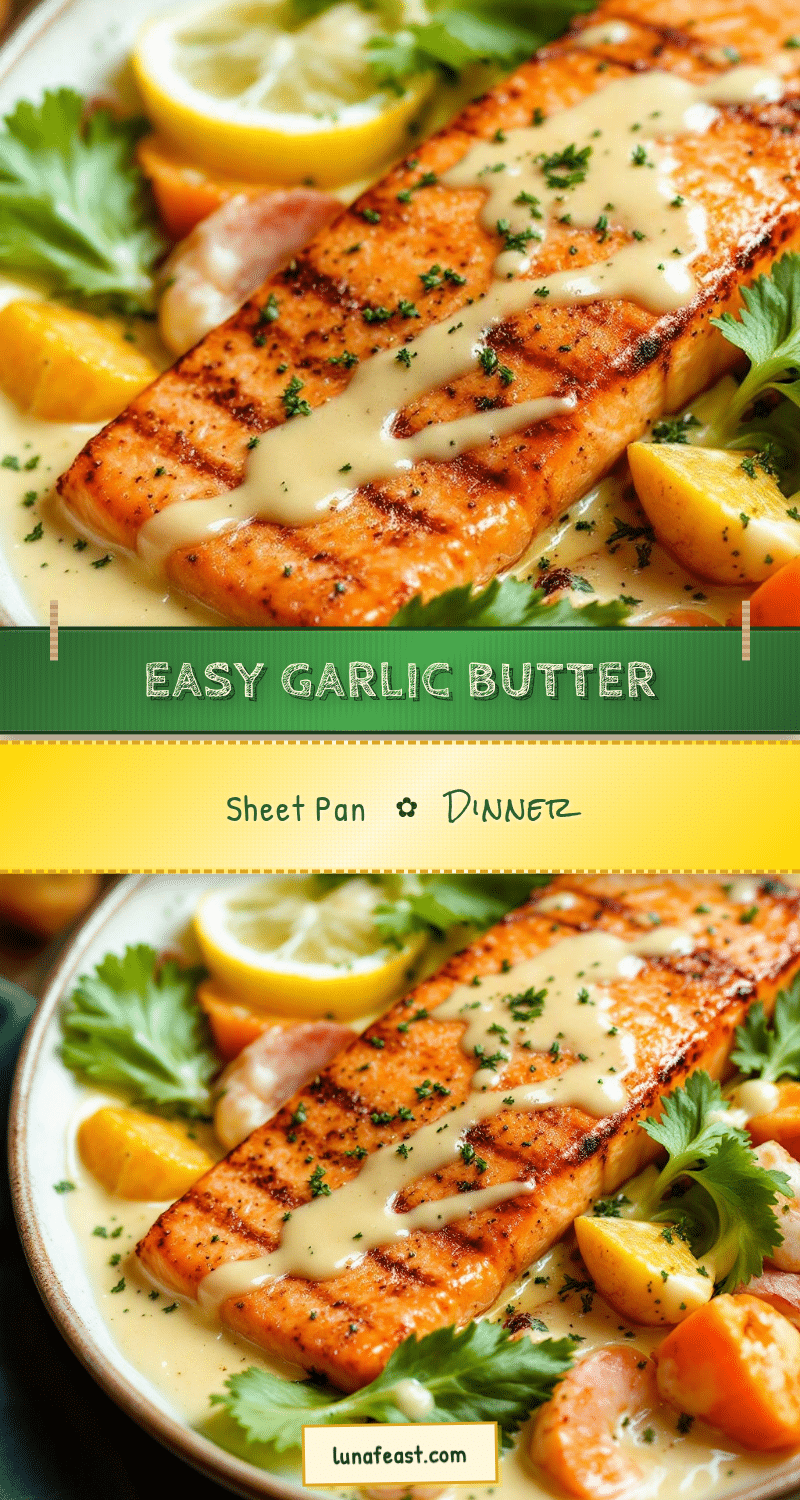
Easy Garlic Butter Salmon Sheet Pan Dinner

A quick and easy 20-minute weeknight meal featuring salmon fillets and roasted vegetables tossed in a rich garlic butter sauce, all cooked on a single sheet pan for minimal cleanup.
- Prep Time: 10 minutes
- Cook Time: 15 minutes
- Total Time: 25 minutes
- Yield: 4 servings 1x
- Category: Main Course
- Cuisine: American
Ingredients
- 4 salmon fillets (6 ounces each)
- 1/2 cup unsalted butter
- 4–5 cloves garlic, minced
- 1 lemon (half juiced, half sliced)
- 1 pound asparagus, woody ends trimmed
- 1 head broccoli, cut into bite-sized florets
- 1–2 tablespoons olive oil
- Kosher salt
- Black pepper
- 1 teaspoon dried parsley
- Pinch of red pepper flakes (optional)
- Fresh parsley, chopped (for garnish)
Instructions
- Preheat oven to 400°F (200°C).
- Wash and trim asparagus, snapping off woody ends. Cut broccoli into small florets.
- Line a standard 18×13 inch rimmed sheet pan with aluminum foil or parchment paper.
- Place asparagus and broccoli on the sheet pan. Drizzle with olive oil, salt, and pepper. Toss to coat and spread in a single layer.
- Pat salmon fillets dry with paper towels and place them on the sheet pan among the vegetables.
- In a small bowl, melt the butter (microwave or stovetop). Stir in minced garlic, salt, pepper, and red pepper flakes.
- Brush the garlic butter mixture generously over the salmon fillets, allowing some to drip onto the vegetables.
- Squeeze half the lemon over the salmon and veggies. Place lemon slices on top of the fish.
- Bake for 12-15 minutes, or until salmon is opaque and flakes easily with a fork.
- Remove from oven and let rest for 2-3 minutes.
- Sprinkle with fresh parsley and serve immediately.
Notes
Ensure salmon is patted dry before cooking to prevent steaming. Do not overcrowd the pan to allow vegetables to roast properly. If garlic starts to burn, lower oven temperature to 375°F. Salmon is done when it flakes easily and reaches an internal temperature of 145°F (though many prefer pulling at 135°F).
Nutrition
- Serving Size: 1 salmon fillet with
- Calories: 450
- Sugar: 2
- Sodium: 600
- Fat: 32
- Saturated Fat: 14
- Carbohydrates: 8
- Fiber: 3
- Protein: 35
Keywords: salmon, sheet pan dinner, garlic butter, quick meals, weeknight dinner, healthy seafood, one pan meal, easy recipes