That sharp, audible snap, and that’s the whole point.
You know the sound. It cuts through the noise of a crowded room like a knife through butter. I was standing in my kitchen last October, waiting for the cast iron to finish its work, and I heard it. A single, crisp fracture in the casing of a bratwurst. It wasn’t just a sound; it was a promise.
I had spent years chasing that specific texture. You try boiling them first to keep them juicy, but the skin turns rubbery. You try grilling them, but the flare-ups char the outside before the inside is warm. I wanted the best of both worlds. I wanted the tender, peppery snap of a fresh German sausage paired with the tangy, caramelized bite of sauerkraut, all in one pan.
This Crispy Oktoberfest Bratwurst and Sauerkraut Skillet isn’t about fancy techniques or expensive ingredients. It’s about patience and heat. It’s about letting the fat render slowly until the meat pulls away from the skin, creating a golden, crunchy armor around the juicy center.
I remember the first time I made this for my neighbors. They were complaining about the drafty windows and the shortening days. I brought over a cast iron skillet, still sizzling on the burner. The smell of caraway seeds and browned pork filled the hallway. They didn’t need an invitation. They just grabbed forks.
There is something primal about eating straight from the skillet. It feels like a campfire meal, even if you are sitting at your kitchen island in sweatpants. The crunch of the sausage against the soft, sweet-tart cabbage creates a contrast that keeps you coming back for more.
I make this recipe when the air turns crisp. It’s not just dinner; it’s a mood. It’s the culinary equivalent of lighting a fire and pouring a dark lager. Once you taste that first bite, you’ll understand why I never go back to boiled brats. The texture is everything. And honestly, once you get it right, you’ll never order brats at a restaurant again.
Why You’ll Love This Recipe
Let’s face it, cooking sausages can be a gamble. You either end up with a burst mess or a dry, flavorless disc. This recipe is the result of years of trial, error, and a few burned pans. I’ve tested this method with over a dozen different brands of German-style pork sausages, and this skillet technique is the only one that guarantees a perfect result every single time.
Here is why this dish has become a staple in my weekly rotation:
- Quick & Easy: Despite the long simmer, the active time is under 15 minutes. You just slice, sear, and let the oven do the heavy lifting. It is perfect for busy weeknights when you want something hearty but don’t have hours to spare.
- Simple Ingredients: No fancy grocery trips needed. You likely already have onions, beer, and sauerkraut in your pantry or fridge. The flavor profile relies on basic staples that you probably already own.
- Perfect for Game Day: Whether it is a cozy Tuesday or a loud Sunday afternoon, this dish is great for potlucks and holiday mornings. It’s easy to serve family-style from the skillet, making it a natural centerpiece for gatherings.
- Crowd-Pleaser: It always gets rave reviews from kids and adults alike. The sweetness of the onions balances the tang of the cabbage, and the savory sausage appeals to everyone’s comfort food cravings.
- Unbelievably Delicious: The texture and flavor combo is next-level comfort food. The contrast between the shattering crisp skin and the tender, juicy meat is unmatched.
What makes this recipe different from the rest is the initial sear. Most people boil their brats, which leaches out all the flavor. By starting with a hard sear in the skillet, you lock in the juices and create that essential crust. It’s a simple twist, but it changes everything.
This recipe isn’t just good—it is the kind that makes you close your eyes after the first bite. It’s comfort food reimagined—healthier, faster, but with the same soul-soothing satisfaction. It’s perfect for impressing guests without stress, or turning a simple meal into something memorable.
What Ingredients You Will Need
This recipe uses simple, wholesome ingredients to deliver bold flavor and satisfying texture without the fuss. The magic here lies in the quality of the sausage and the balance of acidity from the sauerkraut. You don’t need exotic spices; you need good basics.
- Pork Bratwurst: Use high-quality, raw pork sausages. Look for brands that list pork as the first ingredient. I recommend Jenn-O-Nova or local butcher-made brats for the best snap. Avoid pre-cooked sausages, as they lack the necessary fat content to render properly.
- Sauerkraut: This is the backbone of the dish. Use raw, unpasteurized sauerkraut if you can find it, as it has a brighter, tangier flavor. If you must use jarred, rinse it lightly to remove excess brine, but keep some of the tang. It adds essential acidity to cut through the rich pork.
- Yellow Onions: You need two large yellow onions. They provide the sweetness that caramelizes during the cooking process. Sweet onions like Vidalia work well too, especially in the fall.
- Beer: A dark lager or a Helles beer is traditional. The maltiness complements the pork beautifully. If you don’t drink alcohol, you can substitute with beef broth and a splash of apple cider vinegar for similar depth.
- Dijon Mustard: Adds a sharp, tangy kick that bridges the gap between the sweet onions and sour cabbage. It’s a classic German pairing.
- Caraway Seeds: These are non-negotiable for an authentic flavor profile. They add an earthy, slightly nutty note that defines the dish. Toast them lightly in the pan before adding the onions for extra aroma.
- Butter and Olive Oil: A combination of both ensures a high smoke point for searing while adding rich flavor. The butter helps brown the onions, while the oil prevents burning.
- Garlic: Two cloves, minced. Garlic adds a savory undertone that rounds out the flavor profile without overpowering the sausage.
If you are watching your carb intake, you can skip the bread for serving, but the sauce from the skillet is too good to waste. It’s essentially a liquid gold that you’ll want to soak up with anything available.
Equipment Needed
You don’t need a fancy kitchen to make this, but having the right tools makes the process smoother.
- Cast Iron Skillet: This is the most important piece of equipment. Cast iron retains heat exceptionally well, which is crucial for getting that crispy skin on the sausages. If you don’t have one, a heavy-bottomed stainless steel skillet works, but you may need to adjust the heat slightly.
- Chef’s Knife: A sharp knife is essential for slicing the sausages and dicing the onions evenly. A dull knife will crush the sausage links, causing them to burst prematurely.
- Meat Thermometer: While you can cook by eye, a thermometer ensures the sausages reach a safe internal temperature of 160°F (71°C). This prevents undercooked pork and guarantees juiciness.
- Spatula: Use a sturdy metal or silicone spatula to flip the sausages and stir the onions. You need something that can handle the heat and scrape up the browned bits from the bottom of the pan.
- Baking Sheet (Optional): If your skillet is not oven-safe, you can transfer the sausages to a baking sheet after searing to finish them in the oven. However, keeping everything in one pan reduces cleanup.
Maintain your cast iron by washing it with hot water and a brush, then drying it thoroughly and applying a thin layer of oil. It should last a lifetime and get better with every use. For a budget-friendly option, a standard 12-inch skillet is sufficient for this recipe, serving four to six people comfortably.
Preparation Method
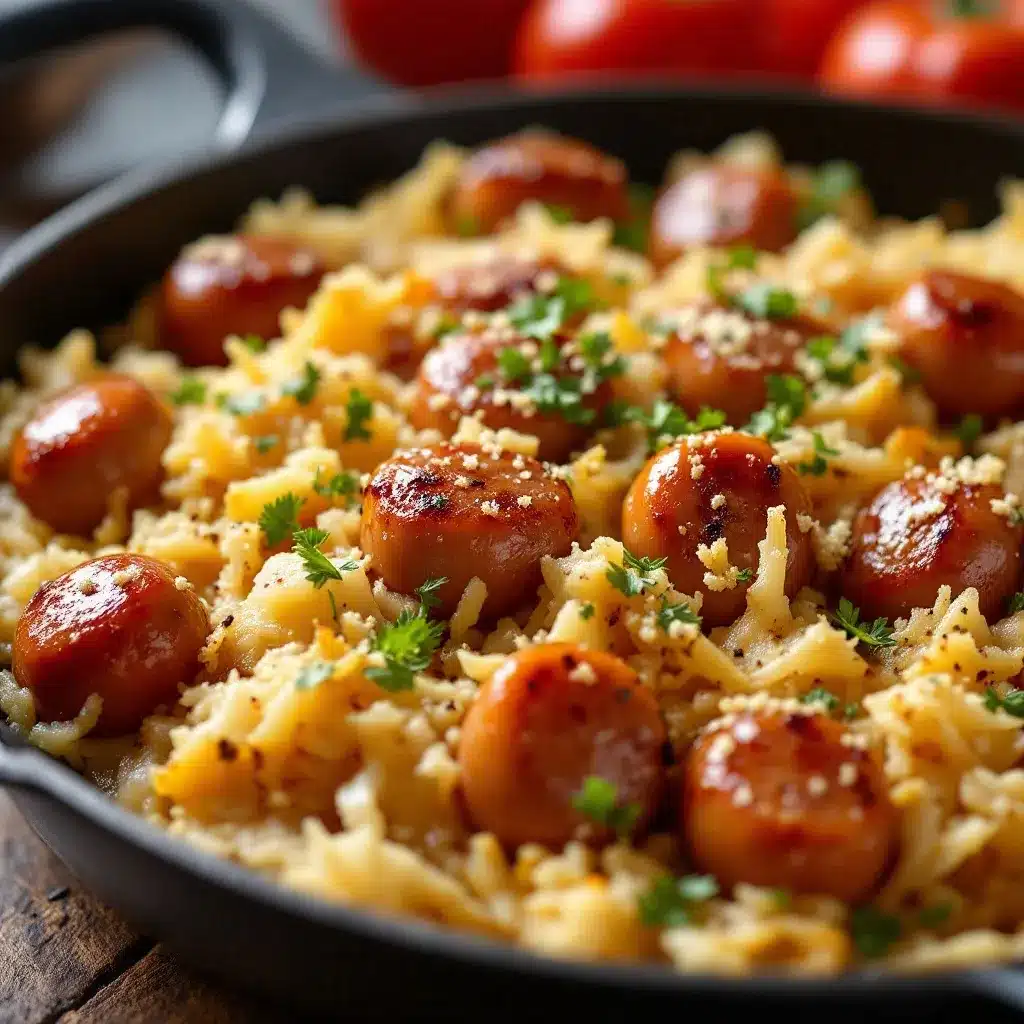
Getting the texture right requires a specific sequence of events. We start with a high-heat sear, then simmer in beer to cook the inside, and finally, crisp it all up together. Here is how to do it step-by-step.
- Prep the Ingredients (5 minutes): Slice the yellow onions in half and then into thin half-moons. Mince the garlic. If using whole caraway seeds, measure out one teaspoon. Drain the sauerkraut in a colander, shaking off excess liquid. Pat the bratwursts dry with paper towels. This dryness is critical for browning.
- Heat the Pan (2 minutes): Place your cast iron skillet over medium-high heat. Add one tablespoon of olive oil and one tablespoon of butter. Let the butter melt and foam, but do not let it burn. The pan should be hot enough that a drop of water sizzles and evaporates immediately.
- Sear the Sausages (8 minutes): Place the bratwursts in the hot skillet. Do not overcrowd the pan; work in batches if necessary. Sear for 2-3 minutes on each side until a deep golden-brown crust forms. You want color, not char. Remove the sausages to a plate and set aside. Do not wipe the pan clean; those browned bits are flavor.
- Caramelize the Onions (7 minutes): Reduce the heat to medium. Add the sliced onions to the skillet with the sausage fat. Sprinkle with a pinch of salt. Cook, stirring occasionally, for about 7 minutes until the onions are soft and translucent. Add the minced garlic and caraway seeds in the last minute of cooking, stirring constantly to prevent burning.
- Add the Sauerkraut (3 minutes): Add the drained sauerkraut to the skillet with the onions. Stir well to combine. Cook for 2-3 minutes to let the flavors meld and the cabbage heat through. The smell should be tangy and savory.
- Simmer in Beer (15 minutes): Pour in one cup of dark lager or Helles beer. Scrape the bottom of the pan to release the fond (the browned bits). Return the seared sausages to the skillet, nestling them into the sauerkraut mixture. Bring the liquid to a simmer, then reduce the heat to low. Cover the skillet with a lid (or foil if you don’t have one) and let it simmer gently for 15 minutes. This cooks the sausages through without drying them out.
- Crisp and Reduce (5 minutes): Remove the lid. Increase the heat to medium. If there is still a lot of liquid, let it reduce for a few minutes until a thick sauce coats the sausages and vegetables. Use your spatula to flip the sausages, ensuring they get crispy on all sides. The skin should be shatteringly crisp.
- Rest and Serve: Remove the skillet from the heat. Let the sausages rest for 2-3 minutes before serving. This allows the juices to redistribute. Serve immediately with mustard and crusty bread.
If the sausages start to burn during the simmer, add a splash of water or broth. The goal is gentle cooking, not frying, during this stage.
Cooking Tips & Techniques
I learned the hard way that rushing the sear is the biggest mistake home cooks make. You cannot skip the initial browning. If you put pale sausages into the beer, they will stay pale. The Maillard reaction—that chemical process that creates browned, flavorful compounds—requires high heat and dry surfaces.
Another common mistake is using too much sauerkraut liquid. Sauerkraut is often packed in brine that is too salty and acidic for a balanced dish. Draining it well is crucial. If your sauerkraut is very sour, you can even rinse it with cold water before using it.
Timing is everything. When you simmer the sausages, keep the heat low. A rolling boil will toughen the casing and make the meat rubbery. You want a gentle bubble, barely breaking the surface. This slow cook allows the fat inside the sausage to render out, keeping the meat moist while the outside crisps up later.
For consistency, always use a meat thermometer. Pork needs to reach 160°F (71°C) to be safe and optimally juicy. If you pull them too early, they will be undercooked. If you leave them too long, they will dry out. The thermometer takes the guesswork out.
Don’t forget to deglaze the pan properly. After removing the sausages, use a wooden spoon to scrape every bit of browned onion and sausage residue from the bottom of the skillet. This fond dissolves into the beer, creating a rich, savory sauce that ties the whole dish together. It’s the difference between a good meal and a great one.
Variations & Adaptations
While the classic pork brat is the star, there are plenty of ways to tweak this recipe to fit your dietary needs or taste preferences.
- Chicken or Turkey Brats: If you prefer lighter meat, use chicken or turkey bratwurst. These have less fat, so they won’t crisp up as much. You may need to add a bit more oil to the pan and sear them longer to get some color.
- Spicy Kick: Add a pinch of red pepper flakes or swap the Dijon mustard for a spicy brown mustard. You can also use spicy Italian sausages instead of traditional brats for a different flavor profile.
- Apple and Cider Twist: Swap half the beer for apple cider and add a diced Granny Smith apple to the skillet with the onions. The tartness of the apple pairs beautifully with the pork and sauerkraut. This variation is especially good in late autumn.
- Gluten-Free Option: This recipe is naturally gluten-free if you use a gluten-free beer and ensure your sauerkraut doesn’t contain added wheat starch (some brands do). Serve with gluten-free bread or alongside roasted potatoes.
- Vegetarian Adaptation: Use high-quality plant-based sausages. Note that they will not render fat like pork, so you may need to add extra butter or oil for searing. The cooking times remain largely the same.
I once tried this recipe with beer-cheese sauce instead of just beer, and it was decadent but heavy. I stick to the beer reduction for a cleaner taste that lets the sausage shine.
Serving & Storage Suggestions
This dish is best served immediately while the sausages are still hot and crispy. Presentation is simple but rustic. Serve the skillet directly on the table, or transfer the contents to a large platter.
Pair it with crusty sourdough bread or soft pretzels to soak up the flavorful juices. A side of creamy potato salad or roasted root vegetables balances the tanginess of the sauerkraut. For beverages, a dark lager or a light ale is traditional, but a crisp cider also works well.
Leftovers can be stored in an airtight container in the refrigerator for up to three days. The flavors actually deepen overnight, making the sauerkraut even more tender and the sauce richer.
To reheat, use a skillet over medium heat with a splash of water or broth to prevent sticking. Avoid the microwave, as it can make the sausage skin chewy. If you need to freeze the dish, freeze the sausages and sauerkraut mixture separately from the bread. The dish will last in the freezer for up to three months.
Over time, the sauerkraut continues to release moisture, so the dish may become saucier upon reheating. This is perfectly fine and often preferred by those who like their food moist.
Nutritional Information & Benefits
While this is a comfort food dish, it can fit into a balanced diet with mindful portioning.
One serving (two sausages with a generous scoop of sauerkraut and onions) contains approximately 450-500 calories, depending on the brand of sausage used. The protein content is high, thanks to the pork, providing around 25-30 grams of protein per serving.
Sauerkraut is a fantastic source of probiotics, especially if you use unpasteurized varieties. These beneficial bacteria support gut health and digestion. It is also rich in Vitamin C and Vitamin K.
For those watching their sodium intake, be mindful of the sauerkraut and sausage, which can be high in salt. Rinsing the sauerkraut thoroughly can help reduce sodium content. The recipe is naturally low-carb if you skip the bread, making it suitable for keto or low-carb diets.
I enjoy this dish as a hearty weekend meal. The combination of protein, healthy fats from the pork, and fiber from the cabbage keeps you satisfied for hours. It’s a warming, nutrient-dense meal that feels indulgent but is grounded in wholesome ingredients.
Conclusion
This Crispy Oktoberfest Bratwurst and Sauerkraut Skillet is more than just a recipe; it’s a celebration of simple, honest cooking. The contrast of textures—the snap of the sausage, the softness of the onions, the tang of the cabbage—creates a sensory experience that is deeply satisfying.
I encourage you to experiment with different beers and mustards to find your perfect combination. Cooking is about personal preference, and this recipe is a canvas for your own creativity.
I love this recipe because it brings people together. It’s warm, it’s fragrant, and it tastes like home. Whether you are hosting a game day party or just having a quiet dinner with family, this dish never fails to deliver.
Try it out and let me know how it turns out. I’d love to hear your variations and tips in the comments below. Don’t forget to share your photos on social media so I can see your creations. Happy cooking!
Frequently Asked Questions
Can I use pre-cooked brats for this recipe?
It is not recommended. Pre-cooked brats have already lost much of their moisture and fat, making it difficult to achieve that crispy, shattering skin. Raw bratwurst is essential for the best texture and flavor.
What type of beer is best for this dish?
A dark lager, Helles, or a Märzen is traditional. These beers have malt-forward flavors that complement the pork. Avoid hoppy IPAs, as the bitterness can clash with the sweet onions and tangy sauerkraut.
How do I prevent the sausages from bursting?
Pierce the sausages lightly with a fork before searing, or score them with a knife. This allows steam to escape during cooking. Also, avoid boiling them vigorously; a gentle simmer is key.
Can I make this in the oven instead of the skillet?
Yes, you can sear the sausages in the skillet and then transfer the whole pan to a 375°F (190°C) oven for the simmering step. This is a great option if you are cooking large batches.
Is sauerkraut healthy?
Yes, especially if it is unpasteurized. It contains live probiotics that support gut health. It is also low in calories and high in fiber and vitamins. Just be mindful of the sodium content.
Pin This Recipe!
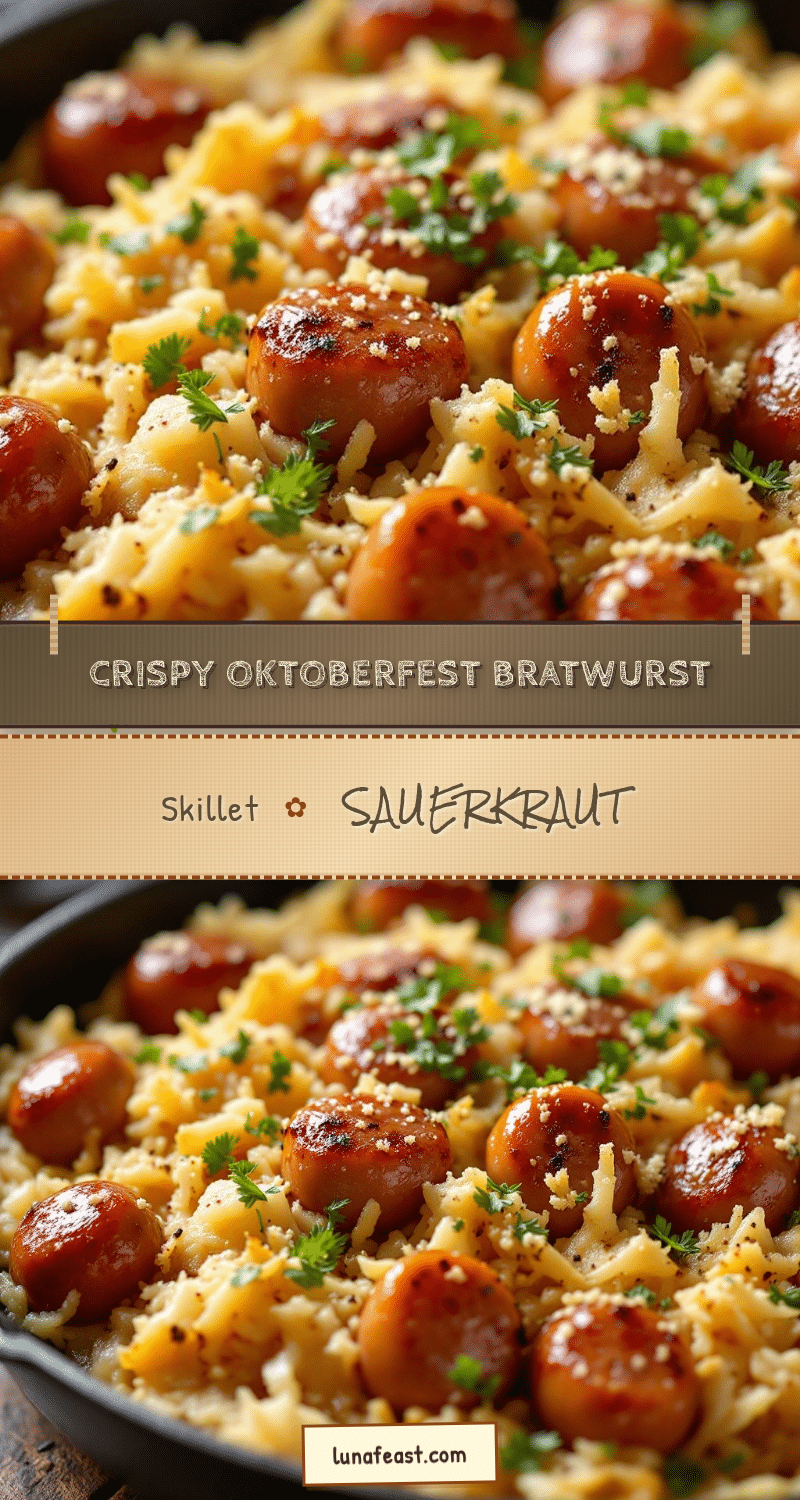
Crispy Oktoberfest Bratwurst and Sauerkraut Skillet

A hearty one-pan meal featuring high-quality raw pork bratwurst seared to a crispy golden crust, simmered in dark lager with caramelized onions, tangy sauerkraut, and caraway seeds for a perfect balance of texture and flavor.
- Prep Time: 5 minutes
- Cook Time: 35 minutes
- Total Time: 40 minutes
- Yield: 4 servings 1x
- Category: Main Course
- Cuisine: German
Ingredients
- 4–6 raw pork bratwursts (high quality, not pre-cooked)
- 2 large yellow onions, sliced into half-moons
- 16 oz sauerkraut, drained and rinsed lightly
- 1 cup dark lager or Helles beer
- 2 cloves garlic, minced
- 1 teaspoon caraway seeds
- 1 tablespoon olive oil
- 1 tablespoon butter
- 1 teaspoon Dijon mustard (for serving)
- Salt and pepper to taste
Instructions
- Slice the yellow onions into thin half-moons and mince the garlic. Drain the sauerkraut in a colander, shaking off excess liquid. Pat the bratwursts dry with paper towels.
- Place a cast iron skillet over medium-high heat. Add olive oil and butter, letting the butter melt and foam without burning.
- Sear the bratwursts in the hot skillet for 2-3 minutes on each side until a deep golden-brown crust forms. Remove sausages to a plate and set aside.
- Reduce heat to medium. Add sliced onions to the skillet with the sausage fat. Sprinkle with salt and cook for 7 minutes until soft and translucent.
- Add minced garlic and caraway seeds to the onions in the last minute of cooking, stirring constantly.
- Add the drained sauerkraut to the skillet and stir to combine. Cook for 2-3 minutes to heat through.
- Pour in the beer, scraping the bottom of the pan to release browned bits. Return the seared sausages to the skillet, nestling them into the mixture.
- Bring to a simmer, then reduce heat to low. Cover with a lid and simmer gently for 15 minutes.
- Remove the lid, increase heat to medium, and let the liquid reduce until a thick sauce coats the sausages. Flip sausages to crisp all sides.
- Remove from heat and let rest for 2-3 minutes before serving with mustard and crusty bread.
Notes
Ensure sausages are dry before searing for best crust. Do not overcrowd the pan. If using pre-cooked brats, the skin will not crisp properly. Rinsing sauerkraut helps reduce sodium. Serve immediately for best texture.
Nutrition
- Serving Size: 2 sausages with saue
- Calories: 475
- Sugar: 6
- Sodium: 900
- Fat: 35
- Saturated Fat: 12
- Carbohydrates: 12
- Fiber: 4
- Protein: 28
Keywords: bratwurst, sauerkraut, skillet, Oktoberfest, German sausage, one pan meal, comfort food, pork, beer recipe, caraway seeds