The silkiness of a perfectly ripe Fuyu persimmon is what I made this for — everything else is secondary.
You know how some fruits fight you? Apples crunch. Grapes pop. But a persimmon? It surrenders. When you slice into one that has been resting just long enough, the flesh yields like soft butter. It doesn’t hold its shape so much as it flows onto your knife.
I first noticed this texture three years ago at a farmers market in Sonoma. The vendor was holding a basket of these orange orbs, warning everyone they were astringent if eaten too soon. But she had one sitting on the counter, slightly translucent, that looked like it held sunlight inside.
I bit into it, expecting tartness. Instead, I got a mouthful of sweet, custard-like orange jelly. It was weirdly comforting, like eating a dessert that forgot it was supposed to be savory. That’s the secret to this creamy persimmon and pomegranate fall salad. It isn’t about crunch or noise. It’s about that quiet, yielding softness.
I started playing with it because I wanted a side dish that felt luxurious without requiring an hour at the stove. Most fall salads are roasted vegetables. Heavy. Hot. Soggy by the time you get home. This one is different. It relies on the natural creaminess of the fruit to replace heavy dressings or cheeses.
The pomegranate seeds provide the only resistance, those little bursts of tart juice that cut through the persimmon’s sugar. It’s a balance I’ve been chasing ever since that first bite.
I bring this to every gathering now. People ask for the recipe, but they really want to know how I made it so smooth. I tell them it’s not a technique. It’s patience. Letting the fruit ripen until it’s almost too soft. Trusting that the texture is the star.
It’s the kind of salad you eat slowly. You don’t shovel it into your mouth. You let it melt. That’s why I love it. It slows down the meal. It makes you pay attention to what you’re eating. And honestly, who doesn’t need more of that in their life?
Why You’ll Love This Recipe
This isn’t just another leafy green salad that wilts before you reach the table. This creamy persimmon and pomegranate fall salad is a study in contrasts that actually works. I’ve tested this version dozens of times, tweaking the ratios of acid to sweet, and I’m confident this is the one that will win over even the skeptics at your table.
Here is why this recipe has earned a permanent spot in my weekly rotation:
* **Quick & Easy**: You don’t need to turn on the oven. This comes together in under 10 minutes. It is perfect for busy weeknights when you want something fresh but have zero energy to cook.
* **Simple Ingredients**: You likely already have most of this in your kitchen. Persimmons, pomegranates, nuts, and a simple vinaigrette. No fancy grocery trips needed.
* **Perfect for Fall Entertaining**: It looks stunning on a platter. The bright orange and deep red colors are inherently festive. Great for holiday brunches, autumn dinners, or even as a light lunch.
* **Crowd-Pleaser**: The texture is so unique that people are intrigued. Kids usually love the sweetness, while adults appreciate the sophisticated balance of flavors. It always gets rave reviews.
* **Unbelievably Delicious**: The texture and flavor combo is next-level comfort food without the heaviness. The persimmon acts as a natural binder, creating a creamy mouthfeel that feels indulgent.
What makes this recipe different from the rest is the absence of heavy dressings. Most fall salads rely on creamy dressings to feel “rich.” Here, the richness comes from the fruit itself. I’ve found that using slightly overripe Fuyu persimmons creates a natural emulsion when tossed with the pomegranate juice. It’s a trick I learned while trying to reduce dairy in my cooking.
This recipe isn’t just good—it is the kind that makes you close your eyes after the first bite. It’s comfort food reimagined—healthier, faster, but with the same soul-soothing satisfaction. It’s perfect for impressing guests without stress, or turning a simple meal into something memorable.
If you are looking for other easy, seasonal sides that don’t require much effort, you might also enjoy my ultimate loaded baked potato salad. Both dishes rely on simple ingredients to create big, satisfying flavors that pair well with main courses.
What Ingredients You Will Need
This recipe uses simple, wholesome ingredients to deliver bold flavor and satisfying texture without the fuss. The magic lies in the quality of the fruit. You want persimmons that are fully ripe—they should feel slightly soft to the touch, like a ripe avocado. If they are firm, they will be astringent and bitter.
Here is what you need to gather:
* **Persimmons**: Use Fuyu persimmons, which are squat and tomato-shaped. They are safe to eat while still firm, but for this creamy salad, you want them very soft. Two large persimmons will yield enough flesh for this salad. Look for smooth, orange skin with no brown spots.
* **Pomegranate Seeds**: You can buy pre-seeded pomegranates to save time, or do it yourself. Buying them whole and seeding them fresh ensures the best flavor and color. The seeds add a crucial tartness to balance the sweet fruit.
* **Walnuts**: Toasted walnuts add a necessary crunch. I prefer English walnuts for their mild flavor. If you have a nut allergy, you can skip these, but the texture will suffer.
* **Fresh Herbs**: Mint or basil works beautifully here. Mint adds a cooling contrast, while basil adds a peppery note. Fresh is non-negotiable; dried herbs will not provide the same brightness.
* **Olive Oil**: Use a high-quality extra virgin olive oil. It forms the base of the dressing and carries the flavors. A fruity oil pairs best with the sweet fruit.
* **Lemon Juice**: Freshly squeezed lemon juice is essential. It prevents the persimmon from oxidizing and turning brown, and it adds the acid needed to cut through the sweetness.
* **Honey**: A small amount of honey helps balance the acidity of the lemon and the tartness of the pomegranate. Adjust based on how sweet your persimmons are.
* **Salt and Pepper**: Flaky sea salt is best for finishing. It adds a nice crunch and enhances the natural sweetness of the fruit.
For the best texture, I recommend looking for firm, small-curd cottage cheese if you decide to add it, though this recipe is naturally dairy-free. In summer, swap in fresh berries instead of pomegranates if you want a different profile, but for fall, the pomegranate is unmatched.
Equipment Needed
You don’t need much for this salad, which is part of its appeal. A large mixing bowl is the most important tool. I prefer a wide bowl so the ingredients can be tossed gently without crushing the fruit.
A medium-sized bowl is also helpful for mixing the dressing separately. This ensures the flavors are well combined before they touch the delicate persimmons.
For the nuts, a small skillet is useful for toasting them. This step adds depth of flavor that raw nuts simply don’t have. If you don’t want to use a skillet, you can toast them in a dry oven-safe dish at 350°F for 5-7 minutes.
A microplane or fine grater is nice for zesting the lemon if you want to add a bit of citrus aroma to the dressing. It’s optional, but it adds a professional touch.
Lastly, a sharp knife is essential for slicing the persimmons. A dull knife will mash the fruit rather than cutting it cleanly. I always keep a good chef’s knife within reach for fruit prep.
Budget-friendly options include using a standard salad spinner if you want to add greens, but for this specific creamy salad, a bowl and spoon are sufficient. The equipment list is minimal, keeping cleanup fast and easy.
Preparation Method
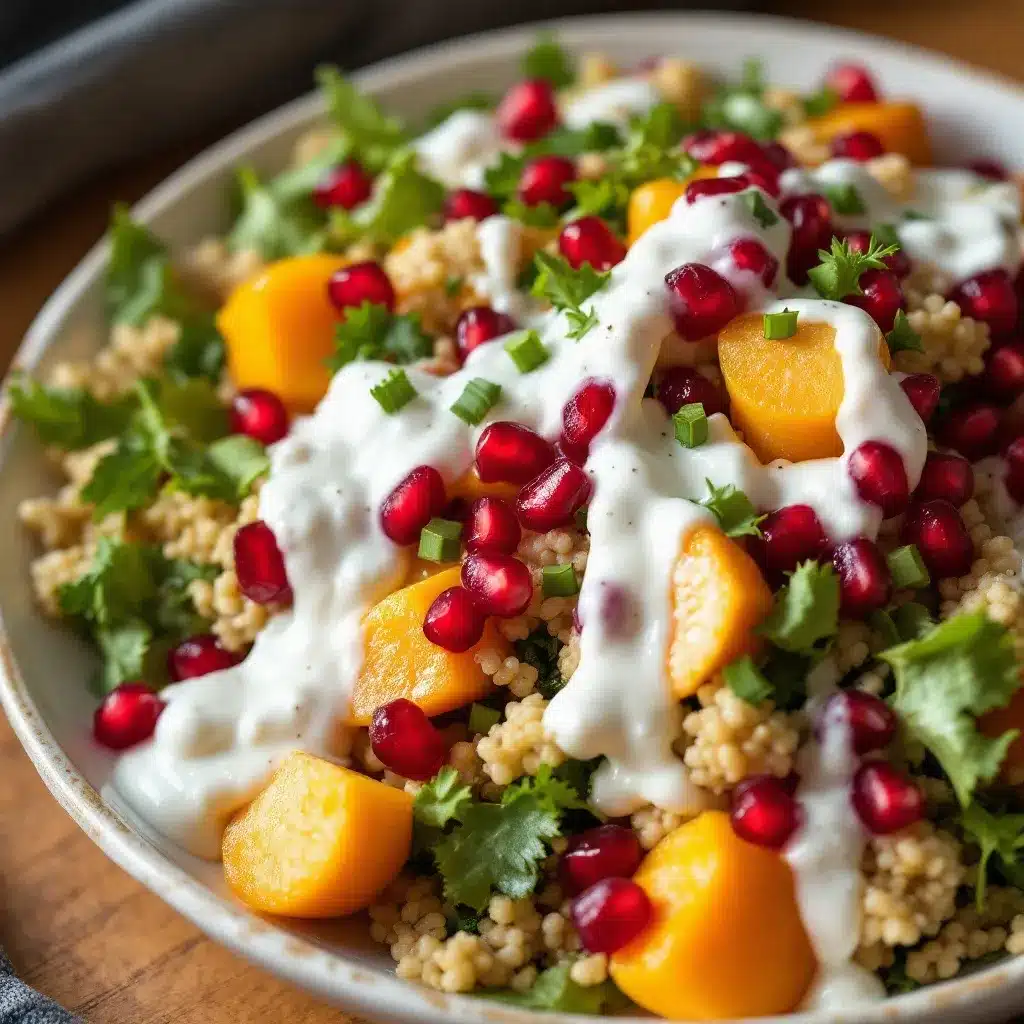
Getting the texture right is the main challenge here. You want the persimmon to be creamy but not mushy. Here is how to do it step by step.
1. **Prep the Persimmons (5 minutes)**: Wash the persimmons thoroughly. If they are very soft, handle them gently. Peel the skin off. The skin can be tough and bitter. Slice the flesh into half-inch cubes or thin slices. If the fruit is very ripe, you can scoop the flesh out with a spoon instead of cutting it. Place the cut fruit in a large bowl.
2. **Toast the Walnuts (5 minutes)**: Heat a small skillet over medium heat. Add the walnuts in a single layer. Toast them, stirring frequently, until they are fragrant and slightly darkened. This usually takes about 3-4 minutes. Be careful not to burn them, as they can go from toasted to bitter quickly. Let them cool completely before adding to the salad. This prevents them from getting soggy.
3. **Make the Dressing (2 minutes)**: In a medium bowl, whisk together the olive oil, lemon juice, honey, salt, and pepper. Whisk until the mixture is emulsified and slightly thickened. The acid in the lemon will help keep the persimmon bright orange. Taste and adjust the sweetness if needed.
4. **Combine the Fruit (3 minutes)**: Pour the dressing over the persimmons. Use a gentle hand here. You want to coat the fruit, not crush it. Toss the salad with a large spoon or your hands if you are comfortable. The natural pectin in the persimmon will help the dressing cling to the fruit, creating that creamy texture.
5. **Add the Pomegranate and Herbs (1 minute)**: Sprinkle the pomegranate seeds over the top. Add the chopped fresh herbs. Toss very lightly one more time to distribute the seeds. The pomegranate seeds are delicate, so avoid vigorous stirring.
6. **Finish and Serve**: Scatter the toasted walnuts over the top. Drizzle with a little extra olive oil if desired. Serve immediately. The salad is best when the persimmon is still firm enough to hold its shape but soft enough to melt in your mouth.
If the persimmons seem too firm, let them sit at room temperature for an hour before serving. They will soften slightly. If they are too soft, add more walnuts for crunch.
Cooking Tips & Techniques
The biggest mistake people make with persimmons is eating them when they are underripe. This causes a dry, astringent sensation in your mouth that is unpleasant. Always check the softness. If it feels like a rock, it’s not ready.
Another common error is over-mixing. Persimmon flesh breaks down easily. If you stir too hard, you end up with a fruit puree rather than a salad. Treat the fruit like eggs when folding them into a mixture. Gentle motions only.
I once tried to use Hachi persimmons for this salad. They are smaller and firmer than Fuyu. While delicious, they didn’t break down the same way. For this specific creamy texture, stick to Fuyu persimmons. They have the right water content and sugar level.
Timing is also key. Make the dressing right before you toss it with the fruit. If you let the salad sit too long, the acid will start to break down the fruit cells, making it watery. It’s best served fresh.
Multitasking strategy: Toast the nuts while the persimmons are resting. This saves time and ensures the nuts are ready to go as soon as the fruit is prepped.
For consistency, use the same type of olive oil every time. Different oils have different flavors, and you want the persimmon to be the star. A neutral or mild extra virgin olive oil works best.
Variations & Adaptations
This recipe is quite flexible. Here are a few ways to adapt it to your taste or dietary needs.
**Dairy-Free Option**: This recipe is naturally dairy-free. If you want to add creaminess, you can crumble in some goat cheese or feta. These cheeses pair beautifully with the fruit and add a salty contrast.
**Gluten-Free**: This salad is naturally gluten-free. Just ensure your nuts are processed in a gluten-free facility if you have a severe allergy.
**Seasonal Swap**: If persimmons are out of season, you can use ripe peaches or nectarines. They have a similar texture and sweetness. The dressing will still work well.
**Nut-Free**: Skip the walnuts and add pumpkin seeds or sunflower seeds. They provide a nice crunch without the nut flavor.
**Herb Swap**: If you don’t like mint, try thyme. It adds an earthy note that complements the fall theme.
I once tried adding a bit of chili flakes to the dressing. It created a sweet and spicy profile that was surprisingly good. It’s worth experimenting with heat if you like bold flavors.
For a heartier meal, add roasted chickpeas. They add protein and a different kind of crunch. This makes the salad more filling for lunch.
Serving & Storage Suggestions
Serve this salad at room temperature. Cold persimmons lose some of their aroma and sweetness. Let it sit on the counter for 15 minutes after making it.
It pairs well with roasted meats, especially pork or chicken. The acidity cuts through the richness of the meat. It also goes well with grain bowls, like my cozy fall harvest grain bowl. The flavors complement each other without competing.
For storage, keep the salad in an airtight container in the refrigerator. However, it is best eaten within 24 hours. The persimmons will continue to break down, and the texture will change.
If you have leftovers, try using the fruit in a smoothie. Blend it with yogurt and banana for a sweet treat. The pomegranate seeds can be saved and used as a garnish for other dishes.
The flavors develop slightly over time, becoming more melded. But the crunch of the nuts and seeds will diminish. So, enjoy it fresh for the best experience.
Nutritional Information & Benefits
This salad is packed with vitamins and antioxidants. Persimmons are high in vitamin C and fiber, which supports digestion and immune health. Pomegranates are known for their antioxidant properties, which help reduce inflammation.
Walnuts provide healthy omega-3 fatty acids, which are good for heart and brain health. The herbs add additional phytonutrients and flavor without adding calories.
This recipe is gluten-free, dairy-free, and vegan-friendly. It is also low in saturated fat. It’s a great option for those looking to eat lighter during the fall season.
One serving provides a good balance of carbohydrates, fiber, and healthy fats. It’s a satisfying side dish that won’t leave you feeling heavy.
I appreciate that it offers wellness benefits without tasting like medicine. The natural sweetness means you don’t need added sugar, which is a win for blood sugar management.
Conclusion
This creamy persimmon and pomegranate fall salad is worth trying because it offers a unique texture and flavor profile that stands out from typical fall dishes. It’s easy to make, visually stunning, and delicious.
I encourage you to customize it based on your preferences. Add cheese if you like it salty, or skip it for a pure fruit experience. The flexibility is part of its charm.
I love this recipe because it captures the essence of fall without the heaviness. It’s light, bright, and comforting all at once.
Please share your adaptations in the comments below. I’d love to hear how you tweaked it. Pin this recipe for later, and share it with friends who love seasonal cooking.
Enjoy the process of making it. The patience required is part of the reward.
Frequently Asked Questions
Can I use Hachi persimmons for this salad?
Hachi persimmons are firmer and less sweet than Fuyu persimmons. While they are edible, they won’t provide the same creamy texture. Fuyu is recommended for this specific recipe.
How do I know if a persimmon is ripe?
A ripe persimmon should feel slightly soft to the touch, like a ripe avocado. The skin should be bright orange and smooth. If it is hard, it is not ready.
Can I make this salad ahead of time?
It is best served fresh. If you must prep ahead, chop the fruit and make the dressing separately. Combine them just before serving to maintain the texture.
What nuts work best in this salad?
Walnuts are traditional and pair well with the fruit. Pecans or almonds are also good alternatives. Toasting them enhances the flavor.
Is this salad gluten-free?
Yes, this recipe is naturally gluten-free. Just ensure your nuts and other ingredients are certified gluten-free if you have celiac disease.
Pin This Recipe!
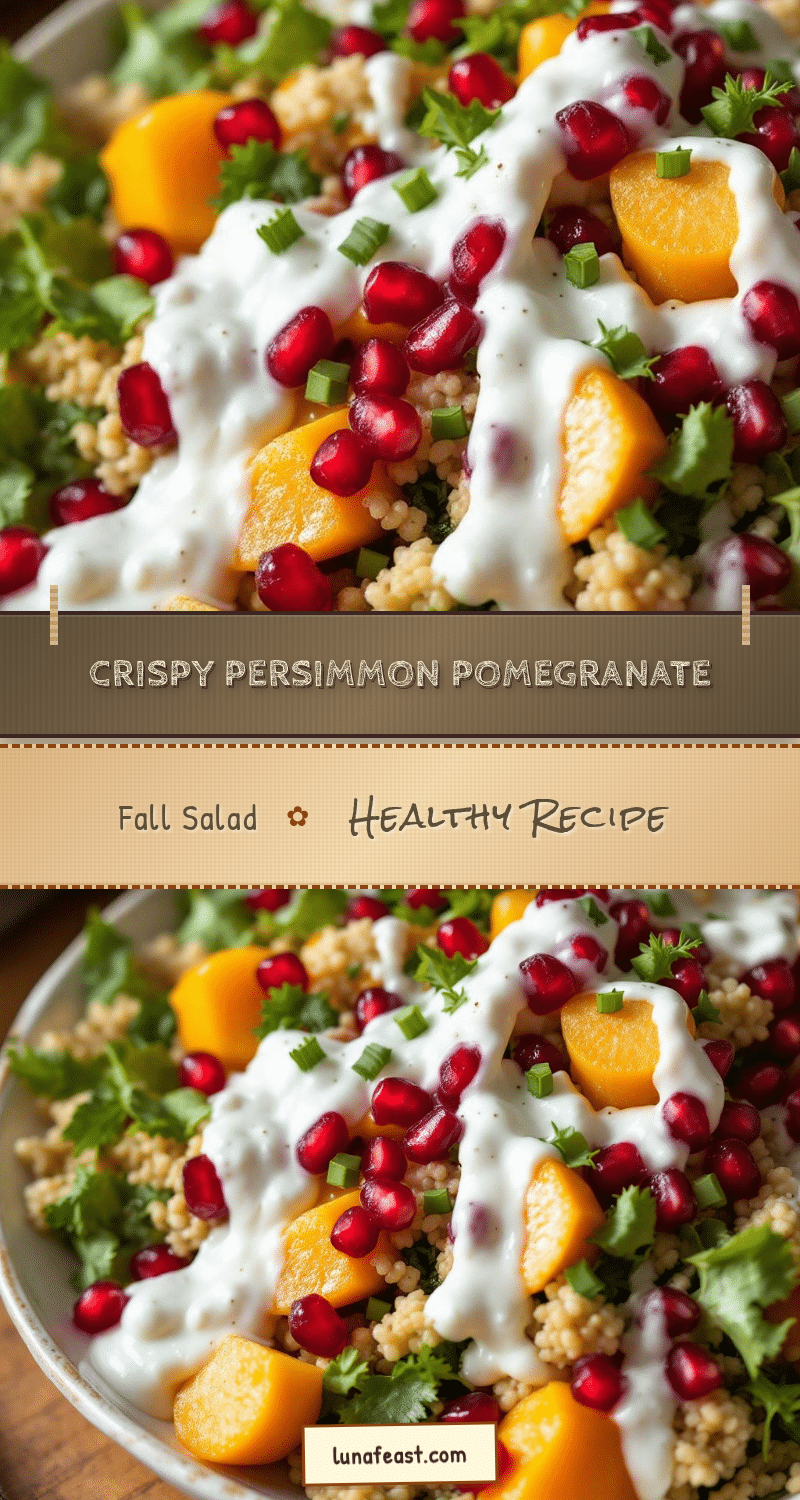
Creamy Persimmon and Pomegranate Fall Salad
A luxurious, dairy-free side dish featuring ripe Fuyu persimmons and tart pomegranate seeds, bound together by a simple vinaigrette for a creamy texture without heavy dressings.
- Prep Time: 10 minutes
- Cook Time: 5 minutes
- Total Time: 15 minutes
- Yield: 4 servings 1x
- Category: Side Dish
- Cuisine: American
Ingredients
- 2 large ripe Fuyu persimmons
- 1 cup pomegranate seeds
- 1/2 cup walnuts, toasted
- 2 tablespoons fresh mint or basil, chopped
- 3 tablespoons extra virgin olive oil
- 1 tablespoon fresh lemon juice
- 1 teaspoon honey
- Flaky sea salt, to taste
- Black pepper, to taste
Instructions
- Wash persimmons and peel off the skin. Slice the flesh into half-inch cubes or thin slices and place in a large bowl.
- Toast walnuts in a small skillet over medium heat for 3-4 minutes until fragrant and slightly darkened. Let cool completely.
- In a medium bowl, whisk together olive oil, lemon juice, honey, salt, and pepper until emulsified.
- Pour the dressing over the persimmons and gently toss to coat without crushing the fruit.
- Sprinkle pomegranate seeds and chopped herbs over the salad and toss very lightly.
- Scatter toasted walnuts over the top and serve immediately at room temperature.
Notes
Ensure persimmons are very soft and ripe for the best creamy texture. Do not over-mix to avoid turning the fruit into a puree. Serve at room temperature for best flavor. If using Hachi persimmons, note they are firmer and less sweet than Fuyu.
Nutrition
- Serving Size: 1 bowl
- Calories: 180
- Sugar: 10
- Sodium: 120
- Fat: 14
- Saturated Fat: 1.5
- Carbohydrates: 16
- Fiber: 4
- Protein: 3
Keywords: persimmon salad, pomegranate salad, fall side dish, dairy-free salad, vegan salad, easy salad, healthy fall recipes, Fuyu persimmon