I had been looking for a weeknight salmon recipe that actually turned out flaky and tender, not dry or bland, without requiring a marinade or a sous vide machine. For a while, I just accepted that baked salmon was going to be a bit of a gamble—sometimes it was perfect, other times it was a sad, overcooked filet that needed a lot of lemon juice to rescue it. I tried foil packets, high-heat blasts, and even those expensive cedar planks. Nothing stuck until I stopped trying to be clever and just paid attention to the butter.
It was a Tuesday, honestly. I had a couple of salmon filets thawing in the fridge, a lemon rolling around in the fruit bowl, and a stick of butter that needed using up. I was tired, the kind of tired where you just want dinner to happen without a lot of fuss. So I melted some butter, squeezed in the lemon, threw in some garlic, and poured it over the fish. No complicated steps, no fancy technique. I just wanted it to be good. And you know what? It was. It was the kind of good that made me stop scrolling on my phone and actually pay attention to what I was eating. The butter basted the fish as it baked, keeping it impossibly moist, and the garlic and lemon did exactly what they were supposed to do—bright and savory without being sharp.
That first bite was a quiet realization. This wasn’t a compromise meal. It was the meal. I’ve made it at least once a week ever since, tweaking the garlic ratio and figuring out the exact timing for my oven. It’s become my go-to for those nights when I need dinner to feel like a small victory, not a chore. It’s the recipe that proved to me that simple, done right, is always better than complicated, done wrong.
Why You’ll Love This Recipe
This Easy Baked Salmon with Lemon Garlic Butter has earned a permanent spot in my weekly dinner rotation, and I think it will in yours too. It’s not just another fish recipe—it’s the one I turn to when I need a guaranteed win.
- Quick & Easy : From start to finish, this meal comes together in under 25 minutes. It’s perfect for those busy weeknights when you want something that feels special but doesn’t require a lot of effort. You can prep the butter sauce while the oven preheats.
- Simple Ingredients : You likely have everything you need in your kitchen right now. Salmon, butter, lemon, garlic, salt, and pepper. No trips to a specialty grocery store, no hunting for obscure spices. It’s pantry-friendly and budget-conscious.
- Perfect for Any Occasion : This recipe is versatile enough for a quick Tuesday dinner, a healthy meal prep Sunday, or even a casual dinner party. It looks impressive on the plate but takes almost no effort to pull off.
- Crowd-Pleaser : Even people who claim they “don’t like fish” have asked me for seconds of this. The buttery, garlicky sauce is the great equalizer. It coats the salmon in a way that feels indulgent without being heavy.
- Unbelievably Delicious : The magic here is in the simplicity. The butter bastes the fish as it bakes, creating a tender, flaky texture that melts in your mouth. The lemon keeps it bright, and the garlic adds that savory depth that makes everything better.
What makes this recipe different from the rest is the technique of pouring the melted butter sauce over the salmon before baking, rather than just brushing it on. This creates a little pool of sauce in the dish that the fish essentially poaches in, guaranteeing it stays moist and flavorful. It’s a small detail that makes a huge difference. This isn’t just a recipe; it’s the kind of dinner that makes you close your eyes after the first bite, even if you’re just eating it at your kitchen counter in your sweatpants.
What Ingredients You Will Need
This recipe uses simple, wholesome ingredients to deliver bold flavor and satisfying texture without the fuss. Each component plays a specific role in creating that perfect balance of rich, bright, and savory.
- Salmon Fillets (4 fillets, about 6 oz / 170g each) : Look for center-cut fillets that are roughly the same thickness so they cook evenly. I prefer wild-caught salmon when I can find it (it has a cleaner flavor and firmer texture), but good-quality farmed salmon works beautifully here too. Make sure the fillets are patted dry with a paper towel before seasoning—this helps the butter sauce cling to the fish.
- Unsalted Butter (1/2 cup / 1 stick / 113g) : Butter is the backbone of this sauce. I use unsalted so I can control the salt level myself. If you only have salted butter on hand, just reduce the added salt in the recipe by a pinch.
- Fresh Garlic (4-5 cloves, minced) : Please, please use fresh garlic here. The pre-minced stuff in a jar has a different flavor—more sharp and less sweet. Fresh garlic mellows as it bakes in the butter, becoming fragrant and almost nutty. I usually go with 5 cloves because I love garlic, but 4 is perfectly fine for a milder flavor.
- Fresh Lemon (1 large lemon) : You’ll need both the zest and the juice. The zest adds a bright, aromatic lemon flavor that the juice alone can’t provide. Roll the lemon on the counter before juicing to get the most juice out of it. I recommend using a whole lemon for the juice and zest, then saving a few thin slices for the top of the fish before baking—it looks pretty and adds extra flavor.
- Dijon Mustard (1 teaspoon) : This is my secret ingredient. Don’t skip it! A tiny bit of Dijon doesn’t make the sauce taste like mustard; it emulsifies the butter and lemon juice so the sauce is silky and smooth instead of separating. It also adds a subtle tang that brightens everything up.
- Dried Dill (1/2 teaspoon) : Dill and salmon are a classic pairing. Dried dill works perfectly here because it rehydrates in the butter sauce. If you have fresh dill, use about 1 tablespoon, chopped, and stir it in right before serving for a fresh pop of flavor and color.
- Salt and Black Pepper : Use a good quality kosher salt for seasoning. I season the salmon fillets directly before pouring the sauce over them. Freshly cracked black pepper makes a difference here.
- Optional Garnish : Fresh parsley or fresh dill, lemon slices, and a pinch of red pepper flakes for a tiny bit of heat.
Equipment Needed
You don’t need a lot of fancy equipment for this recipe, which is part of why I love it so much.
- Baking Dish (9×13 inch or similar) : A glass or ceramic baking dish works best. You want something that can hold the salmon fillets in a single layer with a little space around each one. I use my standard 9×13 inch Pyrex dish.
- Small Saucepan : For melting the butter and simmering the garlic. A small saucepan is ideal, but you could also do this in a microwave-safe bowl in 30-second bursts.
- Microplane or Zester : For zesting the lemon. A fine grater works too. Just be careful to only get the yellow part of the peel—the white pith is bitter.
- Chef’s Knife and Cutting Board : For mincing the garlic and chopping any fresh herbs.
- Measuring Spoons and Liquid Measuring Cup : For accuracy with the butter, lemon juice, and seasonings.
- Paper Towels : Essential for patting the salmon dry. Don’t skip this step—it helps the seasoning stick and ensures a better texture.
- Instant-Read Thermometer (Optional but Recommended) : If you’re nervous about overcooking salmon, this is your best friend. Salmon is perfectly cooked at an internal temperature of 125°F to 130°F (52°C to 54°C) for medium, or 135°F to 140°F (57°C to 60°C) for well-done.
If you don’t have a baking dish, you can use a rimmed baking sheet lined with foil or parchment paper. Just fold up the edges of the foil slightly to create a little rim to keep the butter sauce from spilling everywhere.
Preparation Method
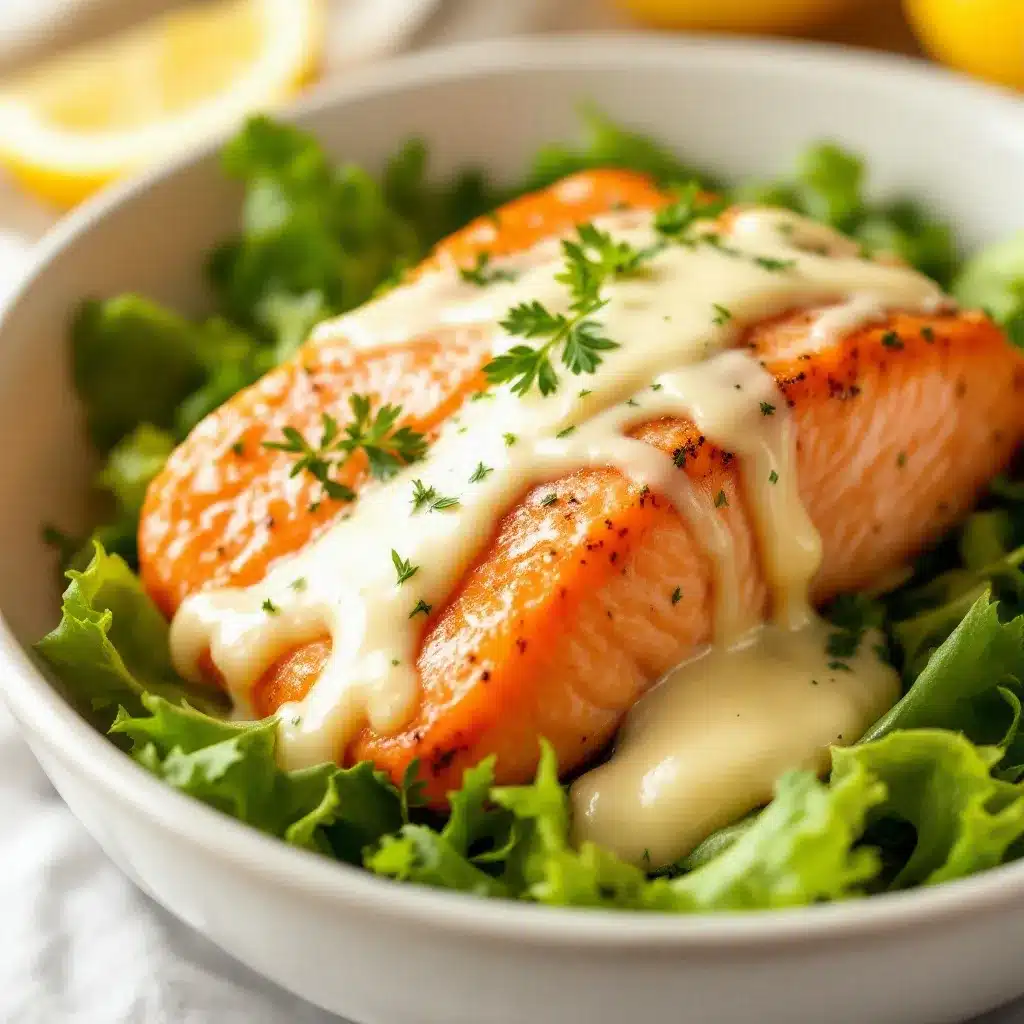
Let’s get cooking. This entire process takes about 25 minutes, and most of that is hands-off oven time.
- Preheat and Prep : Preheat your oven to 400°F (200°C). While the oven is heating, take your salmon fillets out of the fridge and let them sit on the counter for about 10 minutes. This takes the chill off and helps them cook more evenly. Pat the fillets dry with paper towels on both sides. This step is non-negotiable for getting that nice, non-soggy exterior.
- Make the Lemon Garlic Butter : In a small saucepan over medium-low heat, melt the 1/2 cup (1 stick) of unsalted butter. Once melted, add the minced garlic (4-5 cloves) and cook for about 1 minute, stirring constantly. You want the garlic to become fragrant, not brown. If it starts to brown, the heat is too high—pull the pan off the burner for a few seconds. Remove the pan from the heat and stir in the zest of 1 lemon, the juice of that same lemon (about 2-3 tablespoons), 1 teaspoon of Dijon mustard, and 1/2 teaspoon of dried dill. Whisk it all together until the mustard is fully incorporated and the sauce looks smooth and glossy.
- Season the Salmon : Place the salmon fillets in your baking dish, skin-side down (if your fillets have skin). Season the tops of the fillets generously with kosher salt and freshly cracked black pepper. Don’t be shy with the salt—it’s the main seasoning for the fish itself.
- Pour and Baste : Pour the warm lemon garlic butter sauce evenly over the salmon fillets. Make sure each fillet gets a good coating. If you have some thin lemon slices, you can tuck a slice or two under each fillet or lay one on top for extra lemon flavor and a pretty presentation. The sauce will pool around the fillets in the dish, and that’s exactly what you want.
- Bake : Place the baking dish in the preheated oven and bake for 12-15 minutes, depending on the thickness of your fillets. For standard 1-inch thick fillets, 13 minutes is usually perfect. The salmon is done when it flakes easily with a fork and the center is slightly translucent (for medium) or opaque (for well-done). If you’re using a thermometer, look for 125°F to 130°F (52°C to 54°C) in the thickest part for medium. Important: Do not overbake. Salmon goes from perfectly moist to dry and chalky very quickly. When in doubt, take it out a minute early—it will continue to cook from residual heat.
- Rest and Serve : Once the salmon is out of the oven, let it rest in the dish for 2-3 minutes. This allows the juices to redistribute. Spoon some of the pan butter sauce over the fillets before serving. Garnish with fresh parsley or fresh dill and a pinch of red pepper flakes if you like a little heat. Serve immediately.
Sensory Cue: When the salmon is done, you’ll see the white protein (albumin) beginning to form tiny white beads on the surface. That’s a good indicator it’s nearly there. The butter sauce will be bubbling gently around the edges of the dish, and the garlic will smell fragrant and sweet, not sharp.
Cooking Tips & Techniques
After making this Easy Baked Salmon with Lemon Garlic Butter more times than I can count, I’ve learned a few things the hard way. Let me save you some trouble.
Don’t crowd the pan. Give each fillet a little breathing room. If they’re touching, they’ll steam instead of bake, and you’ll lose that nice, tender texture you’re after. If you have more than 4 fillets, use two baking dishes or bake in batches.
The butter sauce is everything. I once tried to cut calories by using half the butter. It wasn’t the same. The butter does double duty here—it adds flavor, yes, but it also acts as a poaching medium that keeps the salmon incredibly moist. If you want to reduce the richness, you can add a splash of chicken broth or white wine to the butter sauce, but don’t reduce the total liquid volume.
Watch your garlic. Burnt garlic is bitter and will ruin the whole dish. When you’re melting the butter and cooking the garlic, keep the heat low and stir constantly. You want the garlic to soften and become fragrant, which takes about 60 seconds. The moment you smell that sweet, nutty garlic aroma, pull the pan off the heat.
Room temperature matters. I’ve made the mistake of putting cold, straight-from-the-fridge salmon into the oven. The outside cooks faster than the inside, and you end up with dry edges and a cool center. Letting the fillets sit at room temperature for 10 minutes before baking is a small step that makes a big difference in even cooking.
Leftover sauce is a gift. Don’t throw away the butter sauce in the pan after you’ve eaten the salmon. It’s incredible drizzled over steamed vegetables, rice, or even crusty bread. I often make extra sauce on purpose just for this.
One of my biggest failures: The first time I made this, I used a glass baking dish straight from the fridge (I had chilled it for something else). The thermal shock from the hot butter hitting the cold dish caused the dish to crack. Lesson learned: always start with a room-temperature or warm baking dish.
Variations & Adaptations
This recipe is incredibly flexible. Here are a few ways I’ve adapted it over the years.
- Spicy Lemon Garlic Butter : Add 1/2 teaspoon of red pepper flakes or a minced fresh chili (like a serrano or Thai bird chili) to the butter when you add the garlic. The heat infuses into the butter and gives the salmon a lovely, subtle kick without overwhelming the other flavors.
- Herb-Crusted Version : Before pouring the butter sauce over the salmon, mix 2 tablespoons of panko breadcrumbs with 1 tablespoon of chopped fresh parsley and a pinch of lemon zest. Sprinkle this over the sauced fillets before baking. It creates a light, crispy topping that adds a wonderful textural contrast to the tender fish.
- Lemon Garlic Butter Salmon with Vegetables : Add a bed of asparagus spears, green beans, or broccoli florets to the baking dish around the salmon before pouring the sauce. The vegetables will roast in the buttery sauce and become incredibly flavorful. Just make sure the vegetable pieces are roughly the same size so they cook evenly. This turns the dish into a complete one-pan meal.
- Dairy-Free Adaptation : Substitute the butter with a high-quality vegan butter or ghee (if you can tolerate dairy, ghee is lactose-free). I’ve used a good olive oil-based vegan butter and it worked surprisingly well, though the sauce won’t be quite as rich. You can also use a combination of olive oil and coconut cream for a different but delicious flavor profile.
- Maple Dijon Twist : For a sweet and savory variation, add 1 tablespoon of pure maple syrup to the butter sauce along with the Dijon mustard. The maple syrup caramelizes slightly in the oven, creating a beautiful glaze on the salmon. This is my go-to version for serving to guests who claim they don’t like fish—it’s that good.
Serving & Storage Suggestions
This salmon is best served warm, straight from the oven, with a generous spoonful of the pan butter sauce drizzled over the top.
Serving Ideas: I love serving this with simple sides that let the salmon shine. A bed of fluffy white rice or quinoa is perfect for soaking up the extra butter sauce. Steamed asparagus or roasted green beans are classic pairings. For a lighter meal, serve it over a bed of fresh arugula or mixed greens dressed with a simple lemon vinaigrette. The warm salmon wilts the greens slightly, and the butter sauce acts as an incredible dressing. If you’re looking for something heartier, try it alongside a creamy loaded baked potato salad for a truly satisfying dinner.
Storage: Leftover baked salmon can be stored in an airtight container in the refrigerator for up to 3 days. The flavor actually deepens and the garlic mellows overnight, so leftovers are still delicious. However, salmon is at its absolute best the day it’s made.
Reheating: The key to reheating salmon without drying it out is gentle heat. I recommend reheating it in a low oven (300°F / 150°C) for about 10 minutes, covered loosely with foil. You can also reheat it in a skillet over medium-low heat with a splash of water or broth, covered, for 3-4 minutes. The microwave is a last resort—it will cook the fish unevenly and can make it rubbery. If you must use the microwave, do it in 20-second bursts at 50% power.
Freezing: Cooked salmon freezes reasonably well for up to 2 months. Wrap each fillet individually in plastic wrap, then place them in a freezer-safe bag. Thaw overnight in the refrigerator before reheating. The texture will be slightly softer after freezing and thawing, but the flavor will still be excellent.
Flavor Development: The lemon garlic butter sauce develops more depth of flavor as it sits. Cold leftovers, straight from the fridge, have a more concentrated, almost confit-like quality that I actually really enjoy. Try flaking cold leftover salmon onto a salad for lunch the next day—it’s a game-changer.
Nutritional Information & Benefits
This Easy Baked Salmon with Lemon Garlic Butter is not just delicious—it’s also packed with nutrients that make it a smart choice for a healthy dinner.
Estimated Nutritional Values (per serving, based on 4 servings):
- Calories: 420-480
- Protein: 35-40g
- Fat: 30-35g
- Saturated Fat: 15-18g
- Carbohydrates: 2-3g
- Fiber: 0g
- Sugar: 1g
- Sodium: 400-500mg (varies based on salt used)
- Omega-3 Fatty Acids: 2-3g
Health Benefits: Salmon is one of the best sources of omega-3 fatty acids, which are essential for brain health, reducing inflammation, and supporting heart health. It’s also an excellent source of high-quality protein, B vitamins (especially B12 and B6), selenium, and potassium. The lemon adds a good dose of vitamin C, which aids in iron absorption from the fish. The garlic offers allicin, a compound known for its immune-boosting and anti-inflammatory properties. This is a meal that truly nourishes your body from the inside out.
Dietary Considerations: This recipe is naturally gluten-free, low-carb, keto-friendly, and nut-free. It’s also suitable for pescatarian diets. For dairy-free, simply substitute the butter with a high-quality vegan butter or ghee.
Potential Allergens: This recipe contains dairy (butter) and fish (salmon). It is free from common allergens like eggs, soy, peanuts, tree nuts, and gluten.
I love that this recipe feels indulgent but is actually incredibly good for you. It’s the kind of meal that makes you feel energized and satisfied, not sluggish. That’s a win in my book.
Conclusion
This Easy Baked Salmon with Lemon Garlic Butter is more than just a recipe—it’s a reliable, no-stress solution for those nights when you want something that feels special but doesn’t require a lot of effort. It’s proof that you don’t need complicated techniques or a long list of ingredients to create a meal that’s genuinely memorable.
I encourage you to make this recipe your own. Play with the herbs, adjust the garlic to your liking, or throw in some vegetables to make it a complete meal. The beauty of this dish is its flexibility. It’s forgiving, it’s fast, and it always delivers.
Honestly, this is the recipe I turn to when I need a win. It’s the one I make for myself on a quiet weeknight, for my family on a busy Tuesday, and for guests when I want to impress without stress. It’s become a staple in my kitchen for a reason, and I have a feeling it will become one in yours too.
Have you tried this recipe? I’d love to hear how it turned out for you! Drop a comment below and let me know if you added your own twist, or share your favorite side dish to serve alongside it. And if you loved it, don’t forget to pin it for later or share it with a friend who needs a new weeknight dinner idea. Happy cooking!
Frequently Asked Questions
Can I use frozen salmon for this recipe?
Yes, you can use frozen salmon, but you’ll need to thaw it completely first. The best method is to transfer the frozen fillets to the refrigerator 12-24 hours before you plan to cook them. Pat them very dry with paper towels before seasoning, as frozen salmon tends to release more water as it thaws. Do not try to bake frozen salmon directly—it will release too much water and steam instead of bake, resulting in a mushy texture.
How do I know when the salmon is fully cooked?
The most reliable way is to use an instant-read thermometer. Insert it into the thickest part of the fillet. For medium-rare, aim for 120-125°F (49-52°C). For medium (my personal favorite), aim for 125-130°F (52-54°C). For well-done, aim for 135-140°F (57-60°C). If you don’t have a thermometer, look for the salmon to flake easily with a fork. The flesh should be opaque and separate into flakes when gently pressed. The center should still be slightly translucent for medium, or fully opaque for well-done.
Can I make this recipe without the skin?
Absolutely. If your salmon fillets are skinless, just follow the recipe as written. The skin helps keep the fish moist during cooking, but the butter sauce does such a good job of basting the fish that it’s not essential. If you’re using skin-on fillets, you can either leave the skin on (it’s edible and gets crispy in the butter) or remove it after baking—it will slide right off once cooked.
What can I use instead of Dijon mustard?
If you don’t have Dijon mustard, you can substitute it with a pinch of dry mustard powder or a teaspoon of whole-grain mustard. The Dijon’s main job is to emulsify the butter and lemon juice, so plain yellow mustard will work in a pinch but will change the flavor slightly. You can also omit it entirely—the sauce just won’t be as smooth and may separate a little. It will still taste delicious.
How do I prevent the salmon from sticking to the baking dish?
The butter sauce in the dish naturally prevents most sticking, but if you’re concerned, you can line your baking dish with parchment paper or lightly grease it with a little extra butter or cooking spray before adding the salmon. If you’re using a non-stick baking dish, you shouldn’t have any issues at all. Just let the salmon rest for 2-3 minutes after baking before trying to lift it out—it will release more easily.
If you enjoyed this recipe, you might also love my quick one-pan honey garlic salmon with asparagus for another easy weeknight dinner idea. And for a completely different flavor profile, my juicy garlic butter chicken thighs are a fantastic option for when you’re in the mood for poultry instead of fish.
Pin This Recipe!
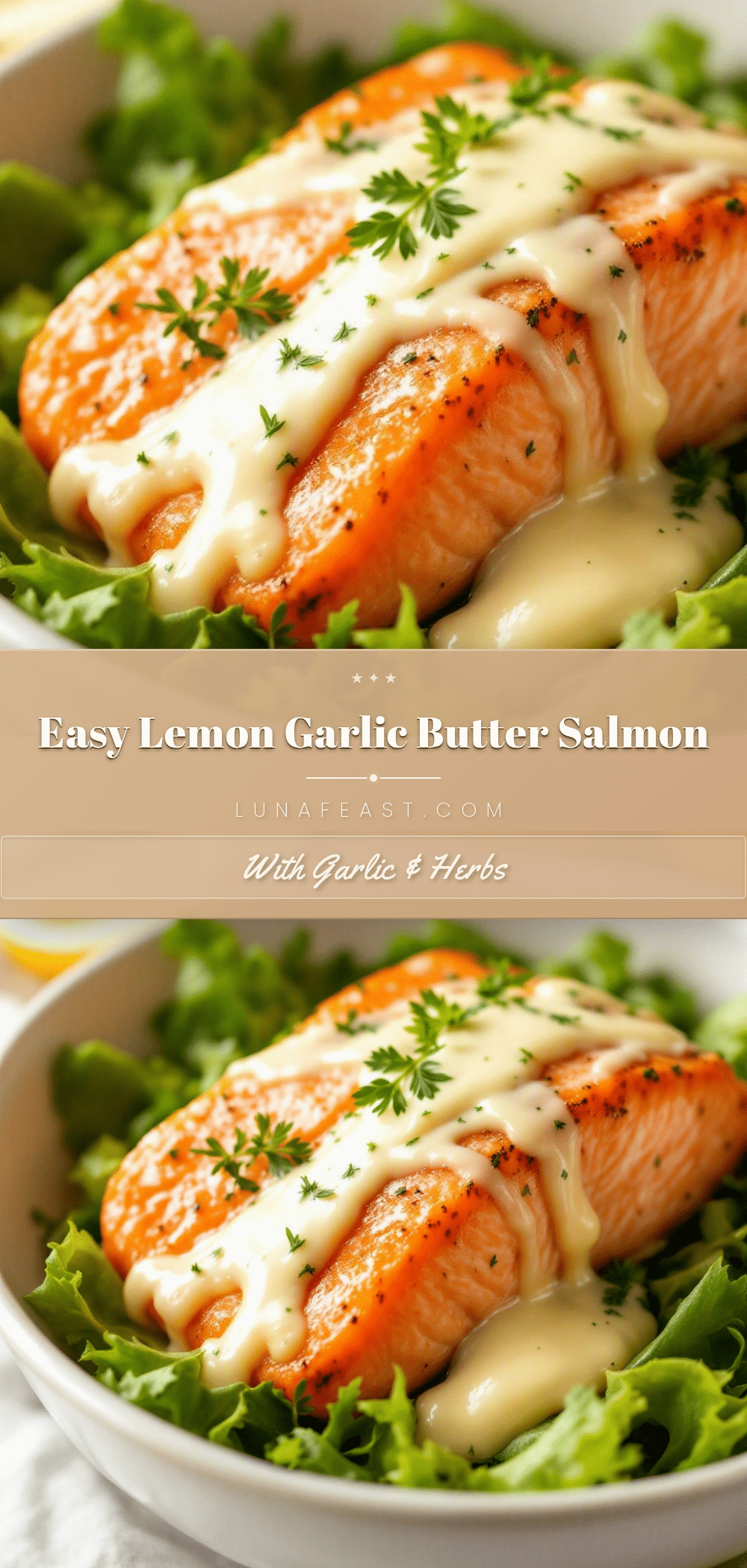
Easy Baked Salmon with Lemon Garlic Butter
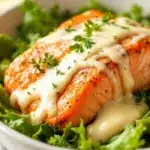
This Easy Baked Salmon with Lemon Garlic Butter is a quick, 25-minute weeknight dinner that turns out flaky and tender every time. The buttery, garlicky sauce bastes the fish as it bakes, creating a moist and flavorful meal that’s perfect for any occasion.
- Prep Time: 10 minutes
- Cook Time: 15 minutes
- Total Time: 25 minutes
- Yield: 4 servings 1x
- Category: Main Course
- Cuisine: American
Ingredients
- 4 salmon fillets (about 6 oz / 170g each)
- 1/2 cup (1 stick / 113g) unsalted butter
- 4–5 cloves garlic, minced
- 1 large lemon (zest and juice, plus thin slices for garnish)
- 1 teaspoon Dijon mustard
- 1/2 teaspoon dried dill
- Kosher salt and freshly cracked black pepper, to taste
- Optional garnish: fresh parsley or fresh dill, lemon slices, red pepper flakes
Instructions
- Preheat your oven to 400°F (200°C). Let the salmon fillets sit at room temperature for about 10 minutes. Pat them dry with paper towels on both sides.
- In a small saucepan over medium-low heat, melt the unsalted butter. Add the minced garlic and cook for about 1 minute, stirring constantly, until fragrant but not browned. Remove from heat.
- Stir in the lemon zest, lemon juice (about 2-3 tablespoons), Dijon mustard, and dried dill. Whisk until smooth and glossy.
- Place the salmon fillets in a 9×13-inch baking dish, skin-side down. Season the tops generously with kosher salt and black pepper.
- Pour the warm lemon garlic butter sauce evenly over the salmon fillets. Optionally, tuck thin lemon slices under or on top of the fillets.
- Bake for 12-15 minutes, depending on thickness, until the salmon flakes easily with a fork and reaches an internal temperature of 125-130°F (52-54°C) for medium. Do not overbake.
- Let the salmon rest in the dish for 2-3 minutes. Spoon pan sauce over the fillets, garnish with fresh herbs and red pepper flakes if desired, and serve immediately.
Notes
For best results, let salmon sit at room temperature for 10 minutes before baking. Do not crowd the pan; give each fillet space. The butter sauce is key—do not reduce it. Watch the garlic carefully to avoid burning. Leftover sauce is great on vegetables or rice. Reheat gently in a low oven or skillet to avoid drying out.
Nutrition
- Serving Size: 1 fillet with sauce
- Calories: 450
- Sugar: 1
- Sodium: 450
- Fat: 33
- Saturated Fat: 17
- Carbohydrates: 3
- Protein: 38
Keywords: baked salmon, lemon garlic butter, easy salmon recipe, weeknight dinner, healthy salmon, keto salmon, gluten-free salmon