The apples were getting soft on the counter and I had a pack of pork chops thawing in the fridge with no real plan. It was one of those 5 PM moments where you start opening cabinets hoping something will spark an idea. The cider was leftover from a weekend farmers market trip and the shallot was the last one hanging out in the basket. I almost reached for the usual weeknight marinade—you know, the soy-honey situation I default to—but something about the cool fall air coming through the window made me want to go a different direction.
So I just started. I seared the chops in a hot pan (that sizzle is basically a promise), pulled them out, and let the shallots soften in the drippings. The cider went in next, and I scraped up all those browned bits because that’s where the flavor lives. A splash of mustard, a sprig of rosemary that was somehow still alive in the garden, and back in went the pork. I let it all bubble away while I cleaned up the kitchen and poured myself a glass of the same cider.
Honestly, I wasn’t expecting much. Braised pork chops can go dry or flavorless if you’re not careful. But when I lifted the lid and that steam hit my face—sweet, savory, with just a hint of tang—I knew I had something. The meat was fork-tender and the sauce had reduced into this glossy, almost syrupy thing that I wanted to eat with a spoon. I served it over some egg noodles I found in the back of the pantry, and it felt like I had planned the whole thing.
That’s the thing about these easy apple cider braised pork chops. They don’t need a big grocery run or hours of your time. They just need a little trust in the process and a willingness to let a few simple ingredients do their thing. This is the kind of dinner that makes you look forward to leftovers—if there are any.
Why You’ll Love This Recipe
I’ve tested this recipe more times than I care to admit—pork chops too thick, too thin, cider that was too sweet, not enough salt. But this version? It’s the one I keep coming back to. Here’s why these easy apple cider braised pork chops deserve a spot in your regular rotation:
- One-Pan Wonder: Everything happens in a single skillet. Less cleanup, more time for yourself. I mean, that’s a win no matter how you slice it.
- Simple Pantry Ingredients: No weird specialty items here. Pork chops, apple cider, a shallot, some mustard, and fresh herbs. You probably have most of this already.
- Perfect for Fall (and Any Time): Sure, it screams autumn comfort food, but I’ve made this in July and it still hits the spot. The sweetness of the cider works year-round.
- Foolproof for Beginners: Braising is the most forgiving cooking method out there. Even if you overcook it a little, the liquid keeps everything moist and tender. No dry pork chop disasters here.
- Crowd-Pleasing Flavor: My picky-eating nephew asked for seconds. My dad, who claims he doesn’t like “fancy food,” asked for the recipe. That’s the kind of approval that matters.
What makes this recipe different from all the other apple cider pork chop recipes out there? It’s the balance. I spent a lot of time getting the cider-to-mustard ratio just right—enough sweetness without being cloying, enough tang to cut through the richness of the pork. And the technique of searing first, then braising low and slow, gives you that beautiful golden crust while keeping the inside tender. It’s not just another version of the same dish. It’s the version I actually want to eat on a Tuesday night when I’m tired and hungry and just want something that feels like a hug.
This is comfort food that doesn’t weigh you down. It’s cozy without being heavy, impressive without being complicated. The kind of meal that makes you close your eyes after the first bite and forget about the long day you had.
What Ingredients You Will Need
This recipe relies on a handful of humble ingredients that come together to create something surprisingly complex. Nothing fancy here—just smart combinations and a little patience.
For the Pork Chops
- 4 bone-in pork chops (about 1-inch thick): Bone-in is key here. The bone adds flavor and helps keep the meat moist during braising. I prefer chops that are about 1-inch thick—too thin and they’ll cook too fast, too thick and they might not cook through evenly. Look for chops with good marbling if you can.
- 1 tablespoon olive oil: For searing. You want an oil with a higher smoke point, and olive oil does the job beautifully. Avocado oil works too if that’s what you have.
- 1 teaspoon salt: I use kosher salt because it’s easier to control and less salty by volume than table salt. Season generously—pork can handle it.
- ½ teaspoon black pepper: Freshly ground, please. The pre-ground stuff just doesn’t have the same punch.
- 1 tablespoon unsalted butter: Adds richness to the sauce and helps with browning. If you use salted butter, just adjust the salt in the recipe slightly.
For the Braising Liquid
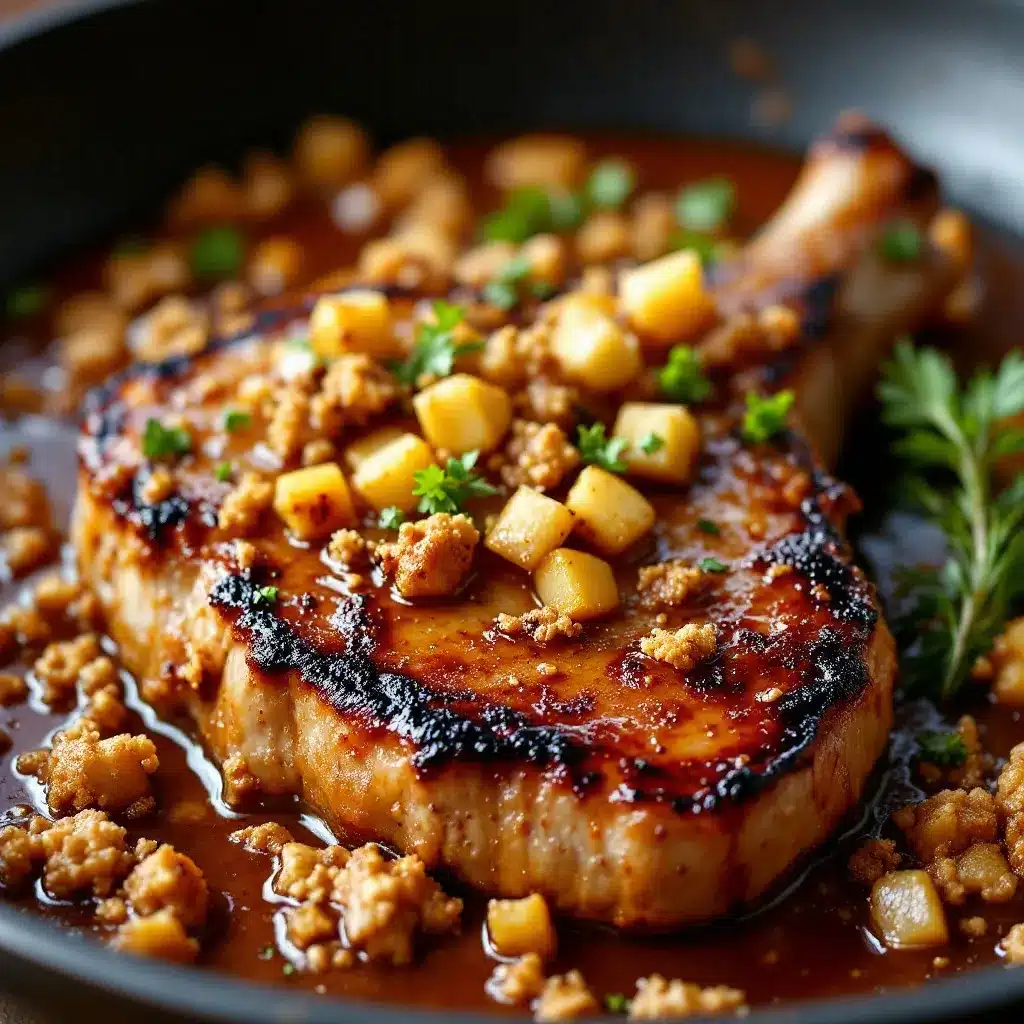
- 1 large shallot, thinly sliced: Shallots are milder than onions and add a subtle sweetness that works perfectly with the apple cider. If you don’t have a shallot, half a small yellow onion will do.
- 2 cloves garlic, minced: Fresh garlic is non-negotiable here. The jarred stuff just won’t give you the same depth of flavor.
- 1½ cups apple cider: Not apple juice—apple cider. The unfiltered, slightly cloudy kind. It has more body and a deeper apple flavor. I like using a local orchard’s cider when it’s in season, but any good quality cider works.
- 1 tablespoon Dijon mustard: This is the secret ingredient that balances the sweetness. It adds a tangy kick and helps thicken the sauce slightly. I prefer Grey Poupon, but any good Dijon works.
- 1 tablespoon apple cider vinegar: A little acidity brightens everything up. Don’t skip this—it’s what makes the sauce sing.
- 1 sprig fresh rosemary: Rosemary and pork are a classic pairing. The piney, slightly floral notes cut through the richness beautifully. If you only have dried, use about 1 teaspoon.
- 2 sprigs fresh thyme: Thyme adds an earthy undertone that rounds out the sweetness of the cider. I’ve made this with just rosemary and it’s still good, but both herbs together are magic.
- 1 bay leaf: Adds a subtle layer of flavor that you won’t notice individually but would miss if it were gone.
For Finishing
- 1 tablespoon cold butter (optional): Swirling in cold butter at the end gives the sauce a silky, glossy finish. It’s not strictly necessary, but it takes the sauce from good to restaurant-quality.
- Fresh parsley, chopped: For garnish and a pop of freshness. Totally optional but nice if you have it.
I’ve made this recipe with boneless pork chops when that’s all I had, and it still works—just reduce the cooking time by about 5 minutes. And if you’re out of fresh herbs, dried rosemary and thyme will get the job done. Just use about a third of the amount called for fresh. The flavor won’t be quite as vibrant, but it’ll still be delicious.
Equipment Needed
You don’t need a fancy kitchen to make these easy apple cider braised pork chops. Here’s what you’ll need:
- A large, heavy-bottomed skillet or Dutch oven: I use a 12-inch cast iron skillet for this recipe. It holds heat beautifully and gives you that perfect sear. A stainless steel pan works great too. Avoid non-stick if you can—it won’t give you the same browning.
- Tongs: For flipping the pork chops and handling the herbs. A good pair of tongs is worth its weight in gold.
- A sharp knife and cutting board: For slicing the shallot and mincing the garlic. A dull knife makes everything harder and more dangerous.
- Measuring cups and spoons: For the cider, vinegar, and seasonings. I keep a set of liquid measuring cups and dry measuring cups, but honestly, I just eyeball the cider most of the time.
- A lid for your skillet: This is crucial for braising. If your skillet doesn’t have a lid, a sheet of aluminum foil tightly crimped around the edges works as a makeshift cover.
If you don’t have a cast iron skillet, don’t stress. A heavy-bottomed stainless steel pan or even an enameled Dutch oven will work beautifully. I’ve made this in a cheap non-stick pan before and it was fine—just didn’t get quite the same depth of browning. You can find decent cast iron skillets for under $30 at most kitchen stores, and they’ll last you a lifetime if you take care of them.
Preparation Method
Let’s get cooking. This whole thing comes together in about 40 minutes, and most of that is hands-off simmering time.
- Take the chill off the pork chops (10 minutes before cooking): Pull the pork chops out of the fridge and let them sit at room temperature for about 10 minutes. This helps them cook more evenly. Pat them dry with paper towels—moisture is the enemy of a good sear.
- Season the pork chops: Sprinkle both sides generously with salt and pepper. Don’t be shy here. I use about ½ teaspoon of salt per chop, but adjust based on your preference and the saltiness of your mustard later.
- Heat your skillet over medium-high heat: Add the olive oil and let it get hot—you want it shimmering but not smoking. If you’re using cast iron, give it a good 3-4 minutes to heat up evenly. A drop of water should sizzle and evaporate immediately when the pan is ready.
- Sear the pork chops: Place the pork chops in the skillet in a single layer. Don’t crowd the pan—if your skillet is small, work in batches. Let them cook undisturbed for 4-5 minutes until the bottom is deep golden brown. Flip and cook for another 3-4 minutes on the second side. The chops won’t be cooked through yet, and that’s okay. They’ll finish in the braising liquid.
- Remove the pork chops and add butter: Transfer the seared chops to a plate and set aside. Reduce the heat to medium and add the tablespoon of butter to the skillet. Let it melt and foam slightly.
- Cook the shallot: Add the sliced shallot to the skillet and cook for 2-3 minutes, stirring occasionally, until softened and translucent. The shallot will pick up all those browned bits from the bottom of the pan. If it starts to stick, add a splash of the cider to loosen things up.
- Add the garlic: Stir in the minced garlic and cook for about 30 seconds until fragrant. Garlic burns fast, so keep it moving.
- Deglaze with apple cider: Pour in the apple cider and use a wooden spoon or spatula to scrape up all the browned bits from the bottom of the pan. This is where so much flavor lives—don’t skip it. Let the cider come to a simmer.
- Add the remaining braising ingredients: Stir in the Dijon mustard, apple cider vinegar, rosemary sprig, thyme sprigs, and bay leaf. Give everything a good stir to combine. The sauce will look thin now, but it will reduce and concentrate as it simmers.
- Return the pork chops to the skillet: Nestle the pork chops back into the liquid. They should be partially submerged—if the liquid doesn’t come up at least halfway, add a splash more cider or a little chicken broth. Bring the liquid to a gentle simmer, then reduce the heat to low.
- Cover and braise: Put the lid on the skillet and let the pork chops cook for 20-25 minutes. The liquid should be at a gentle simmer—small bubbles breaking the surface, not a rolling boil. Check once or twice to make sure the liquid hasn’t reduced too much. If it looks dry, add a splash of water or more cider.
- Check for doneness: After 20 minutes, check the internal temperature of the thickest chop with an instant-read thermometer. You’re looking for 145°F for medium doneness. If they need more time, re-cover and cook for another 5 minutes. If they’re done, move on to the next step.
- Remove the pork chops and finish the sauce: Transfer the cooked pork chops to a clean plate and tent loosely with foil. Remove the herb sprigs and bay leaf from the sauce. Turn the heat up to medium-high and let the sauce simmer for 3-5 minutes until it thickens slightly. You want it to coat the back of a spoon—not too thick, but not watery either.
- Swirl in the finishing butter (optional): Remove the skillet from the heat and swirl in the cold butter until it melts into the sauce. This gives the sauce a beautiful, glossy finish and a velvety texture.
- Serve: Place a pork chop on each plate and spoon the sauce generously over the top. Garnish with fresh parsley if you have it. Serve immediately with your choice of sides.
A few things to watch for: If the sauce tastes too sweet, add another splash of apple cider vinegar or a squeeze of lemon juice. If it’s too tart, a tiny pinch of brown sugar will balance it out. Trust your taste buds—they know what they’re doing.
Cooking Tips & Techniques
I’ve made this recipe probably a dozen times now, and I’ve learned a few things the hard way. Here are my best tips for nailing these easy apple cider braised pork chops every single time:
Don’t skip the sear. I know it’s tempting to just throw everything in the pan and let it simmer, but that initial sear is what gives the pork chops that deep, savory flavor and the sauce its rich color. Take the extra 8 minutes. You’ll thank me later.
Watch your heat during braising. The biggest mistake I made the first time was letting the liquid boil instead of simmer. Boiling makes the pork tough and the sauce cloudy. You want gentle bubbles—the kind that barely break the surface. If you see vigorous bubbling, turn the heat down immediately.
Use an instant-read thermometer. Pork chops are easy to overcook, especially when braising. I used to just guess and hope for the best, and I ended up with dry chops more often than I’d like to admit. A $15 thermometer changed my cooking forever. Pull the chops at 145°F and they’ll be perfectly tender and juicy.
Let the chops rest. I know you’re hungry, but letting the pork chops rest for 5 minutes under foil makes a huge difference. The juices redistribute throughout the meat instead of running out onto your plate. Trust me on this one.
Taste and adjust the sauce. Every batch of apple cider is different—some are sweeter, some more tart. Taste your sauce before serving and adjust accordingly. A little more vinegar if it’s too sweet, a pinch of salt if it’s flat, a pat of butter if it needs richness. Cooking is about adjusting as you go.
Make it ahead if you want. These pork chops actually taste even better the next day. The flavors meld together overnight in the fridge. Just reheat gently on the stovetop or in a low oven. If you’re meal prepping, this is a great candidate.
Variations & Adaptations
One of the things I love about this recipe is how flexible it is. Here are some variations I’ve tried and loved:
Apple Cider Braised Pork Chops with Onions and Apples: Add one thinly sliced onion along with the shallot, and throw in a diced apple (Honeycrisp or Fuji work great) when you add the cider. The apple softens and adds little pockets of sweetness throughout the sauce. This is my favorite fall variation.
Slow Cooker Version: Sear the pork chops and cook the shallot and garlic on the stovetop, then transfer everything to a slow cooker. Cook on low for 6-7 hours or on high for 3-4 hours. The sauce will be thinner, so you might want to thicken it with a cornstarch slurry (1 tablespoon cornstarch mixed with 2 tablespoons cold water) stirred in during the last 30 minutes.
Dairy-Free Adaptation: Skip the butter at the end and use olive oil for searing. The sauce will still be delicious—just not quite as silky. You can also use a dairy-free butter substitute if you prefer.
Gluten-Free: This recipe is naturally gluten-free as written. Just make sure your Dijon mustard doesn’t contain any wheat-based ingredients (most don’t, but it’s worth checking).
Herb Swaps: If you don’t have rosemary and thyme, try sage or even a pinch of dried oregano. Pork plays well with a lot of herbs. I’ve made this with just fresh sage before and it was lovely—more earthy and slightly peppery.
Spicy Version: Add a pinch of red pepper flakes along with the garlic, or stir in a teaspoon of whole grain mustard for extra texture and heat. The spice cuts through the sweetness beautifully.
If you love one-pan dinners as much as I do, you should definitely check out this easy lemon garlic chicken sheet pan dinner for another weeknight winner. And if you’re in the mood for something cozy and fall-flavored, these apple cider donut muffins with cinnamon sugar make the perfect dessert to follow this meal.
Serving & Storage Suggestions
These easy apple cider braised pork chops are incredibly versatile when it comes to serving. Here’s how I like to enjoy them:
Serving Temperature and Presentation: Serve the pork chops hot, straight from the skillet. Spoon the sauce generously over each chop—don’t be shy with it. A sprinkle of fresh parsley or even a few fresh thyme leaves adds a nice pop of color. I like to serve the chops on a bed of something that can soak up all that gorgeous sauce.
What to Serve With Them: The sauce is the star here, so you want sides that can catch every drop. Mashed potatoes are my go-to—they’re basically a delivery system for that apple cider sauce. Egg noodles are a close second, especially if you toss them with a little butter and parsley. Roasted vegetables like Brussels sprouts, carrots, or green beans work beautifully too. And if you’re watching carbs, cauliflower mash or roasted broccoli are excellent options.
Storage Instructions: Store leftover pork chops and sauce in an airtight container in the refrigerator for up to 4 days. The flavors actually get better as they sit—the pork absorbs more of the sauce and everything melds together beautifully.
Freezing: These pork chops freeze well for up to 3 months. Let them cool completely, then transfer to a freezer-safe container or bag. To reheat, thaw overnight in the refrigerator and warm gently on the stovetop over low heat. Add a splash of chicken broth or water if the sauce has thickened too much.
Reheating Tips: The best way to reheat is on the stovetop over low heat, covered, for about 5-7 minutes. Add a splash of liquid if needed. You can also reheat in a 350°F oven for about 10 minutes, covered with foil. Avoid the microwave if you can—it tends to make the pork tough and the sauce separates.
How Flavors Develop Over Time: This is one of those dishes that’s even better the next day. The pork absorbs more of the sweet-tangy sauce, and the herbs have time to really infuse everything. I often make a double batch just so I can have leftovers for lunch.
Nutritional Information & Benefits
Here’s a rough estimate of the nutritional content per serving (based on 4 servings, not including sides):
| Nutrient | Amount Per Serving |
|---|---|
| Calories | 380 |
| Protein | 35g |
| Fat | 18g |
| Saturated Fat | 7g |
| Carbohydrates | 15g |
| Fiber | 0g |
| Sugar | 12g |
| Sodium | 680mg |
Pork chops are an excellent source of high-quality protein, which is essential for muscle repair and keeping you full and satisfied. They’re also rich in B vitamins, particularly B12 and B6, which support energy metabolism and brain function. Apple cider provides antioxidants and a natural sweetness that helps you use less added sugar in the sauce. And the herbs—rosemary and thyme—are packed with anti-inflammatory compounds.
This recipe is naturally gluten-free and can be made dairy-free with a simple swap. It’s also relatively low in carbohydrates compared to many comfort food dishes, making it a good option if you’re watching your carb intake. The protein and healthy fats from the pork will keep you satisfied for hours.
If you’re looking for more high-protein meal ideas, this easy high-protein mug mac and cheese is another great option for when you need something quick and satisfying.
Conclusion
These easy apple cider braised pork chops have become a staple in my kitchen for good reason. They’re simple enough for a Tuesday night but impressive enough for company. The sweet-tangy sauce, the tender pork, the way the whole house smells while it’s cooking—it’s everything I want in a fall dinner.
What I love most about this recipe is how forgiving it is. You don’t need to be a professional chef to pull it off. Just follow the steps, trust the process, and don’t be afraid to taste and adjust as you go. Cooking should feel like an adventure, not a test.
I’d love to hear how these turn out for you. Did you try any variations? Serve them with something unexpected? Leave a comment below and let me know—I read every single one. And if you share a photo on social media, tag me so I can see your beautiful creation. Happy cooking, friends!
Frequently Asked Questions
Can I use boneless pork chops for this recipe?
Yes, you can! Boneless pork chops work fine, but they cook faster and can dry out more easily. Reduce the braising time to about 15-18 minutes and check the internal temperature early. Bone-in chops are more forgiving and have more flavor, but boneless will still be delicious.
What if I don’t have apple cider? Can I use apple juice?
You can use apple juice in a pinch, but the flavor won’t be as deep or complex. Apple juice is thinner and sweeter than cider, so you might want to add an extra splash of apple cider vinegar to balance the sweetness. If you have neither, try using chicken broth with a tablespoon of honey or brown sugar stirred in.
Can I make this recipe in a slow cooker?
Absolutely! Sear the pork chops and cook the shallot and garlic on the stovetop first, then transfer everything to a slow cooker. Cook on low for 6-7 hours or on high for 3-4 hours. The sauce will be thinner, so you can thicken it with a cornstarch slurry at the end if you prefer a thicker sauce.
How do I know when the pork chops are done?
The most reliable way is to use an instant-read thermometer. Insert it into the thickest part of the chop without touching the bone. You’re looking for 145°F for medium doneness. If you don’t have a thermometer, the meat should be firm to the touch but not hard, and the juices should run clear when you cut into it.
What can I use instead of shallot?
If you don’t have a shallot, half a small yellow onion, finely chopped, works perfectly. You could also use a leek (white and light green parts only) for a milder flavor. Red onion will work too, but it will give the sauce a slightly different color and a bit more sharpness.
Pin This Recipe!

Easy One-Pan Apple Cider Braised Pork Chops
Tender, fork-tender pork chops braised in a sweet and tangy apple cider sauce with shallots, garlic, and fresh herbs. A simple one-pan dinner that’s perfect for fall and any time of year.
- Prep Time: 10 minutes
- Cook Time: 30 minutes
- Total Time: 40 minutes
- Yield: 4 servings 1x
- Category: Main Course
- Cuisine: American
Ingredients
- 4 bone-in pork chops (about 1-inch thick)
- 1 tablespoon olive oil
- 1 teaspoon kosher salt
- ½ teaspoon freshly ground black pepper
- 1 tablespoon unsalted butter
- 1 large shallot, thinly sliced
- 2 cloves garlic, minced
- 1½ cups apple cider (unfiltered)
- 1 tablespoon Dijon mustard
- 1 tablespoon apple cider vinegar
- 1 sprig fresh rosemary
- 2 sprigs fresh thyme
- 1 bay leaf
- 1 tablespoon cold butter (optional, for finishing)
- Fresh parsley, chopped (for garnish)
Instructions
- Take the chill off the pork chops: Pull the pork chops out of the fridge and let them sit at room temperature for about 10 minutes. Pat them dry with paper towels.
- Season the pork chops: Sprinkle both sides generously with salt and pepper.
- Heat your skillet over medium-high heat: Add the olive oil and let it get hot until shimmering but not smoking.
- Sear the pork chops: Place the pork chops in the skillet in a single layer. Cook undisturbed for 4-5 minutes until deep golden brown. Flip and cook for another 3-4 minutes. Transfer to a plate and set aside.
- Add butter: Reduce heat to medium and add the tablespoon of butter. Let it melt and foam slightly.
- Cook the shallot: Add the sliced shallot and cook for 2-3 minutes, stirring occasionally, until softened and translucent.
- Add the garlic: Stir in the minced garlic and cook for about 30 seconds until fragrant.
- Deglaze with apple cider: Pour in the apple cider and use a wooden spoon to scrape up all the browned bits from the bottom of the pan. Let the cider come to a simmer.
- Add the remaining braising ingredients: Stir in the Dijon mustard, apple cider vinegar, rosemary sprig, thyme sprigs, and bay leaf.
- Return the pork chops to the skillet: Nestle the pork chops back into the liquid. Bring to a gentle simmer, then reduce heat to low.
- Cover and braise: Put the lid on the skillet and cook for 20-25 minutes at a gentle simmer.
- Check for doneness: After 20 minutes, check the internal temperature of the thickest chop with an instant-read thermometer. You’re looking for 145°F for medium doneness. If needed, cook for another 5 minutes.
- Remove the pork chops and finish the sauce: Transfer the cooked pork chops to a clean plate and tent loosely with foil. Remove the herb sprigs and bay leaf from the sauce. Turn heat to medium-high and let the sauce simmer for 3-5 minutes until it thickens slightly.
- Swirl in the finishing butter (optional): Remove the skillet from the heat and swirl in the cold butter until it melts into the sauce.
- Serve: Place a pork chop on each plate and spoon the sauce generously over the top. Garnish with fresh parsley if desired.
Notes
Don’t skip the sear—it adds deep flavor. Watch your heat during braising; gentle simmer, not a boil. Use an instant-read thermometer for perfect doneness (145°F). Let the chops rest for 5 minutes before serving. Taste and adjust the sauce: add more vinegar if too sweet, a pinch of salt if flat, or a pat of butter for richness. This dish tastes even better the next day.
Nutrition
- Serving Size: 1 pork chop with sau
- Calories: 380
- Sugar: 12
- Sodium: 680
- Fat: 18
- Saturated Fat: 7
- Carbohydrates: 15
- Protein: 35
Keywords: apple cider pork chops, braised pork chops, one-pan dinner, fall dinner, easy pork chop recipe, apple cider recipe